SIR was said to weed out foreign voters; but found just 1,600 across six states
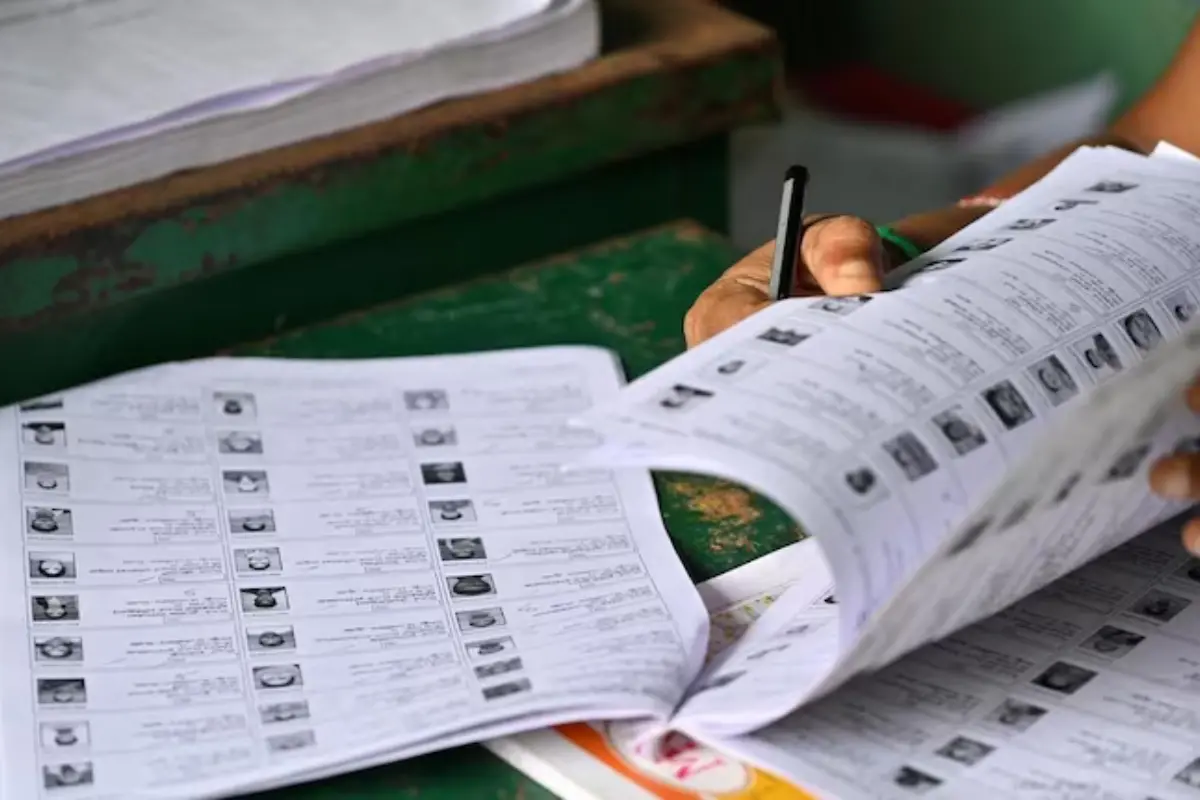
New Delhi: The Special Intensive Revision (SIR) of electoral rolls has been presented by the Election Commission of India (ECI) as a measure to improve the accuracy of voter lists, including by identifying foreign nationals who may have been enrolled as voters. However, data reported by Hindustan Times indicates that around 1,600 suspected foreign nationals were identified in six states with a combined electorate of approximately 98.6 million.
The findings raise questions about how consistently this aspect of the exercise has been tracked across states. According to the report, several state election offices either did not maintain separate figures or had not collected the information. The ECI also said it had not asked states to provide separate data on suspected foreign nationals.
What the data shows
Karnataka accounted for 716 suspected foreign nationals identified for removal, according to an official from the state Chief Electoral Officer’s office. The state had deleted approximately 9.97 million names from its final electoral rolls during the revision. The report also cited detections in districts including Dakshina Kannada and Udupi.
In Kerala, officials reported around 500 people who held foreign citizenship but remained on electoral rolls. Goa reported 419 suspected foreign passport holders. Jharkhand identified three foreign nationals, all reportedly from Afghanistan, while Meghalaya reported two men of Nepalese origin who were removed from the rolls. Mizoram reported no such cases.
The figures vary by state and are based on information provided to Hindustan Times. They should not be treated as a comprehensive national total because several states did not maintain or provide separate data.
Several states did not track the figures
The report said election officials in Punjab, Delhi, Uttarakhand and Telangana did not maintain separate data on suspected foreign nationals. Odisha reported that it had found suspected cases but had not recorded a specific number.
A senior ECI official told media that states had not been asked to collect this information separately. The official said any such cases were placed under the “Others” category in the ASDDO classification.
The absence of standardised data collection makes it difficult to compare findings across states or determine how many suspected foreign nationals were identified through the exercise nationwide.
Why the SIR exercise was launched
On June 24, 2025, the ECI announced the start of SIR in Bihar. It cited rapid urbanisation, migration, newly eligible voters, unreported deaths and the inclusion of foreign nationals among the reasons for undertaking an intensive revision.
The exercise involves reviewing electoral rolls to remove ineligible entries and ensure that eligible voters are correctly registered. However, identifying a suspected foreign national and establishing that a person is legally ineligible to vote are distinct steps that require verification under applicable rules.
What the figures do and do not establish
The reported figures highlight a gap in publicly available, comparable data on one of the stated aims of the SIR exercise. With around 1,600 suspected foreign nationals identified in six states with a combined electorate of 98.6 million, the reported detections represent a small number relative to the electorate covered by those states.
However, the figures alone do not establish the total number of foreign nationals on electoral rolls across India. Several states did not separately record or disclose the data, and the six-state figure is therefore not a complete national count.
The findings also do not establish that all electoral deletions were linked to suspected foreign nationals. Electoral rolls can be revised for several reasons, including deaths, migration, duplicate entries and other eligibility issues.
A standardised reporting system could help the ECI publish comparable state-wise figures, explain the basis for suspected cases and distinguish allegations from cases confirmed after verification. Such information would make it easier for the public to assess the outcomes of the exercise against its stated objectives.