Samosa alert: Government orders schools, offices to tell public how sugary their snacks indeed are
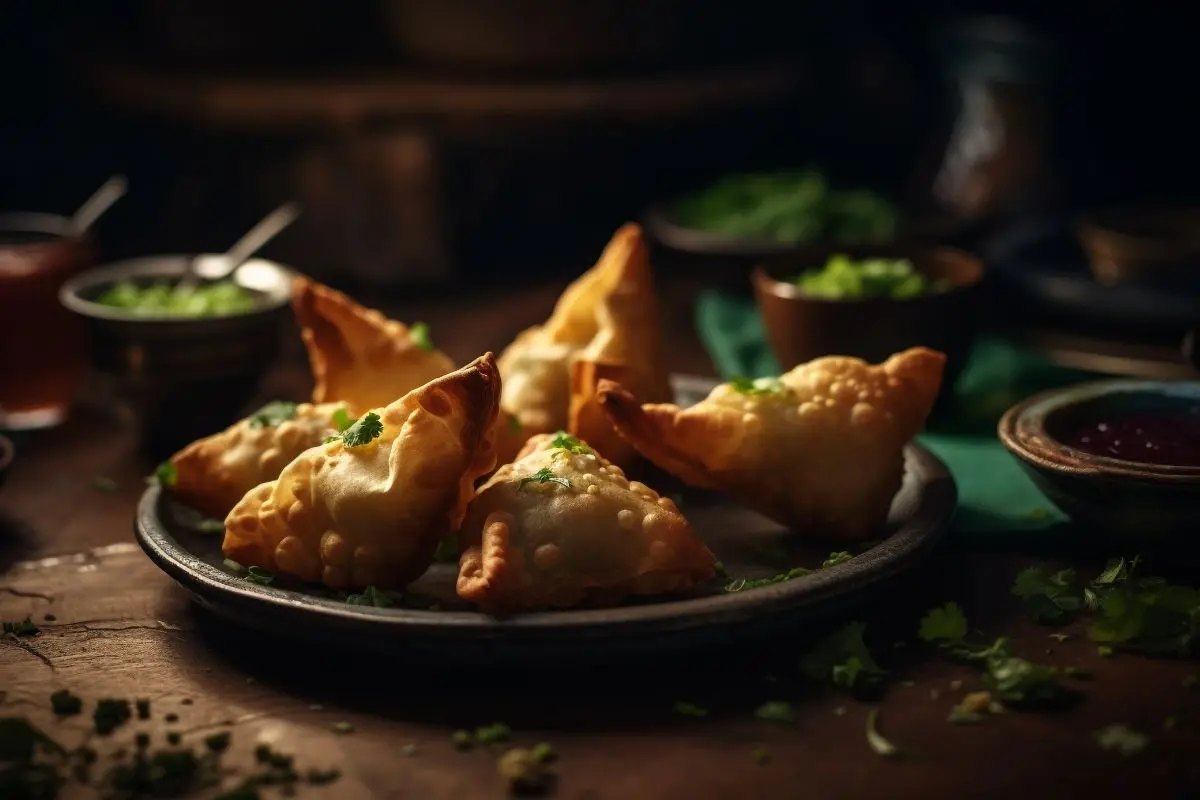
With waistlines growing and lifestyle diseases surging, the Union Health Ministry wants a bold new move: schools, offices, and public canteens must now shame their samosas and colas — by publicly displaying how much sugar and fat they pack.
A letter from Union Health Secretary Puniya Salila Shrivastava to all ministries and departments lays out the plan to install “Sugar and Oil Boards.” These colourful boards, designed by India’s food regulator, aim to nudge people away from greasy and syrupy temptations lurking in canteens.
What will these boards say?
Fat facts: Limit daily fat intake to 27–30 grams. The boards will show fat-rich Indian favourites like samosa, kachori, and vada pav with exact fat counts.
Sweet shockers: Adults shouldn’t have more than 25 grams of sugar daily (about 5 teaspoons), and kids no more than 20 grams. The boards will list how many spoonfuls of sugar are hidden inside gulab jamuns, soft drinks, chocolates, and packaged juices.
Hidden villains: Warnings that honey, jaggery, brown sugar, maple syrup, and date syrup are just as bad. Plus, sugar’s sneaky aliases like sucralose, mannitol, and xylitol.
Some boards will even update daily to list the sugar content of items being served in the canteen that day.
The campaign draws on fresh guidelines from ICMR’s National Institute of Nutrition, which says added sugar — whether loose sugar, honey, or syrup — should ideally be eliminated, as it only adds empty calories. Natural sugars in fruits and dairy aren’t harmful, but even those need moderation.
Why the urgent push? The Global Burden of Disease study warns that overweight and obese adults in India could balloon from 18 crores in 2021 to nearly 45 crores by 2050, making India the world’s #2 obesity hotspot. Worse, Indians often carry abdominal fat deep inside around organs, which spikes the risk for diabetes, hypertension, heart attacks, and strokes even at lower BMIs.