‘Why only girls?’CM Rekha Gupta calls for boys to be taught respect amid Delhi safety concerns
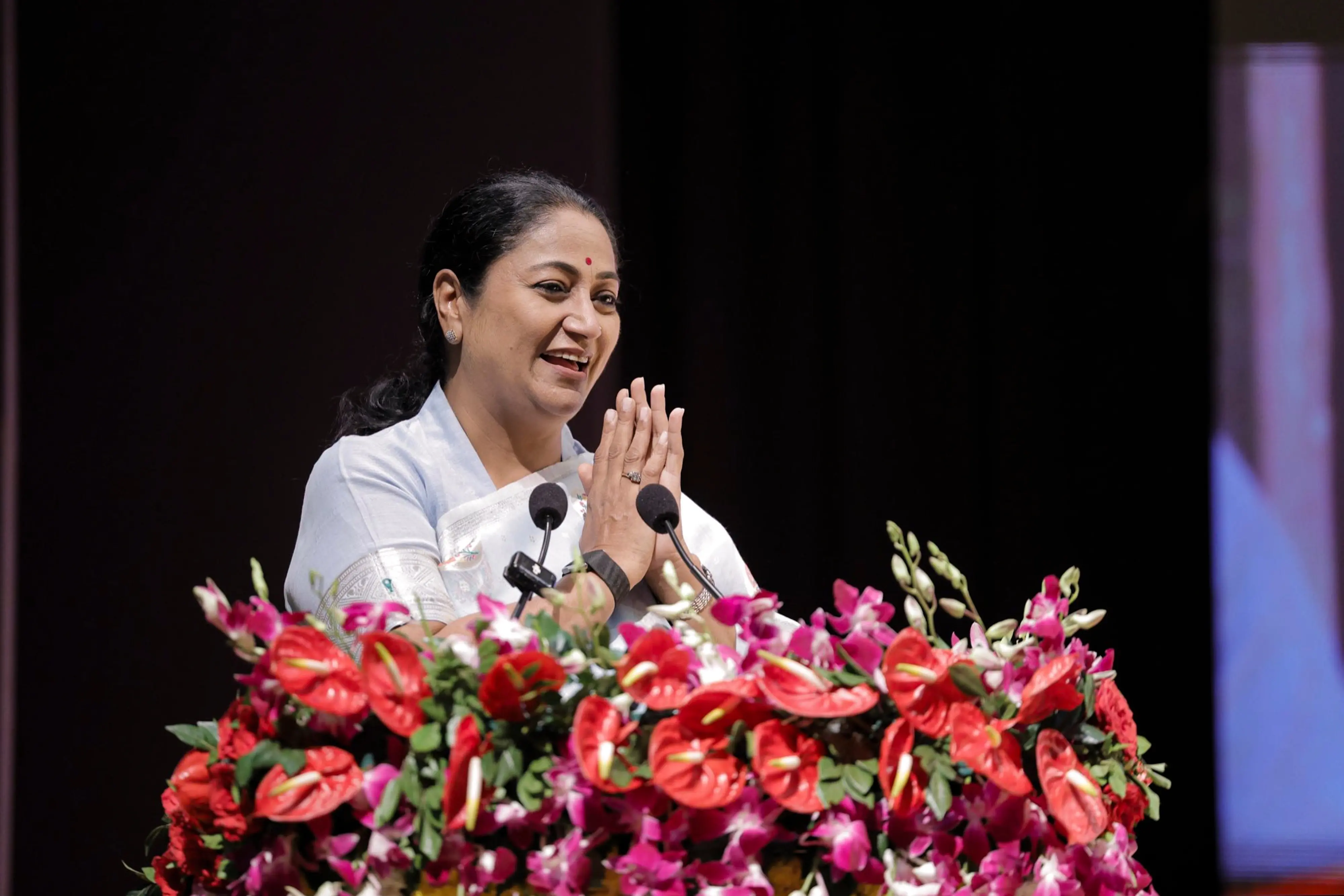
New Delhi: Delhi Chief Minister Rekha Gupta on Wednesday said women’s safety should not be addressed by placing restrictions on girls, and called for greater attention to the behaviour and upbringing of boys.
Her remarks came amid renewed concerns over sexual violence in Delhi-NCR and days after the Supreme Court took suo motu cognisance of recent cases.
What did Rekha Gupta say?
Speaking at the diamond jubilee celebrations of Maitreyi College in Delhi, Gupta said families and society often respond to concerns about women’s safety by imposing restrictions on girls.
She questioned why such restrictions should fall primarily on girls and called for greater focus on boys and men.
Gupta said men should be taught appropriate behaviour and respect for women, stressing that “no means no”. She also said women should be able to travel and move around the city without fear.
“There is no compromise on this in Delhi. It is not solely the girls’ responsibility to take care of everything. Everyone has to do their part,” Gupta said.
She also urged women to speak up against wrongdoing and said society and institutions should support those who raise their voices.
What did she say about police and courts?
Gupta said ensuring women’s safety also required action from the police and administration.
She called for security gaps to be identified and addressed, including through better lighting, CCTV cameras and additional security personnel at vulnerable locations.
She also called for cases involving women and girls to be expedited by the judiciary so that victims can receive justice without unnecessary delays.
Her comments come as the Supreme Court examines recent sexual assault cases in Delhi-NCR and has raised questions about public safety and institutional accountability.
Why are the remarks significant now?
Gupta’s comments came amid investigations into an alleged gang rape of a minor at Aastha Kunj Park near Kalkaji Temple in Delhi.
The case is among the recent incidents that prompted the Supreme Court to take suo motu cognisance of sexual offences involving women and minors in Delhi-NCR.
On September 28, the Supreme Court said recent incidents raised serious concerns about the safety of public spaces and highlighted what it described as a failure of law enforcement and public administrative authorities to guarantee basic public safety.
The court also said places such as parks and buses cannot become “zones of high risk” because of inadequate lighting, surveillance or other administrative shortcomings.
What is the Supreme Court examining?
The Supreme Court has initiated suo motu proceedings following reports of sexual offences in Delhi-NCR.
The court is examining broader questions around the safety of women and children in public spaces and the responsibility of authorities to prevent such incidents.
It has called for accountability and measures addressing issues such as surveillance, lighting and policing rather than relying only on expressions of concern after crimes occur.
What did Gupta say about girls’ freedom?
Gupta said girls and women should not have their movement or activities curtailed in the name of safety.
She encouraged students to prioritise their education and careers and take leadership roles. She also urged women to speak out when they face wrongdoing.
Her broader message was that responsibility for preventing sexual harassment and violence should not be placed solely on women and girls.
The latest discussion in Delhi combines two distinct but connected issues: preventing harmful behaviour and ensuring institutional safety.
Gupta’s remarks focus on social behaviour, the upbringing of boys and men’s responsibility to respect women. At the same time, the Supreme Court’s recent proceedings have focused heavily on the responsibilities of police and public authorities, including lighting, surveillance, patrolling and accountability in public spaces.
Together, these developments highlight that women’s safety involves both individual conduct and institutional measures. Gupta has called for restrictions on girls to be avoided, while the Supreme Court has sought measurable action from authorities responsible for public safety.