Every rise in oil prices could hit India's economy, RBI warns
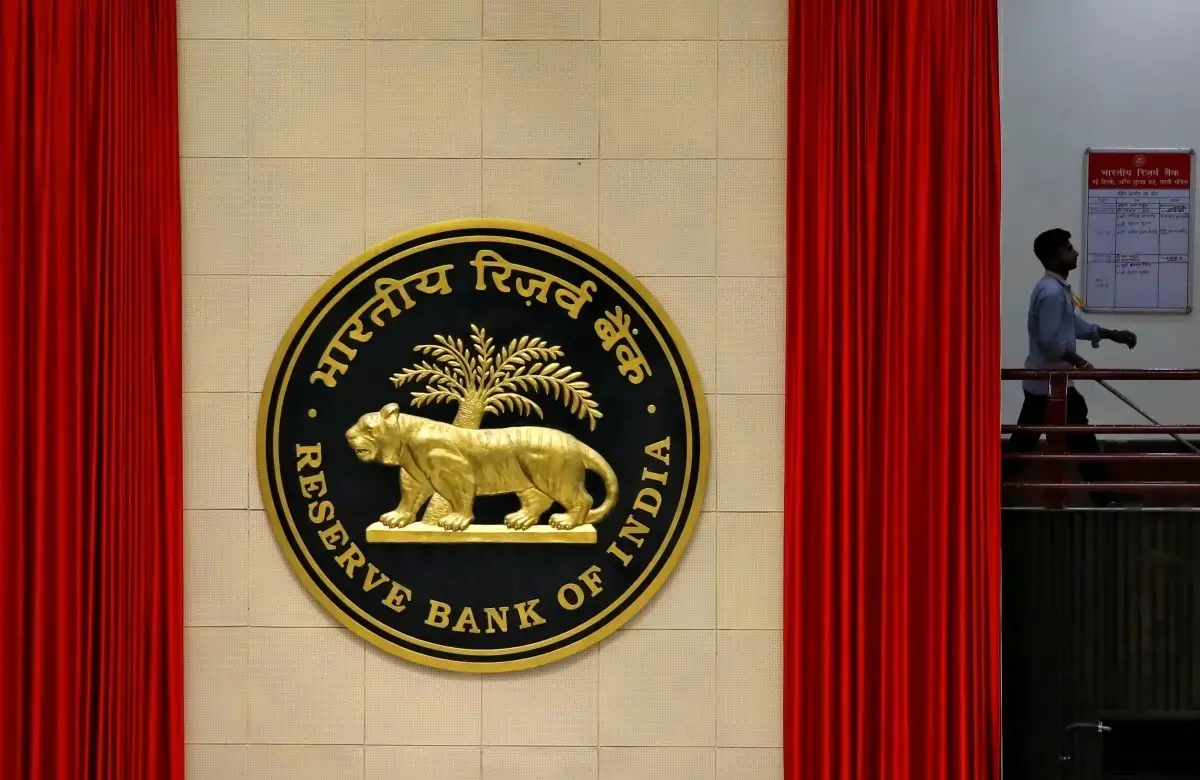
The RBI has warned that India's economy remains exposed to oil price shocks and supply-chain disruptions as geopolitical tensions in West Asia continue to create global financial uncertainty.
The Reserve Bank of India (RBI), in its latest Financial Stability Report, said India's economy remains vulnerable to energy price shocks because of its heavy reliance on imported crude oil and other key commodities. Although India's macroeconomic fundamentals remain strong, the central bank cautioned that prolonged geopolitical tensions could affect growth, inflation and financial markets.
West Asia conflict raises financial risks
According to the RBI, the ongoing conflict in West Asia has increased uncertainty across global markets and affected emerging economies like India through financial channels. The report noted that geopolitical tensions have put pressure on exchange rates, government bond yields and capital flows while increasing the risk of supply-chain disruptions.
The RBI said the Indian rupee came under depreciation pressure due to weaker capital inflows and higher hedging demand from importers and investors. Rising energy prices also pushed up long-term government bond yields despite continued fiscal consolidation by the government. The report added that recent easing in geopolitical tensions and policy measures have helped reduce some of this pressure.
Banking sector remains resilient
Despite external risks, the RBI said India's banking system remains well-capitalised with strong liquidity buffers and multi-decade low levels of non-performing assets (NPAs). The report also highlighted healthy performance by non-banking financial companies (NBFCs), indicating that the country's financial system is well-equipped to absorb external shocks.
AI-powered cyber threats emerge as new concern
Apart from geopolitical risks, the RBI also highlighted artificial intelligence-enabled cyberattacks as a growing threat to financial stability. The central bank warned that rapid technological changes alongside global conflicts require stronger cybersecurity measures to safeguard India's banking and financial infrastructure.
The report said India continues to be the world's fastest-growing major economy, supported by robust domestic demand and inflation remaining within the RBI's target range. However, it cautioned that fresh spikes in oil prices, supply-chain disruptions or a correction in global AI-related stocks could create new challenges for financial markets and the broader economy.