Ratnagiri records 63 pc voter turnout in Maharashtra Assembly polls
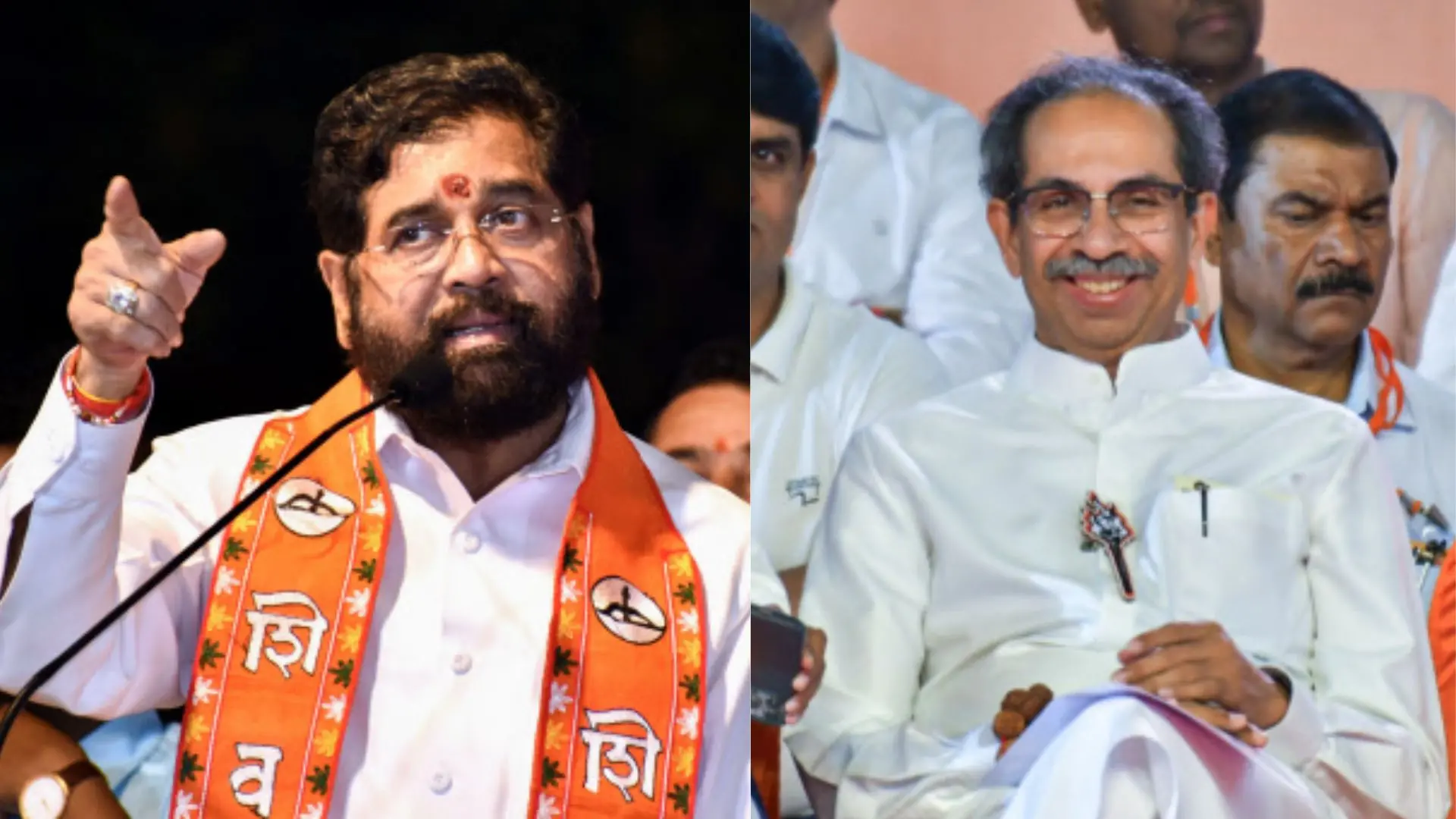
The Maharashtra Assembly elections saw an estimated 65% voter turnout on Wednesday, with the Ratnagiri constituency recording a 63% participation rate. As the BJP-led Mahayuti alliance strives to retain power, the opposition Maha Vikas Aghadi (MVA) coalition hopes to build on its success ahead of the 2024 Lok Sabha elections.
Ratnagiri, located in coastal Maharashtra, is part of the Ratnagiri-Sindhudurg Lok Sabha constituency and falls under the general category in the Maharashtra Legislative Assembly. The constituency, which blends urban and rural populations, is known for its thriving cashew and mango plantations, as well as its picturesque coastal villages. With a diverse electorate, Ratnagiri remains a key battleground for both ruling and opposition parties.
Candidates in the fray
The 2024 election sees a direct face-off between the two factions of the Shiv Sena, which were united in the previous election.
Uday Ravindra Samant (Shiv Sena, led by Eknath Shinde) – The current MLA and a prominent leader from the region, Samant is seeking re-election as part of the Mahayuti alliance (BJP, Shiv Sena led by Eknath Shinde, and other smaller allies).
Bal Mane (Shiv Sena, led by Uddhav Thackeray) – A former MLA and former BJP leader, Mane is contesting from the Uddhav Thackeray-led Shiv Sena faction.
Bharat Sitaram Pawar (BSP) – A candidate from the Bahujan Samaj Party (BSP), representing the smaller party in the contest.
Independent Candidates – There are 5 other independent candidates, though they are seen as less likely to win due to the strong political divide between the Shiv Sena factions.
Local issues:
One of the most contentious issues in Ratnagiri has been the refinery project proposed by the Maharashtra government. The project, set to be built in the Barsu village area, has sparked strong protests. While supporters of the refinery argue that it will create jobs and stimulate economic growth, opponents fear the government will forcibly acquire land in the region.
The protests have been significant in villages like Barsu, Shivne and Goval, where large-scale land acquisition is planned. The region is known for its agriculture, including cashew and mango plantations, and locals are worried about losing their land to the project.
This issue is further complicated by the proposed Jaitapur Nuclear Power Plan, located not far from Ratnagiri. The Jaitapur project has already witnessed protests in the past, and the possibility of additional industrial projects in the area has only fueled local discontent. The ongoing protests have also brought attention to the area's lack of development, which many locals believe has led to migration and economic hardships.
Electorate size:
Maharashtra, with over 9.7 crore eligible voters, is preparing for the assembly elections. Among these voters are 47,392 centenarians, with the oldest being 109 years old, according to data shared by the Election Commission. Additionally, there are 22,22,704 voters in the 18-19 age group, highlighting a significant young voter base in the state.
In total, Maharashtra has 9,70,25,119 registered voters: 5,00,22,739 men, 4,69,96,279 women, and 6,101 voters from the third gender.
Previous election results:
In the 2019 Maharashtra Assembly Elections, Uday Ravindra Samant of the undivided Shiv Sena won the seat with a huge margin of 87,335 votes. He secured 1,18,484 votes, which was a remarkable 72.66% of the total vote share. His opponent, Sudesh Sadanand Mayekar of the NCP, received only 31,149 votes (19.1%). The remaining votes were divided between other smaller parties, with Damodar Shivram Kamble of the Vanchit Bahujan Aghadi receiving 4,621 votes (2.83%).
Number of voting booths:
The state has set up a total of 1,00,186 polling stations across the state. There are 52,789 polling locations, with 42,604 urban booths and 57,582 rural booths. Special provisions have also been made, including 299 polling booths managed by persons with disabilities and 388 polling booths that will be managed entirely by women, known as pink booths. Additionally, 530 model polling stations have been established to set a standard for voter experience.