‘Cruel, shortsighted, and step back from humane policy’: Rahul Gandhi slams SC order on stray dogs
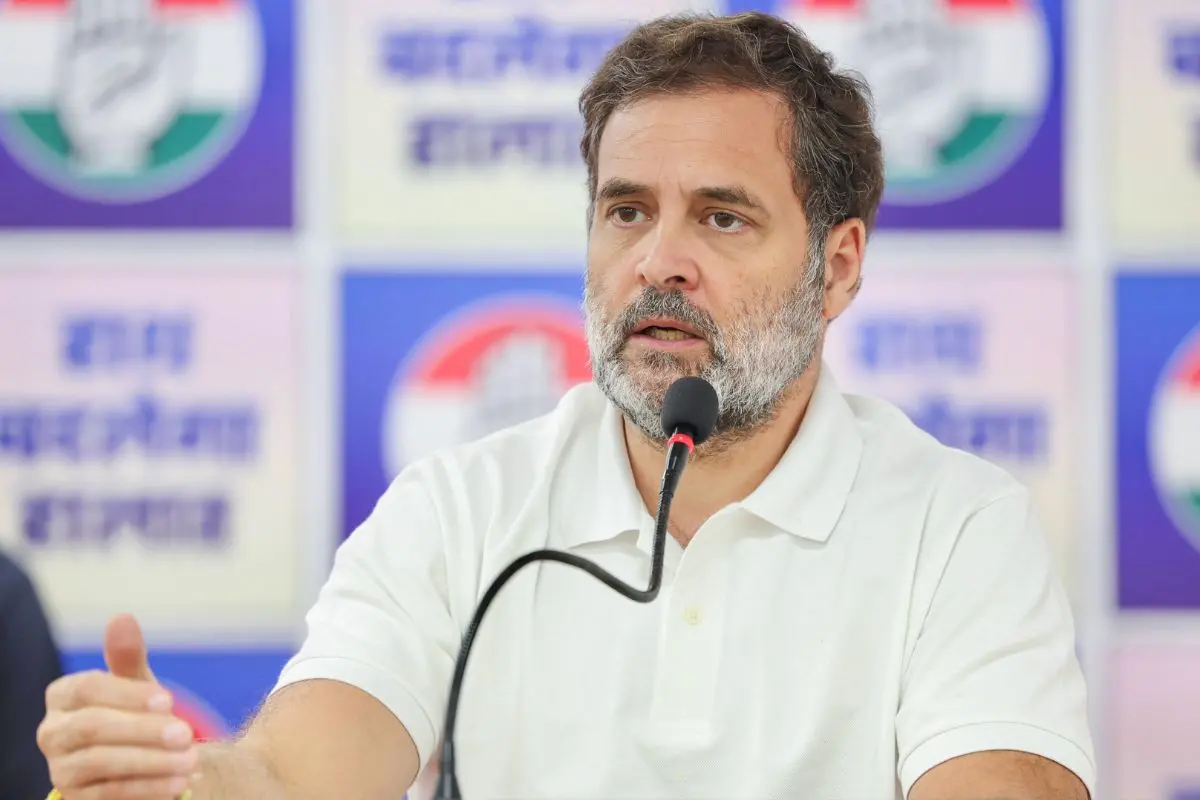
New Delhi: Leader of Opposition Rahul Gandhi on Tuesday criticised the Supreme Court’s directive ordering the removal of all stray dogs from Delhi-NCR, calling it a regressive move that undermines years of humane and science-backed policy.
“These voiceless souls are not ‘problems’ to be erased. Shelters, sterilisation, vaccination & community care can keep streets safe – without cruelty,” Gandhi wrote in a post on X.
“Blanket removals are cruel, shortsighted, and strip us of compassion. We can ensure public safety and animal welfare go hand in hand,” he added, opposing the court’s decision.
On Monday, the Supreme Court ordered authorities in Delhi, Noida, Gurugram, and Ghaziabad to begin removing stray dogs from all localities and relocating them to shelters. The move, made in response to rising dog bite incidents, has sparked significant backlash from animal rights groups.
Several organisations staged a protest near India Gate in Delhi, condemning the court order. Protesters were detained by police during the demonstration.
“They don’t want us to talk. These people are throwing everyone into jail. I am being detained because I do the noble work of feeding animals,” said one dog caregiver while being detained.
PETA India also voiced strong objections to the court's ruling. Shaurya Agrawal, PETA India’s Advocacy Associate, said the directive is both “impractical and illogical.”
“This particular order is impractical, illogical and according to the animal birth control rules, also illegal. The Delhi government had 24 years to implement these sterilisation programs, implement the ABC rules. Delhi has 10 lakh dogs and only half of them are sterilised. Housing them in shelters is impractical. It is very difficult. This is going to create chaos and more problems,” Agrawal said in a statement to ANI.
He further described the mass removal of dogs as inhumane and cruel: “Removal of dogs is inhumane, is cruelty in itself, and the conditions within the shelters are going to be very bad... We are exploring all our legal avenues.”
The court’s directive requires local civic bodies to create shelter capacity for at least 5,000 dogs within six to eight weeks, with proper staff, sterilisation facilities, vaccination, CCTV monitoring, and scalability for future expansion. However, critics argue the infrastructure and resources required for such an operation do not currently exist.