PM Modi to visit flood-hit Punjab: Will review damage, relief efforts in Gurdaspur
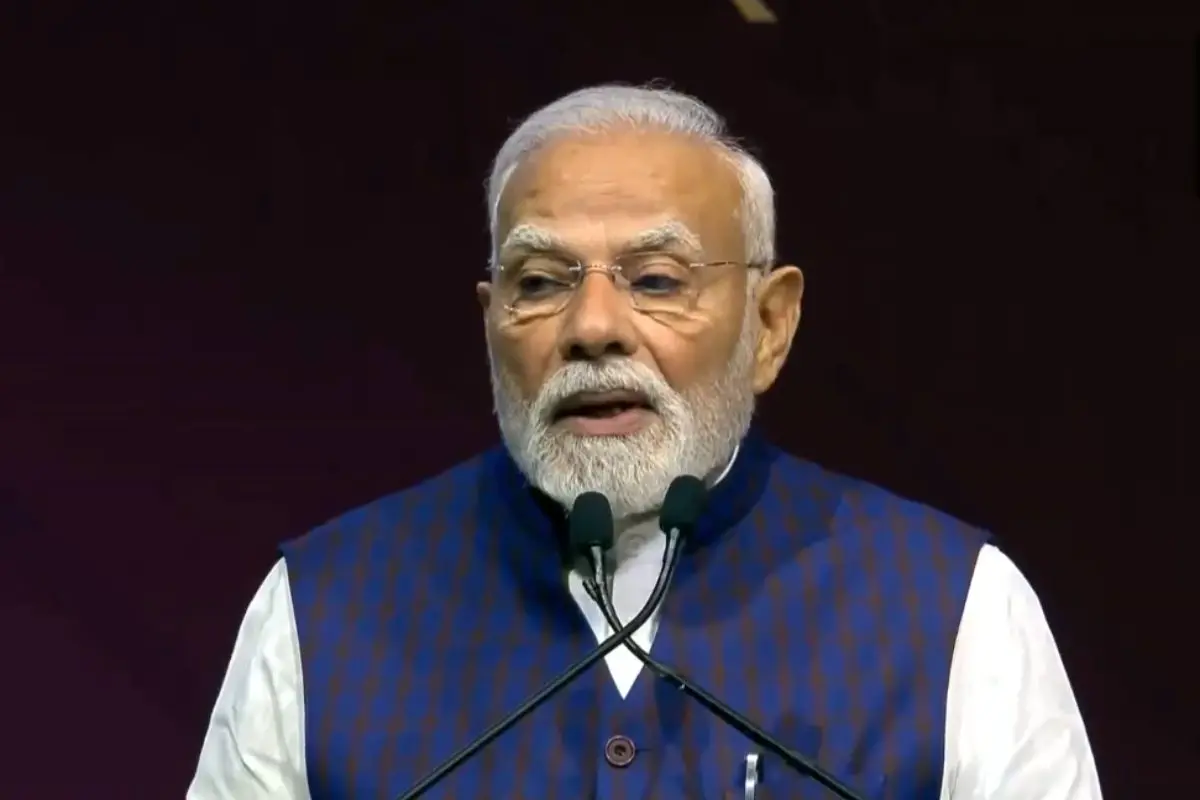
Gurdaspur: Prime Minister Narendra Modi is scheduled to visit the flood-affected areas of Punjab, specifically the Gurdaspur district, on September 9. The visit aims to provide a first-hand assessment of the flood damage, review rescue and relief efforts, and meet with flood-impacted families and farmers to understand their concerns.
The Punjab BJP officially announced the visit on its X handle, stating that Modi will directly engage with affected citizens and take every possible step to assist them. The party emphasised that the Prime Minister’s visit demonstrates the central government’s commitment to stand with Punjab during this difficult period.
Punjab is facing one of its worst flood crises in decades, triggered by heavy rains in the catchment areas of the Sutlej, Beas, and Ravi rivers, along with recent local rainfall. The floods have damaged crops over 1.75 lakh hectares, affected nearly 2,000 villages, and displaced more than four lakh people. The death toll currently stands at 46.
Punjab BJP chief Sunil Jakhar conveyed in a post on X that Modi is deeply concerned about the situation and closely monitoring developments. He will personally assess the ground realities during the visit to facilitate maximum assistance. Earlier, Union Agriculture Minister Shivraj Singh Chouhan evaluated the devastation and termed the situation a “deluge.” Central government teams have conducted damage assessments and will provide reports to guide relief measures.
Punjab Finance Minister Harpal Singh Cheema stated that 24 teams of the National Disaster Response Force (NDRF) and two State Disaster Response Force (SDRF) teams are working on rescue operations, supported by 144 boats and a state government helicopter. The Revenue Department has released Rs 71 crore for ongoing relief efforts.
The Prime Minister’s visit is expected to include an aerial survey of affected areas and meetings with state officials to strategise both immediate relief and long-term flood management.
With inputs from ANI