Rs 500 crore loss, 300 workers idle: What’s Old Monk’s battle with FSSAI over ‘rum-like’ label
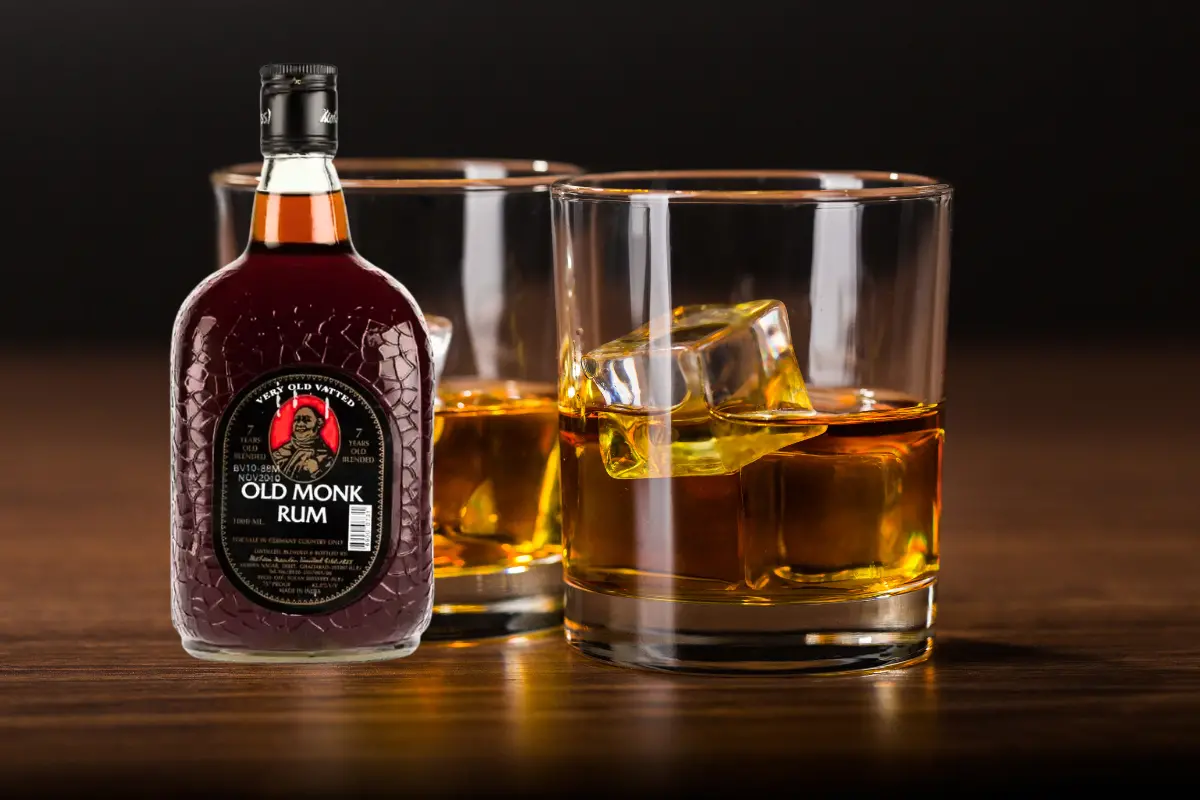
Mumbai: Old Monk's manufacturer, Mohan Rocky Springwater Pvt Ltd, has told the Bombay High Court that restrictions on sales in Maharashtra have resulted in corporate losses exceeding Rs 500 crore. The dispute centres on the Food Safety and Standards Authority of India's (FSSAI) insistence that the popular alcoholic beverage be labelled “rum-like” rather than “rum”.
The matter came up before a bench of Chief Justice MC Tripathi and Justice Advait Sethna on Monday, October 12. Additional Solicitor General Anil Singh, appearing for the FSSAI, told the court that sales would be permitted only if the manufacturer accepted the proposed labelling change.
Advocate Venkatesh Dhond, representing the manufacturer, said the restriction on sales from its unit in Thane district had caused losses exceeding Rs 500 crore. He also submitted that Maharashtra's excise department had lost around Rs 350 crore in revenue, while approximately 300 workers had been left idle.
The manufacturer further pointed out that Old Monk continued to be sold in other states, while its sale remained prohibited in Maharashtra. The company is challenging the FSSAI's prohibition order.
Why does FSSAI want Old Monk labelled ‘rum-like’?
The dispute concerns alcoholic beverages that use added rum flavouring but are marketed under conventional product names.
The FSSAI has argued that adding artificial or nature-identical rum flavouring can obscure the underlying composition of a spirit and potentially mislead consumers unless the product is appropriately labelled as flavoured or as a spirit with rum flavour.
The regulator has also objected to age-related descriptions on Old Monk labels, including “7 years old blended” and “very old vatted”, citing alleged non-compliance with labelling requirements.
Revised labels fail to resolve the dispute
In an attempt to resolve the matter, Mohan Rocky Springwater agreed to submit revised draft labels that removed the contested age descriptors and prominently disclosed the presence of “added flavour”.
However, the revised labels were not approved by the regulator, and discussions between the two sides failed to resolve the disagreement.
The manufacturer subsequently requested a final hearing on the merits of the case. The High Court had declined to grant an immediate interim stay on the prohibition during earlier hearings.
The court has now scheduled the final hearing for October 23.
What is at stake in the case?
The dispute has financial implications for the manufacturer and the state government. According to the company's submissions, the restrictions have resulted in losses exceeding Rs 500 crore for the business, around Rs 350 crore in lost excise revenue for Maharashtra and approximately 300 workers being left idle.
These figures are claims made before the court and have not been established as judicial findings.
The case also raises questions about how food safety and labelling regulations apply to alcoholic beverages containing added flavouring. The outcome could clarify the requirements applicable to the product, depending on the court's findings.
Why the labelling dispute matters
The case highlights the distinction between a product's marketed name and the information its label provides about its composition. The FSSAI's position is that products containing added rum flavouring must be labelled in a way that accurately communicates their nature to consumers. The manufacturer is challenging the restriction that has prevented sales in Maharashtra.
For the industry, the dispute could have implications for how flavoured spirits are described, how age-related claims are presented and how regulators assess compliance with labelling requirements.
The immediate question before the Bombay High Court is whether the manufacturer's challenge to the prohibition succeeds and how the competing positions on product labelling are addressed. Until the matter is decided, the company's claimed losses and the regulatory concerns remain separate issues to be assessed on the evidence and applicable law.