Can the government pass the delimitation bill? Inside the Lok Sabha numbers crisis
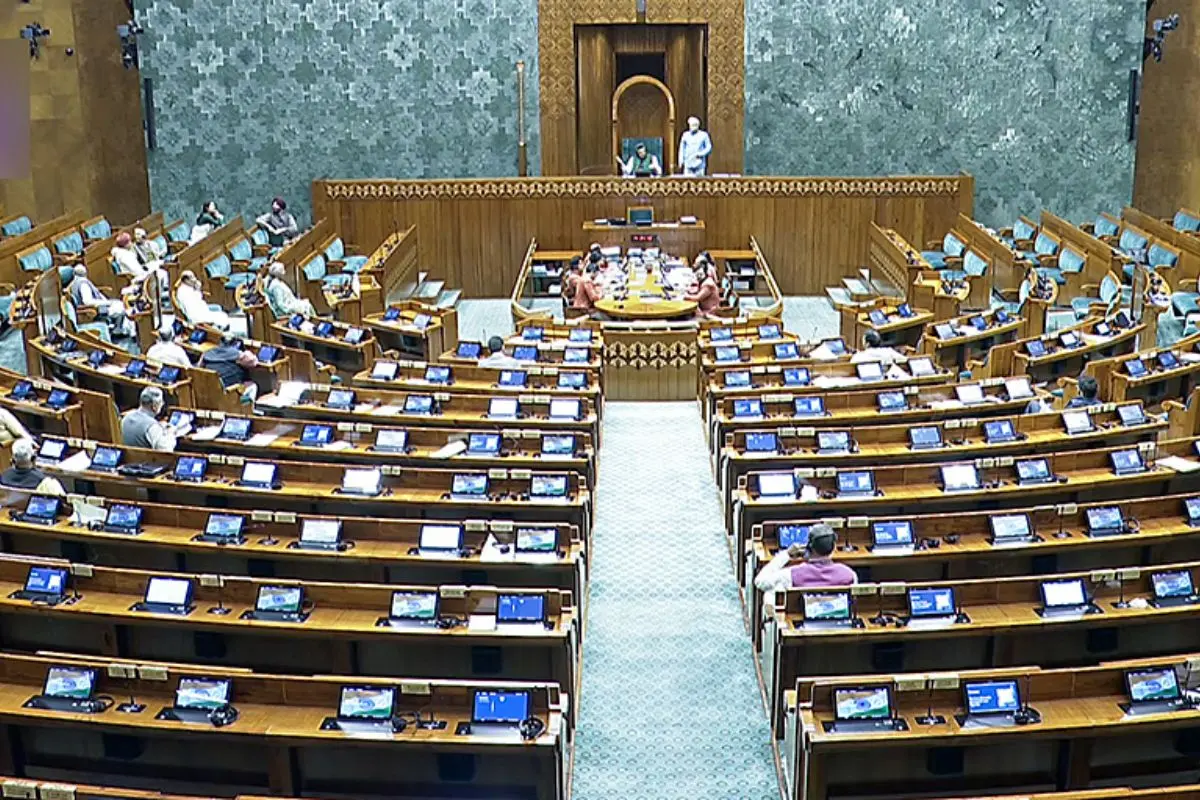
The debate over the delimitation bill in the Lok Sabha has become a high-stakes numbers game, with the ruling NDA short of the two-thirds majority required for a constitutional amendment and the Opposition holding enough strength to block the proposal if it votes as a unified bloc.
The final outcome is now expected to depend on attendance, abstentions and cross-party support during the crucial vote.
What the delimitation bill debate is about
The debate over the delimitation bill in the Lok Sabha has turned into a high-stakes political and numerical contest. The proposed constitutional amendment, which is linked to wider electoral reforms, has triggered a clash between the government and Opposition over both its intent and impact. At the centre of the issue is a plan to expand Lok Sabha seats and redraw how representation is distributed across states, alongside its link to the implementation of women’s reservation.
What the bills propose
The Constitution (131st Amendment) Bill, 2026 is a constitutional amendment that requires a special majority under Article 368. It must be supported by a majority of the total membership of the House and at least two-thirds of members present and voting in the Lok Sabha. In practical terms, if all 545 MPs vote, around 360 votes are needed for the bill to pass. The proposal is linked to expanding the House from around 545 to 850 seats and enabling implementation of the Nari Shakti Vandan Adhiniyam 2023 without reducing existing representation.
Why it has become controversial
The Opposition has raised concerns that the bill could alter the balance of political power between states. It argues that states with higher population growth could gain more seats, while states that have stabilised population growth may see their relative influence reduced. Opposition parties have also questioned the timing of the proposal, suggesting it could reshape electoral dynamics ahead of future general elections.
Numbers game in Lok Sabha
The ruling NDA currently has around 293 MPs in the Lok Sabha, which is short of the two-thirds threshold required for passage. On paper, the government is nearly 67 votes short of the required majority. The Opposition bloc, with around 234 MPs, is collectively strong enough to block the bill if it votes as a unified group.
Why abstentions and smaller parties matter
Because the voting requirement depends on members present and voting, abstentions or absences can significantly change the final threshold. If some MPs do not vote, the number required for a two-thirds majority may fall. Smaller regional parties and independent MPs could therefore play a decisive role, as even limited cross-voting or abstentions could shift the outcome in a closely balanced House.
What the numbers really indicate
On a strict arithmetic basis, the government does not currently have enough support in the Lok Sabha to pass the bill on its own. However, constitutional amendments are often influenced by attendance patterns, political negotiations, and voting behaviour on the day.
Why the debate matters politically
Beyond the numbers, the debate reflects a larger political contest over representation, federal balance, and electoral restructuring. While the government frames the proposal as part of reforms linked to women’s empowerment, the Opposition views it as a move that could significantly alter India’s political map ahead of future elections.