After NALSAR row, NLSIU students push back against CJI visit
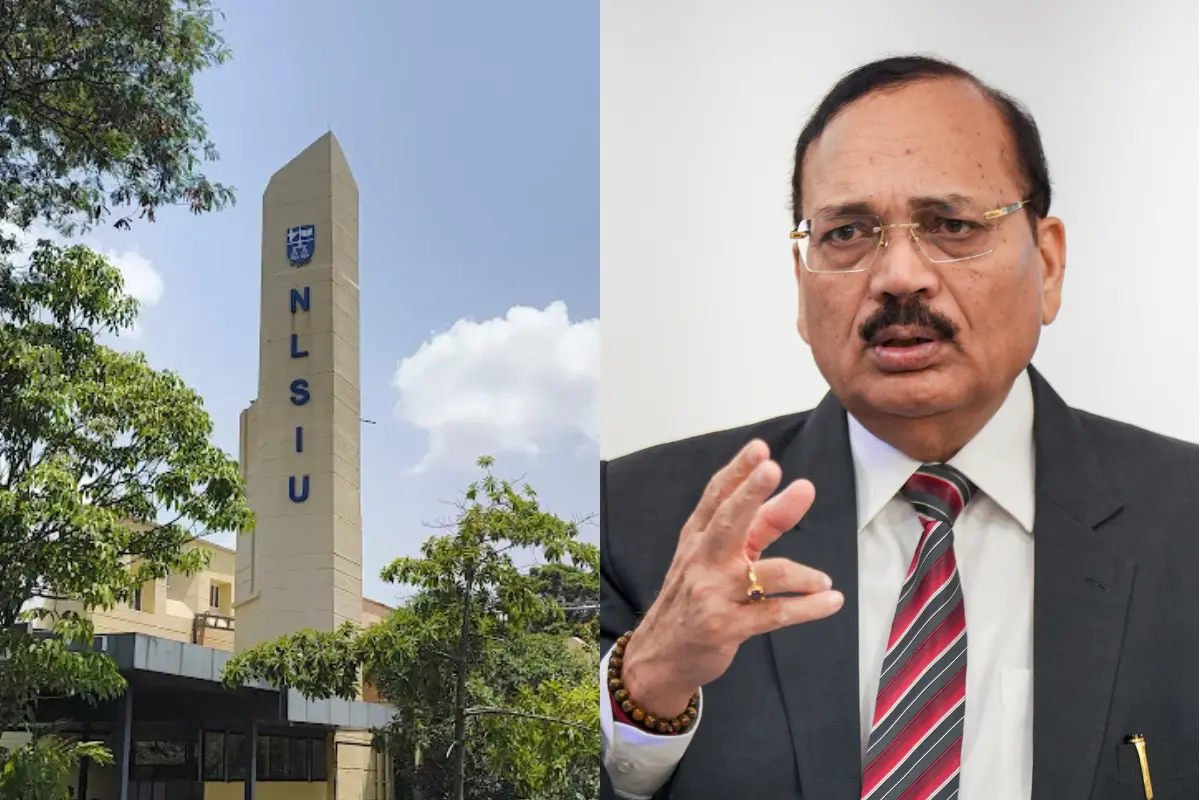
Students and alumni of the National Law School of India University have opposed the proposed attendance of Chief Justice of India and Bar Council of India chairperson Manan Kumar Mishra at the university’s convocation, citing the recent controversy involving NALSAR University of Law.
A statement signed by 165 graduating students from the Class of 2026, 409 current students and 128 alumni expressed “unconditional solidarity” with students and faculty at NALSAR.
The NLSIU community said a convocation is a significant academic milestone for students and their families. It objected to inviting senior officials who, according to the statement, had publicly expressed disapproval towards students involved in the NALSAR matter.
The students also supported NALSAR's request to reconsider the choice of the CJI as chief guest for its convocation.
Students demand BCI apology
The NLSIU signatories called on the BCI to issue an unconditional apology to the NALSAR student and faculty community over its handling of the matter.
They also demanded clarification about the protocol governing the use of the BCI's official letterhead by its chairperson.
The students criticised directions issued by the BCI asking NALSAR to identify students and faculty members who had made a representation. They described the move as a “witch-hunt” and warned that such actions could discourage dissent and free expression on university campuses.
Concerns over freedom of speech
The NLSIU students argued that the BCI's actions went beyond the powers granted to it under the Advocates Act, 1961.
They said the directions raised concerns about the constitutional protection of freedom of speech and expression under Article 19(1)(a).
The statement also criticised what it called a pattern of partisan political comments by the BCI chairperson, arguing that such conduct had affected public confidence in the legal profession.
BCI had closed NALSAR proceedings
The statement acknowledged that the BCI subsequently closed the proceedings against NALSAR.
However, the NLSIU community said the initiation of proceedings by a statutory body remained a matter of concern, particularly because of its potential impact on academic freedom and dissent.
The signatories said they issued the statement to “set the record straight” and to discourage similar incidents in the future.
Why the NLSIU protest matters
The dispute has brought questions about the relationship between statutory legal bodies, law universities and student expression into focus.
At the centre of the NLSIU students’ objections is the argument that professional regulatory bodies should not take actions that could be perceived as intimidating students or faculty members for expressing disagreement.
The reference to Article 19(1)(a) is significant because freedom of speech and expression is a fundamental right under the Constitution, subject to constitutionally permitted restrictions.
The controversy also highlights the symbolic importance of convocation events at national law universities. By opposing the attendance of senior legal figures, the NLSIU signatories are using the university’s public academic platform to express concerns about institutional accountability and free speech.
The BCI's subsequent decision to close the NALSAR proceedings is also relevant to the dispute, although the NLSIU statement argues that the original action itself warrants scrutiny.