UIDAI launches new Aadhaar app: AI face authentication, biometric lock and more
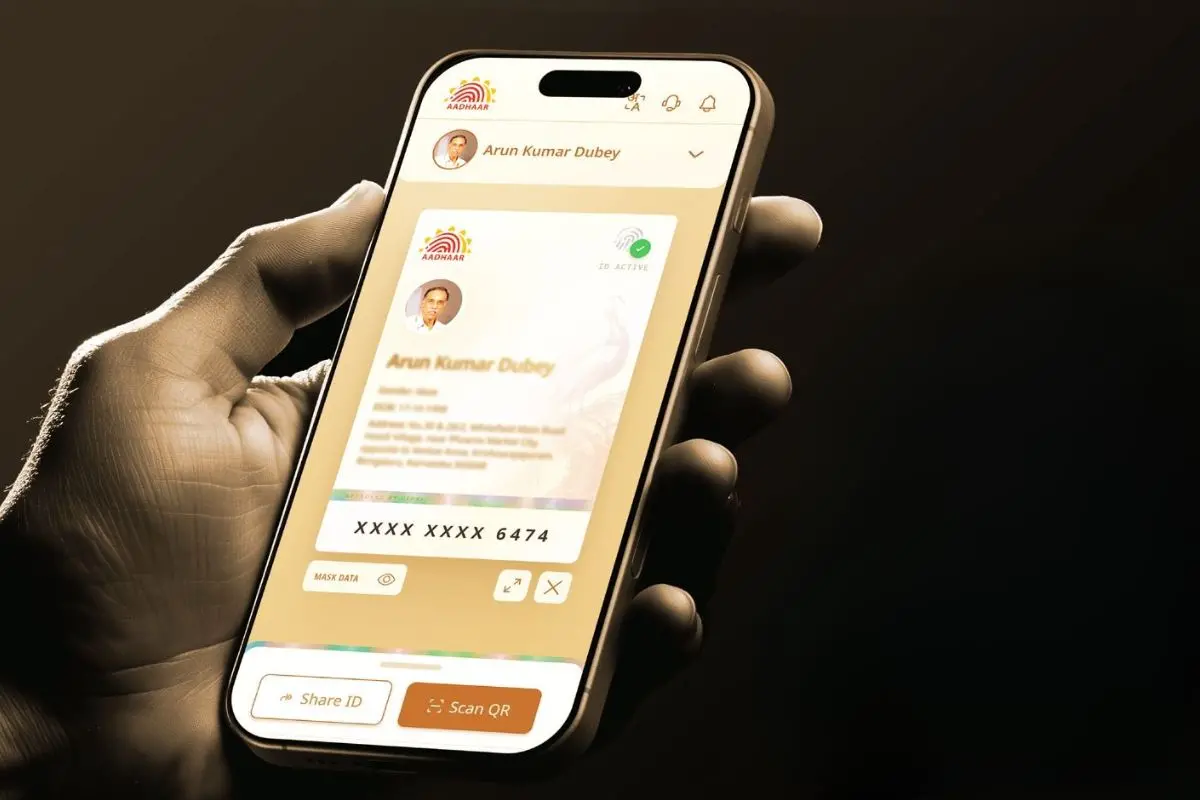
New Delhi: In a major technological upgrade to India’s digital identity ecosystem, the Unique Identification Authority of India (UIDAI) has launched a new Aadhaar app designed to securely streamline identity management for over 140 crore citizens. Available on both Android and iOS platforms, this app integrates cutting-edge features like AI-powered face authentication and QR code verification to deliver a seamless, paperless, and privacy-centric experience.
The Aadhaar app leverages face recognition technology tied to the user’s Aadhaar profile photograph, allowing biometric authentication without the need for fingerprint scans. Users can digitally verify and share their identity on demand, selectively controlling what personal details—such as name and photo—they disclose, while safeguarding sensitive information. The QR code-based authentication system enables quick and secure sharing, akin to scanning UPI payment codes, enhancing convenience for everyday identification needs.
Security is further bolstered with options to lock and unlock biometric data, preventing unauthorised use of fingerprints or facial images. An authentication history feature provides transparency by tracking where and when the user’s Aadhaar identity has been utilised for authentication. Users can store Aadhaar cards of family members within a single app, simplifying management of multiple identities.
This new app complements UIDAI’s existing mAadhaar app by offering more advanced biometric verification and digital sharing features. It is part of UIDAI’s digital transformation roadmap, which also includes an upcoming e-Aadhaar app planned for late 2025 that will allow citizens to update demographic details online via a fully automated, AI-driven process linking verified government databases.
Built on a scalable and open-source technology architecture capable of handling up to 100 million authentications per day, the app ensures reliability and vendor-neutral interoperability across devices.