Former PM's wife burnt alive as Gen Z protests escalate in Nepal
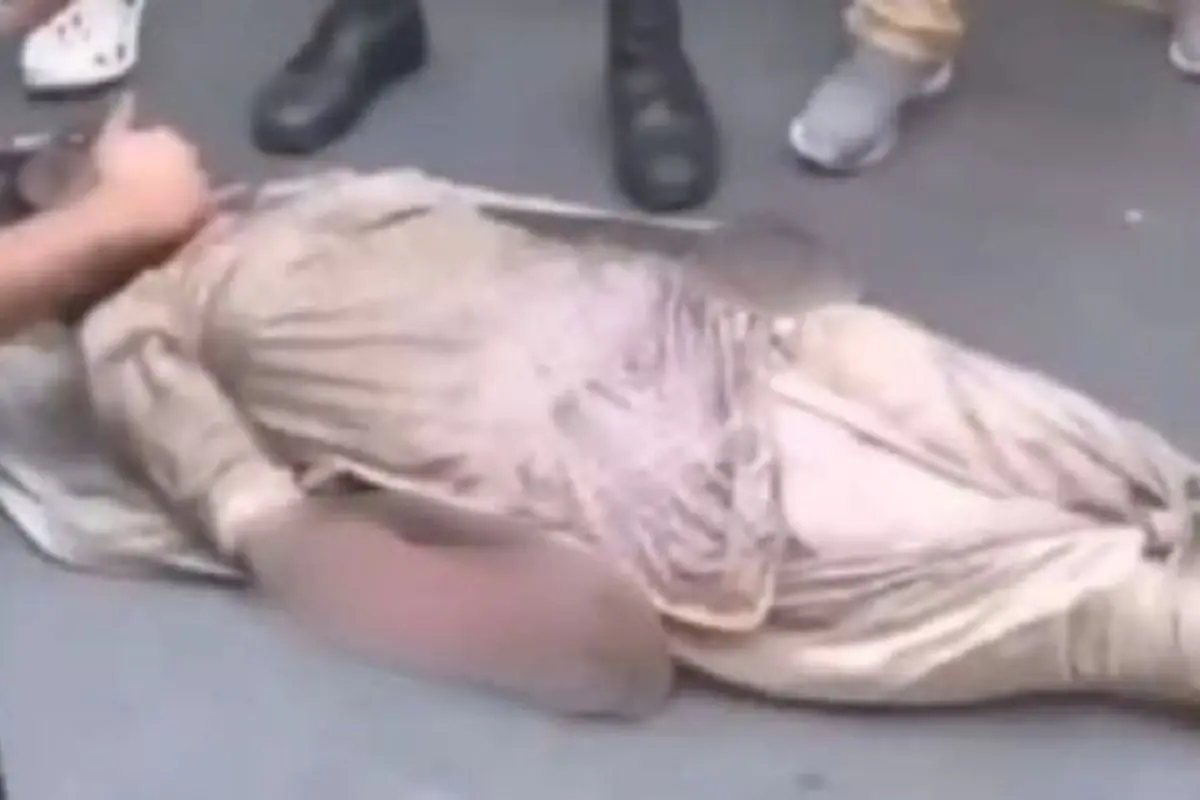
Kathmandu: Rajyalaxmi Chitrakar, wife of former Nepali Prime Minister Jhalanath Khanal, has died after sustaining severe burns when their residence in Kathmandu was set on fire during violent protests, as per reports.
Rajyalaxmi Chitrakar was inside the house when protesters torched the property. She was taken to Kirtipur Burn Hospital in a critical condition but later succumbed to her injuries, Khabarhub reported, citing family sources.
Her death comes amid a sharp escalation in the Gen Z-led protests, which have forced Prime Minister KP Sharma Oli to resign. Demonstrators have set fire to several government buildings, including the Parliament building and the President's Office in Kathmandu.
On Tuesday, Nepali President Ram Chandra Paudel called on demonstrators to seek a peaceful resolution to the ongoing Gen Z movement through dialogue, according to a report by The Himalayan Times.
President Paudel stressed that, with Prime Minister Oli’s resignation already accepted, the country must now focus on resolving the crisis without further bloodshed or destruction, The Himalayan Times reported, citing an official statement from the President.
"I urge all sides to remain calm, prevent further harm to the nation, and come to the table for talks. In a democracy, the demands raised by citizens can be addressed through dialogue and negotiation," he said.
The Nepali Army has also issued a public appeal, urging citizens—particularly young people—to show restraint and to protect the country’s historical and cultural heritage, The Himalayan Times reported.
Over the past two days, the Gen Z protests have intensified significantly, resulting in at least 19 deaths and more than 500 injuries in clashes around the Federal Parliament and other areas of Kathmandu.
The demonstrations began on September 8, 2025 in Kathmandu and other major cities including Pokhara, Butwal, and Birgunj, following the government’s decision to ban several major social media platforms. The ban was justified on grounds of tax revenue concerns and cybersecurity threats.
Protesters are calling for an end to entrenched corruption and favouritism in government. They are demanding greater accountability and transparency in decision-making. One of their key demands is the reversal of the social media ban, which they view as a suppression of free speech.
A curfew has been imposed in several cities, including Kathmandu, in an attempt to regain control. The government’s ban affects 26 major social media platforms, including Facebook, Instagram, WhatsApp, and YouTube. While authorities cite the spread of misinformation and the need for regulation, many citizens interpret the move as an attempt to stifle dissent.
ANI