‘We will not sign’: Neha Bora rejects peace bond after Delhi High Court dismisses her plea
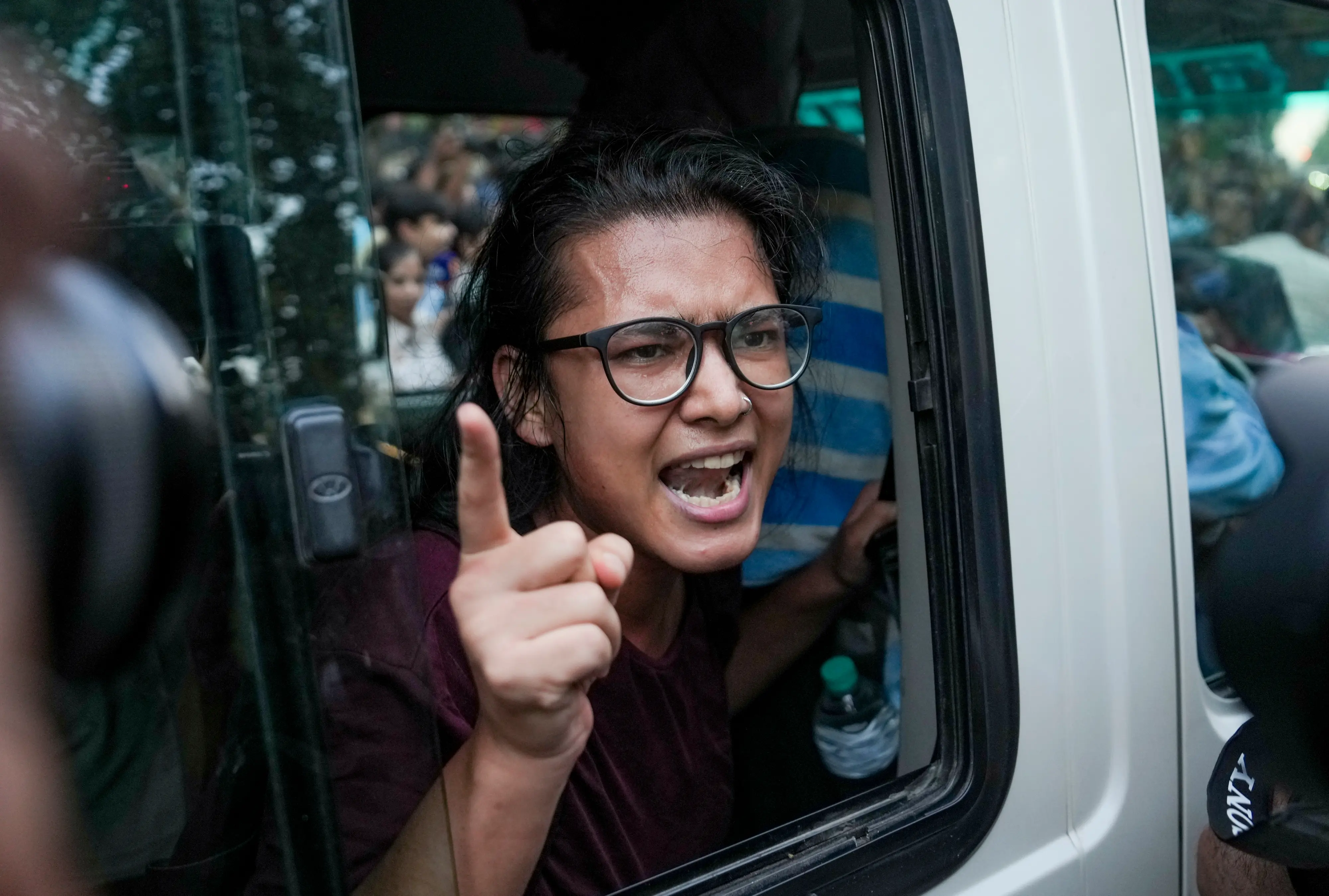
New Delhi: All India Students’ Association (AISA) president Neha Bora has refused to sign a peace bond sought by the Delhi Police, saying she does not want to accept a condition that she believes could restrict the right to protest and express democratic dissent.
Bora made the statement on Saturday, October 24, a day after the Delhi High Court rejected her petition challenging a police notice requiring her to appear before a Special Executive Magistrate (SEM) and explain why she should not execute a personal bond to maintain peace.
Although the High Court rejected her plea at this stage, it directed the magistrate to provide Bora with all relevant material related to the proceedings. It also asked the SEM to consider whether the bond should be furnished at the beginning of the inquiry or later during the proceedings.
Bora said she would participate in the proceedings before the magistrate in accordance with the court’s directions, but maintained that she would not sign the peace bond.
Neha Bora says peace bond conflicts with fundamental rights
Explaining her position, Bora argued that the invocation of peace bonds raised questions about the relationship between preventive police measures and constitutional freedoms.
“On one hand, the Constitution grants us rights, including the right to protest. On the other hand, there is the peace bond. Given the way peace bonds are being invoked, signing one would go against our fundamental rights,” Bora said.
She added that she hoped the courts would recognise what she described as a contradiction between the use of peace bonds and the right to democratic expression.
Bora also said she would not accept a definition of peace that prevented citizens from questioning the government.
“We will not sign any such document. We have no intention of accepting a definition of peace that silences dissent. Peace should exist not only for the government but also for ordinary citizens. We will continue to exercise our right to democratic dissent,” she said.
However, Bora confirmed that she would appear before the SEM and participate in the proceedings as directed by the High Court.
What did the Delhi High Court rule?
On Friday, the Delhi High Court rejected Bora’s petition challenging a notice issued by the Delhi Police on October 17 under Section 126 of the Bharatiya Nagarik Suraksha Sanhita (BNSS).
“I am rejecting the writ petition at this juncture,” Justice Subramonium Prasad said while delivering the order.
The court also directed the Special Executive Magistrate to ensure that Bora received the relevant material concerning the proceedings.
“There are sufficient safeguards given, directions given to the magistrate to take care. All the material has to be furnished to her,” the judge said.
The court further directed the SEM to consider whether Bora would need to furnish the bond at the outset or during the inquiry before passing an order.
The police notice had asked Bora to appear before the magistrate on October 19 and explain why she should not execute a personal bond of Rs 10,000, along with one surety, to maintain peace during the inquiry.
Why was Neha Bora asked to furnish a peace bond?
Bora was taken into preventive detention on October 16 while travelling to join the Cockroach Janta Party’s (CJP) ‘Lehra Do Tiranga’ march at Connaught Place in Delhi. She was released on October 17.
Following her detention, the Delhi Police issued a notice under Section 126 of the BNSS, seeking proceedings to require her to execute a bond for maintaining peace.
In her petition, Bora challenged the notice as vague and factually incorrect. She argued that it did not provide sufficient material to support the allegation that she was likely to cause a breach of peace.
Her counsel also questioned the basis of the notice, arguing that it did not demonstrate independent application of mind and was effectively a cut-and-paste exercise.
During the hearing, her lawyer contended that citizens did not need permission to hoist the national flag and that calling for a change of government was part of democratic expression. The counsel also argued that an inquiry was necessary even before an interim bond could be required.
The High Court did not accept Bora’s plea at this stage but directed the magistrate to provide the relevant material and consider the timing of the bond as part of the proceedings.
What is a peace bond under Section 126 of the BNSS?
Section 126 of the Bharatiya Nagarik Suraksha Sanhita empowers an executive magistrate to require a person to execute a bond for keeping the peace when the magistrate receives information that the person is likely to breach the peace, disturb public tranquillity or commit an act that could cause such a disturbance.
The provision is preventive in nature. Its stated purpose is to address the risk of a breach of peace rather than to punish a person for an offence already established in court.
In Bora’s case, the police notice sought a personal bond of Rs 10,000 and one surety. The High Court’s directions require the SEM to furnish relevant material to Bora and consider when the bond should be required during the proceedings.
The legal question now centres on the material supporting the notice and the procedure to be followed by the magistrate. Bora’s objections concern the potential effect of such proceedings on democratic dissent and the right to protest.
The case raises questions about how preventive policing powers should be exercised when individuals are involved in political protests. Section 126 of the BNSS allows authorities to initiate proceedings where there is a credible basis to anticipate a breach of peace. At the same time, the use of such powers must follow the applicable legal procedure.
The Delhi High Court’s order does not amount to a ruling that peace bonds are inherently unconstitutional. It rejected Bora’s petition at this stage while directing the SEM to provide relevant material and consider the timing of the bond.
The distinction is important: the court’s directions address procedural safeguards in the ongoing proceedings, while Bora continues to challenge the use of the bond on grounds related to fundamental rights and democratic dissent.
The next stage will take place before the Special Executive Magistrate, who must consider the material and follow the High Court’s directions. Bora has said she will participate in those proceedings but will not sign the bond.