Narendra Modi talks to Israel PM Netanyahu, welcomes Gaza hostage release deal
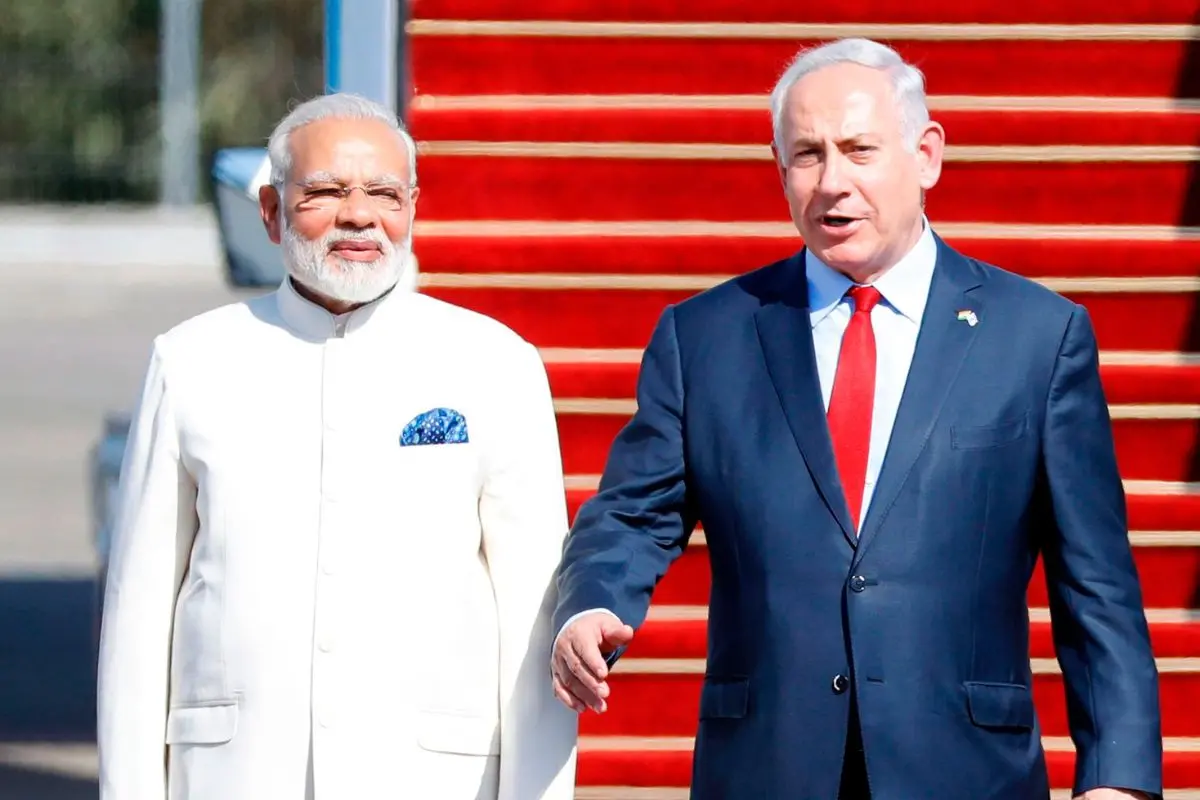
New Delhi: Prime Minister Narendra Modi on Thursday held a phone conversation with his Israeli counterpart Benjamin Netanyahu, congratulating him on the progress made under US President Donald Trump’s Gaza peace plan and welcoming the agreement for the release of hostages.
In a post shared on X, Modi said, “Called my friend, Prime Minister Netanyahu, to congratulate him on the progress made under President Trump’s Gaza peace plan. We welcome the agreement on the release of hostages and enhanced humanitarian assistance to the people of Gaza. Reaffirmed that terrorism in any form or manifestation is unacceptable anywhere in the world.”
Modi also speaks to Trump
Earlier the same day, Modi also spoke to US President Donald Trump to congratulate him on the success of the Gaza peace initiative, which has been described as a major diplomatic breakthrough aimed at ending the conflict between Israel and Hamas.
“Spoke to my friend, President Trump and congratulated him on the success of the historic Gaza peace plan. Also reviewed the good progress achieved in trade negotiations,” Modi said on X. “Agreed to stay in close touch over the coming weeks,” he added.
Gaza ceasefire agreement
The Indian prime minister’s remarks came after Hamas announced it had reached a ceasefire and hostage-release deal with Israel during indirect talks mediated in Egypt.
According to Hamas, the exchange of hostages and Palestinian prisoners will take place within 72 hours of the agreement’s implementation. As part of the first phase of the plan, the group said it would release 20 surviving hostages in exchange for nearly 2,000 Palestinian prisoners.
Hamas said the deal “provides for an end to the war in Gaza, the withdrawal of Israeli forces, the entry of humanitarian aid, and a prisoner exchange.”
The group also expressed gratitude to the mediators and President Trump for their role in facilitating the agreement, urging them “to compel the occupation government to fully implement the obligations of the agreement and to prevent it from evading or delaying the implementation of what has been agreed upon.”
(With inputs from PTI)