Mumbai enforces GRAP-4 restrictions as air quality deteriorates to ‘very poor’ and ‘severe’ levels
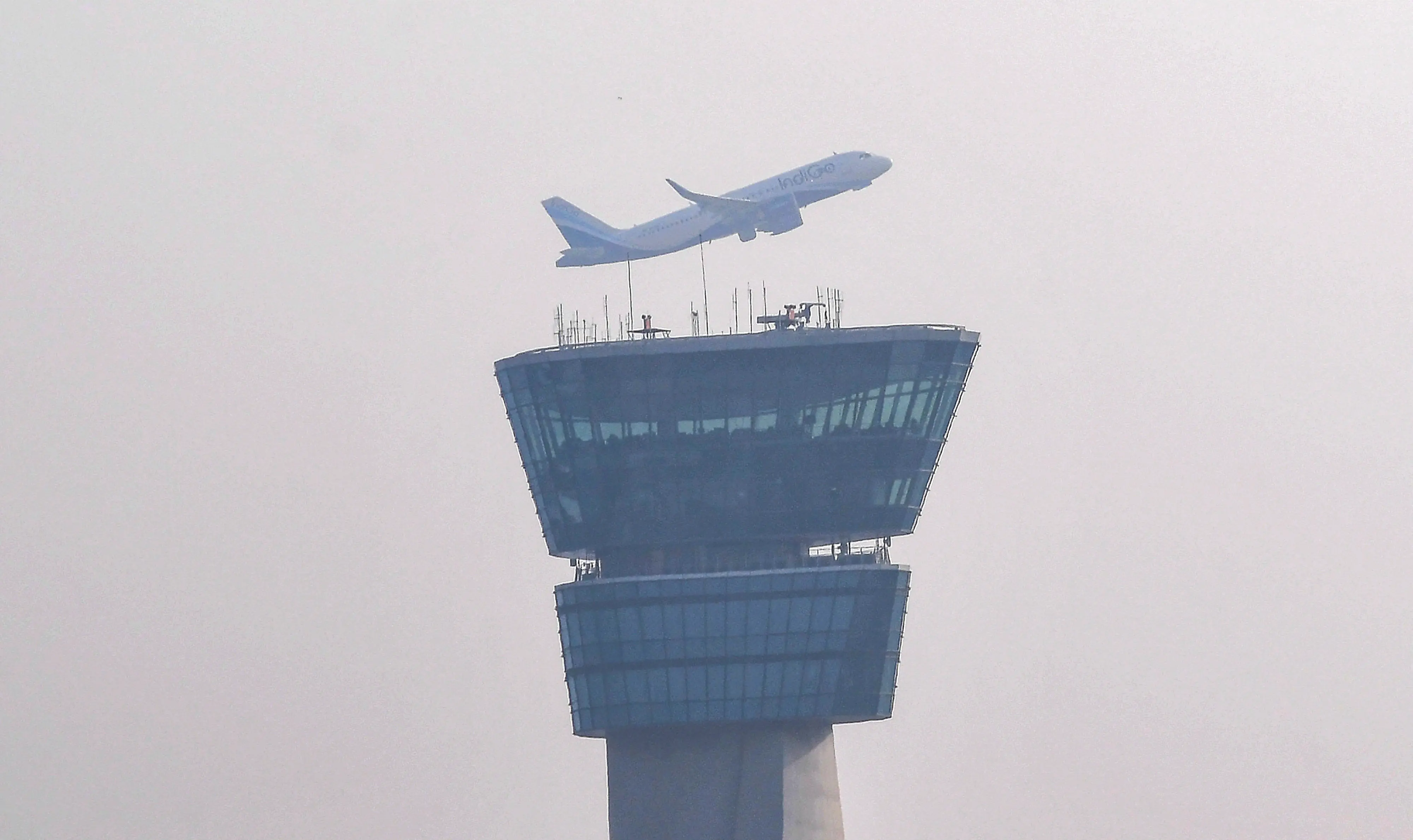
Mumbai: Amid rapidly worsening air quality in Mumbai, the Brihanmumbai Municipal Corporation (BMC) has begun enforcing stringent curbs under Stage IV of the Graded Response Action Plan (GRAP-4).
The measures apply to neighbourhoods where the Air Quality Index (AQI) has consistently fallen into the ‘very poor’ and ‘severe’ categories. Residents in these areas have reported widespread discomfort such as breathing difficulties, poor visibility and eye irritation. The affected areas include Mazgaon, Deonar, Malad, Borivali East, Chakala–Andheri East, Navy Nagar, Powai and Mulund.
Experts have linked the rise in Air Quality Index (AQI) levels in Mumbai and its satellite cities to intensified construction activity driven by major infrastructure projects, alongside increasing vehicular pollution.
What are the GRAP-4 measures in Mumbai?
- Under the new restrictions, the BMC has halted all construction and dust-generating activity in the worst-hit zones, with dozens of sites now under close scrutiny.
- Of the 70 sites inspected so far, 53 were found violating dust-control rules, and notices have been served accordingly.
- Stop-work notices have been issued to 50 construction and Ready-Mix Concrete (RMC) sites found flouting norms.
- Small industries such as bakeries, marble-cutting units and other polluting operations have been instructed to shift to cleaner technologies or face penal action.
- Flying squads comprising of engineers, police personnel and GPS-tracked vehicles have been deployed across all wards to enforce compliance and monitor emissions.
The worsening air quality has also fuelled political tensions. The Mumbai Congress has released its own ‘Mumbai Clean Air Action Plan’, calling for clean air to be recognised as a fundamental right, around-the-clock monitoring of pollution-causing activities, the planting of one million trees and tougher standards for emissions from vehicles, industry and construction sites.
In a post on X, former Maharashtra minister and Mumbai Congress president Varsha Gaikwad accused the state government of neglecting the environment. She argued that unchecked construction and contractor-driven policies have accelerated the pollution crisis. Mumbai, she wrote, is “choking under smog and the BJP’s contractor raj”, asserting that every resident has a fundamental right to breathe clean air.
How are the restrictions in Mumbai’s different from Delhi?
Although Mumbai’s AQI levels remain lower than Delhi’s — mostly between 200 and 300 over recent weeks — the city has nonetheless activated its toughest controls in response to sustained PM2.5 and PM10 pollution. Delhi, by contrast, has been recording AQI levels between 300 and 400 in recent days.
In the National Capital Region (NCR), GRAP-4 typically triggers additional measures, including:
- A ban on BS-III petrol and BS-IV diesel four-wheelers.
- Hybrid schooling, with classes moved partly online, except for students in Years 10 and 12.
- Work-from-home mandates, with government offices operating at 50 per cent capacity.
- A ban on truck entries into the city.
- While Mumbai has not adopted all of Delhi’s GRAP-4 provisions, officials say further measures may be considered if air quality continues to decline.