Bill to prevent insults to Vande Mataram, amend FCRA Act listed for Parliament's Monsoon session
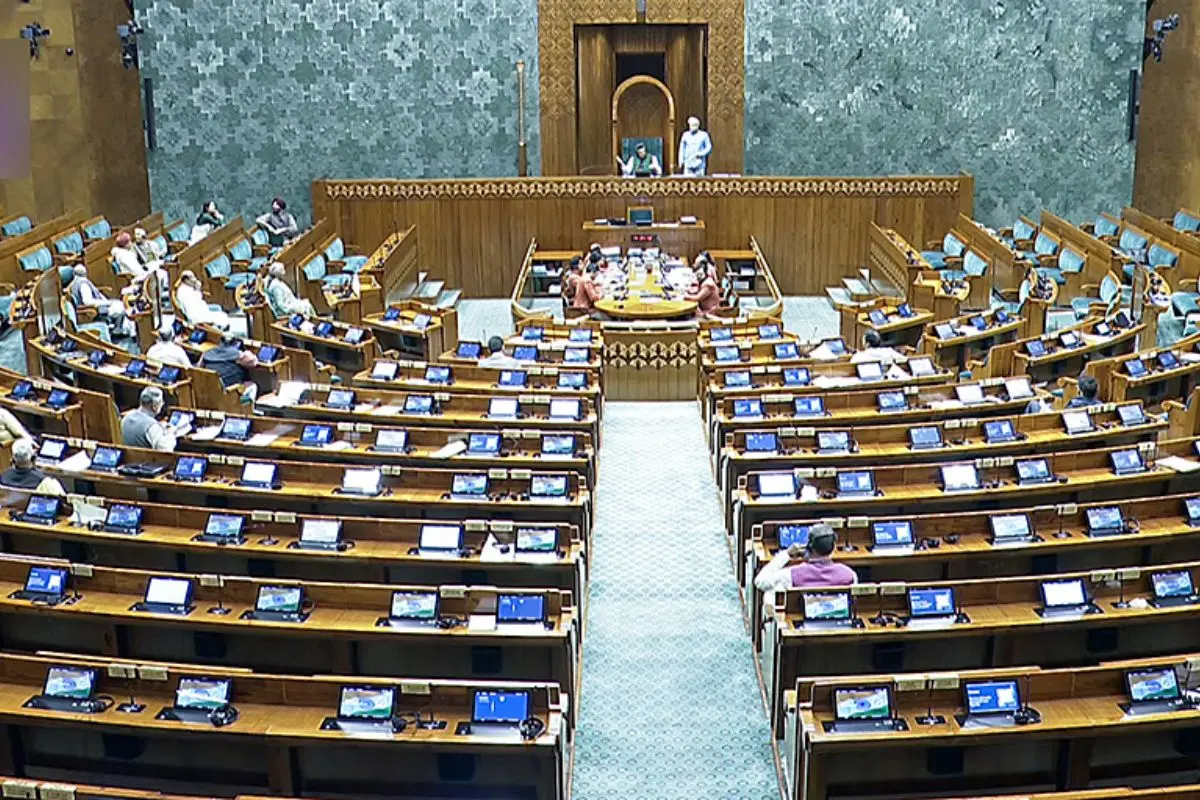
New Delhi: The Centre is set to introduce a series of key legislations during the Monsoon Session of Parliament beginning July 20, including bills to grant the national song Vande Mataram the same statutory protection as the national anthem, tighten rules governing foreign funding for NGOs, overhaul higher education regulation and strengthen delayed birth and death registration norms.
According to a Lok Sabha Secretariat bulletin, the Prevention of Insults to National Honour (Amendment) Bill, 2026 has been listed for introduction, consideration and passage. The proposed legislation seeks to accord Vande Mataram the same legal protection as Jana Gana Mana, making any insult to or obstruction of the singing of the national song a punishable offence. The Bill has also been listed in the Rajya Sabha.
The government has also scheduled the Foreign Contribution (Regulation) Amendment (FCRA) Bill, 2026 for consideration and passage. Introduced during the Budget Session, the Bill could not be taken up earlier amid opposition from certain quarters in Kerala.
The proposed amendments would empower the government to seize the assets of NGOs that fail to comply with FCRA registration requirements, further tightening oversight of organisations receiving foreign contributions. The legislation follows the 2020 amendment that reduced the permissible limit for administrative expenditure from foreign funds from 50 per cent to 25 per cent.
The proposed changes have drawn concern from several Christian organisations, with a delegation of church leaders recently meeting Union Home Minister Amit Shah to express apprehensions over the provisions.
Also on the government's legislative agenda is the Registration of Births and Deaths (Amendment) Bill, 2026, which seeks to make delayed registration more stringent.
Under the proposed amendment, births and deaths reported more than two years after the event would require the approval of a first-class judicial magistrate, replacing the current system under which district magistrates, sub-divisional magistrates or executive magistrates can authorise such registrations.
Another significant measure listed for consideration is the Viksit Bharat Shiksha Adhishthan Bill, 2025, which proposes sweeping reforms to India's higher education regulatory framework.
The Bill seeks to dissolve the University Grants Commission (UGC), the All India Council for Technical Education (AICTE) and the National Council for Teacher Education (NCTE), replacing them with a unified regulatory commission as part of the implementation of the National Education Policy (NEP), 2020.
Introduced in the Lok Sabha in December 2025, the legislation is expected to be taken up after the Joint Committee of Parliament submits its report.
The government also plans to introduce the Income-tax (Amendment) Bill, 2026, replacing the ordinance issued last month to exempt foreign investors from income tax on interest earnings and capital gains from investments in government securities. The move was aimed at attracting foreign capital and easing pressure on the rupee amid the West Asia crisis.
Additionally, the Micro, Small and Medium Enterprises Development (Amendment) Bill, 2026 is slated for introduction and passage in both Houses. The proposed legislation seeks to modernise the MSME Development Act, 2006, align it with the evolving business landscape and promote ease of doing business through trust-based regulations.