‘Protecting students' future’: PM Modi highlights Nilekani-led exam reform task force
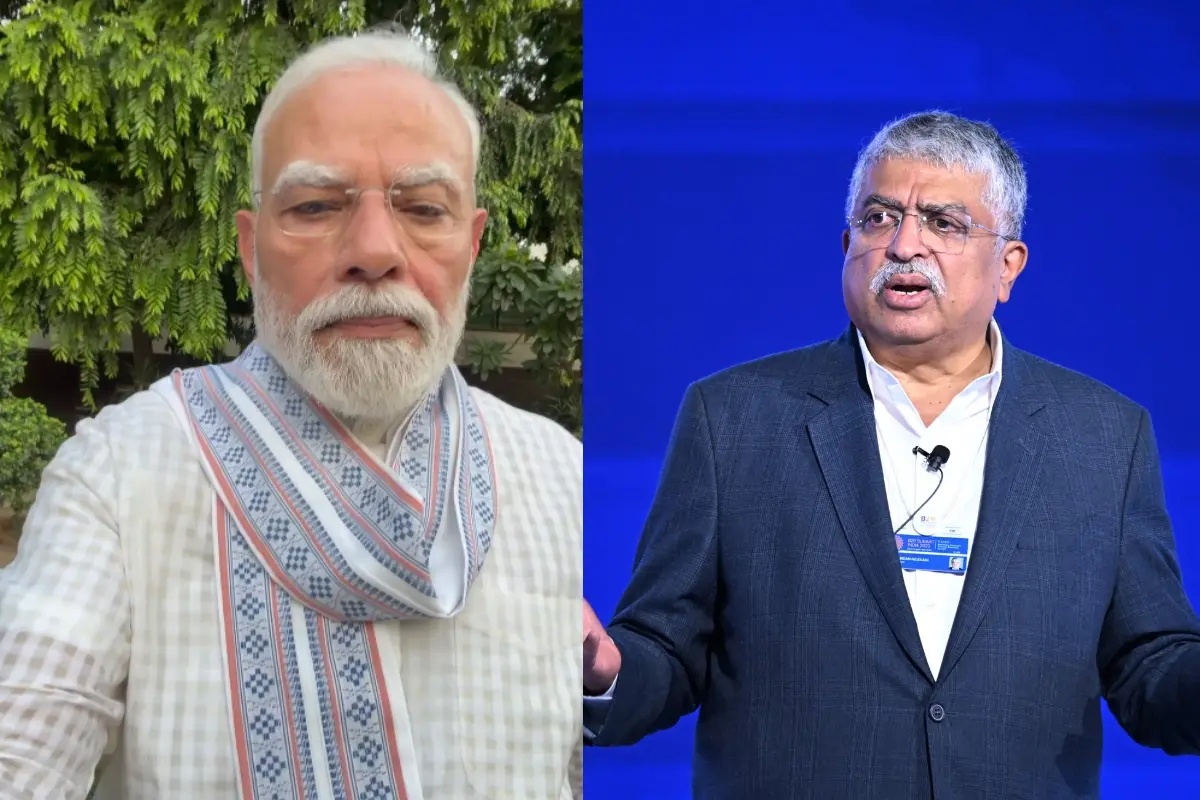
New Delhi: Prime Minister Narendra Modi has announced a high-powered task force on examination reforms led by Infosys co-founder Nandan Nilekani, presenting it as a major step towards rebuilding trust in India's examination system after months of criticism over paper leaks, alleged irregularities and student protests.
The announcement was highlighted by PM Modi through an Instagram video, where he focused on the need for a more transparent, secure and technology-driven examination process. The move comes after growing pressure on the government over concerns raised by students appearing for competitive examinations.
The task force, headed by Nilekani, will examine ways to improve the examination ecosystem, including question paper security, candidate verification, digital systems, evaluation processes and prevention of malpractice.
From Aadhaar architect to exam reform architect
Nandan Nilekani, who co-founded Infosys and led the creation of Aadhaar as the founding chairman of the Unique Identification Authority of India (UIDAI), has been chosen for his experience in developing large-scale digital platforms.
The government is expected to use Nilekani's technology background to explore whether digital solutions can reduce vulnerabilities in India's examination system.
However, critics have questioned whether technology alone can solve problems linked to administrative failures, accountability gaps and alleged lapses in examination management.
Announcement follows NEET paper leak controversy
The announcement comes after widespread concerns over alleged irregularities in competitive examinations, including the NEET paper leak controversy.
The issue triggered student protests across the country, with demonstrators demanding accountability, stronger security measures and reforms in the examination process.
The Cockroach Janta Party (CJP) also staged a prolonged protest at Delhi's Jantar Mantar demanding action over examination-related issues. The agitation intensified after allegations of police action against protesters and later ended after the resignation of Education Minister Dharmendra Pradhan and assurances from the government on other demands.
Government announces reforms after political pressure
Alongside the Nilekani-led task force, the Centre has announced other measures, including proposals for stricter laws against examination malpractice and faster legal proceedings in paper leak cases.
The government has said these steps are aimed at protecting students' futures and preventing organised cheating networks.
The move has also been viewed in the backdrop of political pressure, with opposition parties accusing the government of acting only after prolonged protests and public anger over examination controversies.
PM Modi's social media message draws attention
PM Modi's Instagram video focused on the government's commitment to students and highlighted the role of technology in creating a trustworthy examination system.
The social media outreach has drawn attention because the announcement comes at a time when student groups and opposition parties have been demanding answers over past examination failures.
While supporters of the move argue that a technology-focused approach could modernise the system, critics say reforms will require more than digital tools, including independent oversight, transparency in decision-making and accountability for officials responsible for failures.
Can technology fix India's exam crisis?
The Nilekani-led panel now faces the challenge of addressing long-standing issues in India's examination system, where millions of students compete for limited seats and jobs every year.
A secure digital framework could help reduce certain risks, but experts have argued that examination reforms will depend equally on strong institutions, effective monitoring and timely action against those responsible for irregularities.
The task force's recommendations and their implementation will determine whether the announcement becomes a long-term reform measure or remains another government response after a major controversy.