‘No compromise on Tamil Nadu’s seats’: Stalin sets terms as Congress seeks DMK patch-up after split
Chennai: The Congress is reaching out to the Dravida Munnetra Kazhagam (DMK) to strengthen Opposition unity ahead of the Winter Session of Parliament, which begins on November 30. The outreach comes amid the Centre’s renewed efforts to secure parliamentary approval for legislation linking women’s reservation to delimitation.
According to sources cited by The Indian Express, former West Bengal Chief Minister and Trinamool Congress (TMC) chief Mamata Banerjee is facilitating conversations between the Congress and DMK president MK Stalin. Congress leaders reportedly believe Banerjee’s seniority within the INDIA bloc and her equation with Stalin could help repair relations between the two parties.
A TMC source confirmed that discussions with the DMK were taking place regularly through Banerjee. Congress General Secretary (Organisation) KC Venugopal also indicated that the party was approaching Opposition parties to build support against the proposed legislation.
"We are approaching everybody because I think the DMK has always stood by the Constitution of India. I think whoever loves the Constitution of India cannot support these kinds of divisive agendas," Venugopal said.
The Congress had ended its alliance with the DMK following the Tamil Nadu Assembly elections and subsequently joined hands with Vijay's Tamilaga Vettri Kazhagam (TVK) to become part of the state government. The latest outreach marks an attempt to restore cooperation with its former ally at the national level.
Congress and SP issue instructions to MPs
Ahead of the special parliamentary session, the Congress has issued a three-line whip asking all its Lok Sabha MPs to reach Delhi by 10 am on November 29.
The party is also holding a meeting of its parliamentary strategy group at Sonia Gandhi's residence at 10 Janpath on Friday evening. A meeting of INDIA bloc allies is expected to follow.
A senior Congress MP said the immediate priority was to ensure that Opposition MPs remained united during the vote. The Samajwadi Party (SP), the second-largest Opposition party in the Lok Sabha, is also monitoring its MPs and is expected to issue a whip.
An SP leader alleged that the BJP had been approaching its MPs with offers in an attempt to secure support for the legislation. The party said its MPs would vote against the proposed Bill.
Stalin reiterates DMK's conditions for support
Despite the Congress's outreach, Stalin has made it clear that the DMK's position on delimitation remains unchanged.
On Friday, he reiterated two conditions for the party to support the proposed legislation:
Tamil Nadu's existing 7.18 per cent share of Lok Sabha seats must not be reduced, even if the total number of constituencies increases.
The existing proportion of parliamentary representation among states, based on the 1971 Census, must remain frozen for another 25 years.
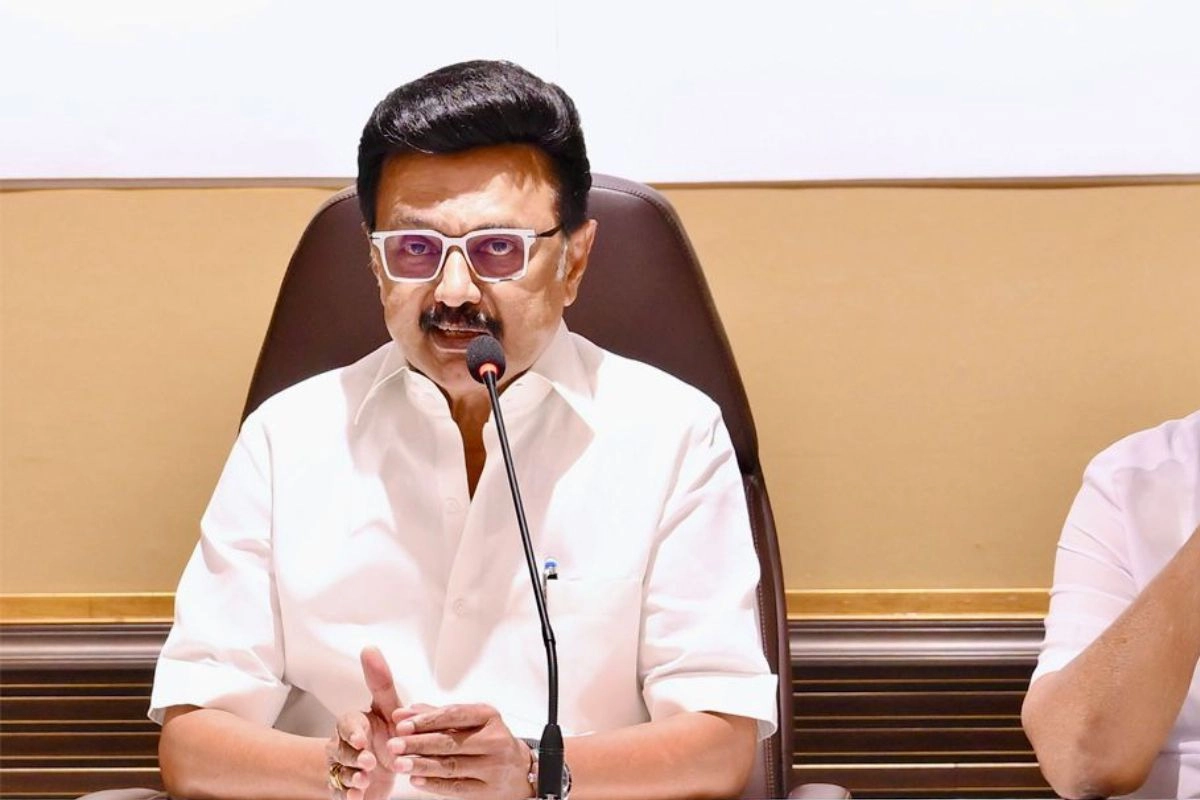
In a post on X, Stalin said the DMK would not compromise on Tamil Nadu's interests or its principles. He also criticised those who, according to him, had abandoned their political principles for positions of power, in an apparent reference to the Congress.
The DMK chief is scheduled to chair a meeting of the party's Lok Sabha and Rajya Sabha MPs in Chennai on November 28 to finalise its parliamentary strategy for the upcoming session.
Delimitation Bill and the numbers in Lok Sabha
The Centre needs a two-thirds majority in the Lok Sabha to pass the Constitution amendment legislation linked to delimitation. During its previous attempt in April, the government fell short of the required support after 528 MPs voted on the measure.
The DMK's 24 Lok Sabha MPs could be significant in the upcoming vote. The party has indicated that it may consider supporting the legislation if its demands on Tamil Nadu's representation and the existing inter-state seat-sharing formula are met.
The BJP is also reportedly attempting to secure support from other regional parties, including the Sharad Pawar-led NCP (SP). Meanwhile, the TMC has raised questions over the voting rights of 20 rebel MPs who have switched parties and are facing pending disqualification petitions.
TMC Rajya Sabha Deputy Leader Sagarika Ghose questioned whether these MPs should be allowed to vote while their disqualification cases remain unresolved.
Why the Congress needs the DMK
The Congress's attempt to reconnect with the DMK reflects the political calculations surrounding the proposed delimitation legislation. Although the two parties are no longer allies in Tamil Nadu, their positions on the national political debate could bring them back into cooperation.
The DMK's support matters because the government needs a two-thirds majority to pass the constitutional amendment. Its 24 Lok Sabha MPs could influence the final numbers, making the party an important negotiating partner for both the ruling alliance and the Opposition.
However, the DMK's position is not simply about supporting or opposing the Centre's proposal. Its primary concern is that delimitation should not reduce Tamil Nadu's existing share of parliamentary representation. The party also wants the proportional representation of states based on the 1971 Census to remain frozen for another 25 years.
This brings a federal dimension to the debate. States that have made progress in population control have expressed concerns that a delimitation exercise based on population changes could alter their relative representation in Parliament.
For the Congress, rebuilding ties with the DMK could help consolidate Opposition numbers. For Stalin, the immediate priority remains securing assurances on Tamil Nadu's representation rather than restoring the previous state-level alliance.
The outcome of the negotiations and the DMK's final parliamentary position could therefore prove crucial to the government's attempt to pass the legislation.