Will Railways revise Madgaon–Bengaluru Vande Bharat schedule?
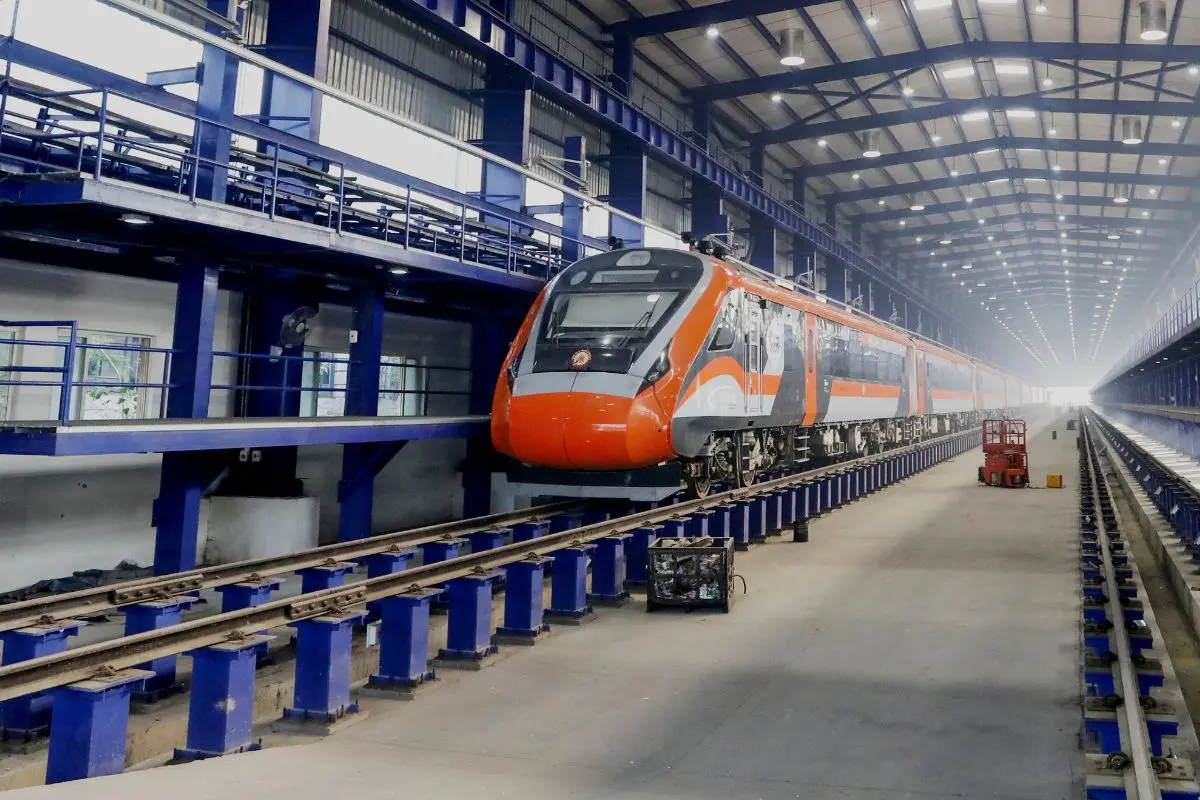
The proposed Indian Railways Vande Bharat Express service between Madgaon and Bengaluru has triggered protests across the coastal belt, as the tentative timetable indicates that the train will bypass both Mangaluru Central and Mangaluru Junction.
According to the provisional schedule, the train will operate between Yeshwantpur Junction and Madgaon Junction, travelling via Padil without halting at Mangaluru. The service is expected to depart Yeshwantpur at 6:05 am and reach Madgaon at 7:15 pm. On the return journey, it will leave Madgaon at 5:30 am and arrive in Yeshwantpur at 6:40 pm.
En route, scheduled stops include Hassan, Sakleshpur and Subrahmanya Road. The train is set to pass through Padil at 2:00 pm and Thokur at 2:40 pm before proceeding towards Madgaon. However, key coastal stations such as Udupi and Karwar are also not included in the halt list.
Residents and railway activists argue that excluding Mangaluru defeats long-standing demands for a dedicated high-speed connection between Bengaluru and the coastal region. G Hanumanth Kamath, president of the Pashchima Karavali Railway Yatri Abhivriddhi Samithi, expressed dissatisfaction over the proposed routing, stating that Vande Bharat trains typically halt at district headquarters.
He noted that earlier indications suggested two Vande Bharat services would operate between Bengaluru and Mangaluru. According to activists, a train halting at Subrahmanya Road and directly proceeding to Madgaon without serving Mangaluru would not benefit passengers from Dakshina Kannada and surrounding districts.
Kamath urged Dakshina Kannada MP Capt. Brijesh Chowta to intervene and take up the matter with railway authorities. Residents across the coastal districts have reiterated that a direct high-speed rail link to Bengaluru remains a long-pending demand and is essential for improving economic, educational and social connectivity in the region.
The final timetable and operational details are yet to be officially confirmed by railway authorities.