Kandla Port gives LPG ships priority berthing: Here’s why it matters
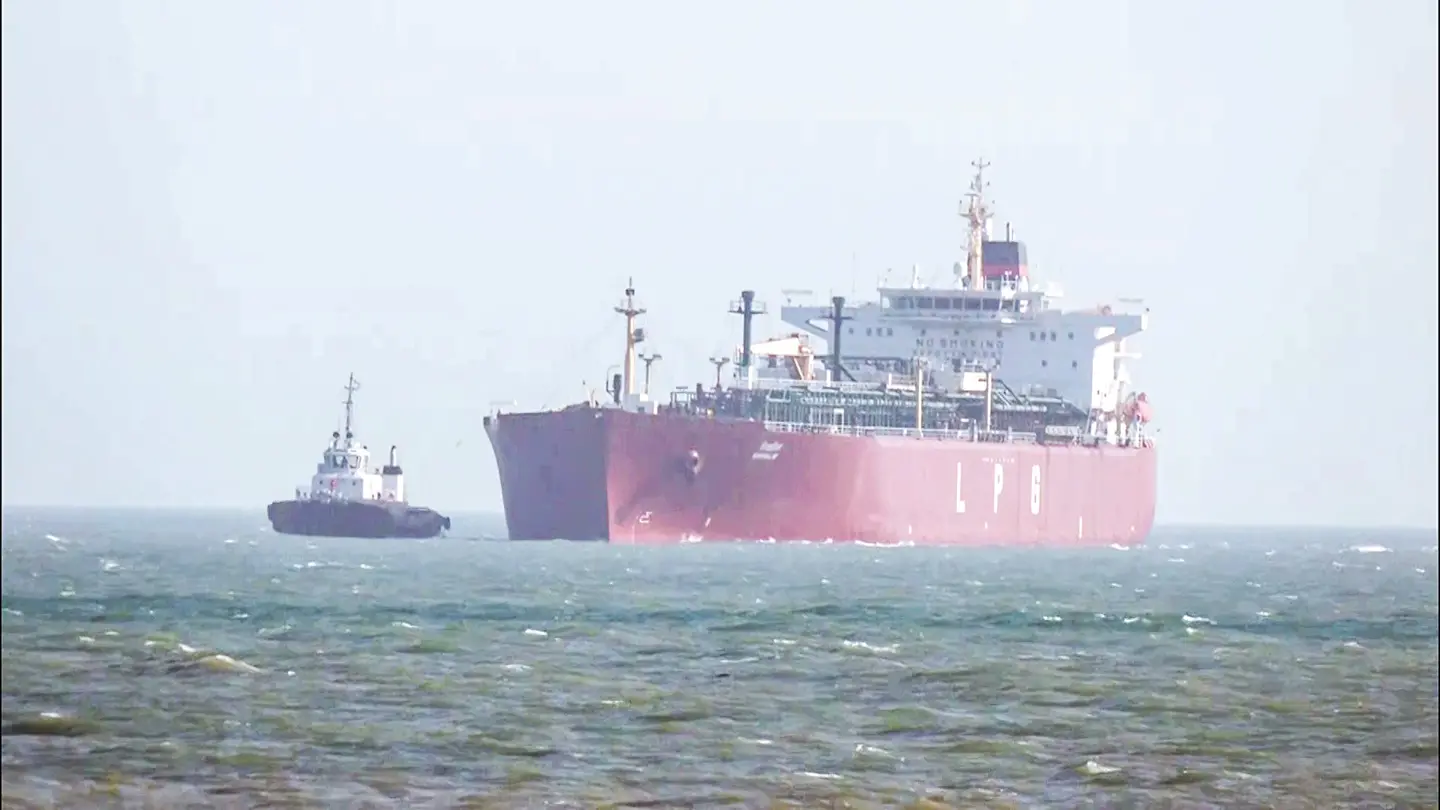
Kutch: The Deendayal Port Authority has directed that all vessels carrying Liquefied Petroleum Gas (LPG) be given priority berthing, following instructions from the Ministry of Ports, Shipping and Waterways to ensure uninterrupted domestic LPG supply.
In a circular issued on Monday, the port authority asked vessel agents to communicate the directive to their principals and stakeholders to facilitate smooth port operations and avoid delays. The instruction, dated March 10, emphasises that LPG-laden ships must receive priority docking to maintain the steady flow of cooking gas across India.
Strategic importance amid West Asia tensions
The move comes amid disruptions to maritime energy routes linked to tensions in West Asia, particularly around the Strait of Hormuz, a critical shipping corridor through which a substantial share of global oil and gas shipments pass.
In recent days, two Indian-flagged LPG carriers — Shivalik and Nanda Devi — successfully transited the Strait of Hormuz, carrying LPG cargo to Indian ports for domestic distribution.
Shivalik, inducted under the Indian flag in 2025, is a Very Large Gas Carrier capable of transporting tens of thousands of tonnes of LPG per voyage. The vessel arrived safely at Mundra Port around 5 p.m. on Monday.
The second tanker, Nanda Devi, is expected to reach Kandla Port on Tuesday. Together, the two vessels are carrying approximately 92,700 metric tonnes of LPG, underlining the importance of timely delivery for India’s energy security.
Also Read| Online LPG bookings climb across India: Consumers increasingly go digital
Officials said the transit of Shivalik and Nanda Devi is crucial for maintaining an uninterrupted domestic LPG supply, as India relies heavily on imports from the Gulf region.
The port authority’s directive to prioritise LPG berthing is part of broader efforts to ensure continuous energy supplies and smooth logistics amid ongoing global maritime uncertainties.
IANS