Justice Surya Kant appointed 53rd CJI; to assume office on Nov 24
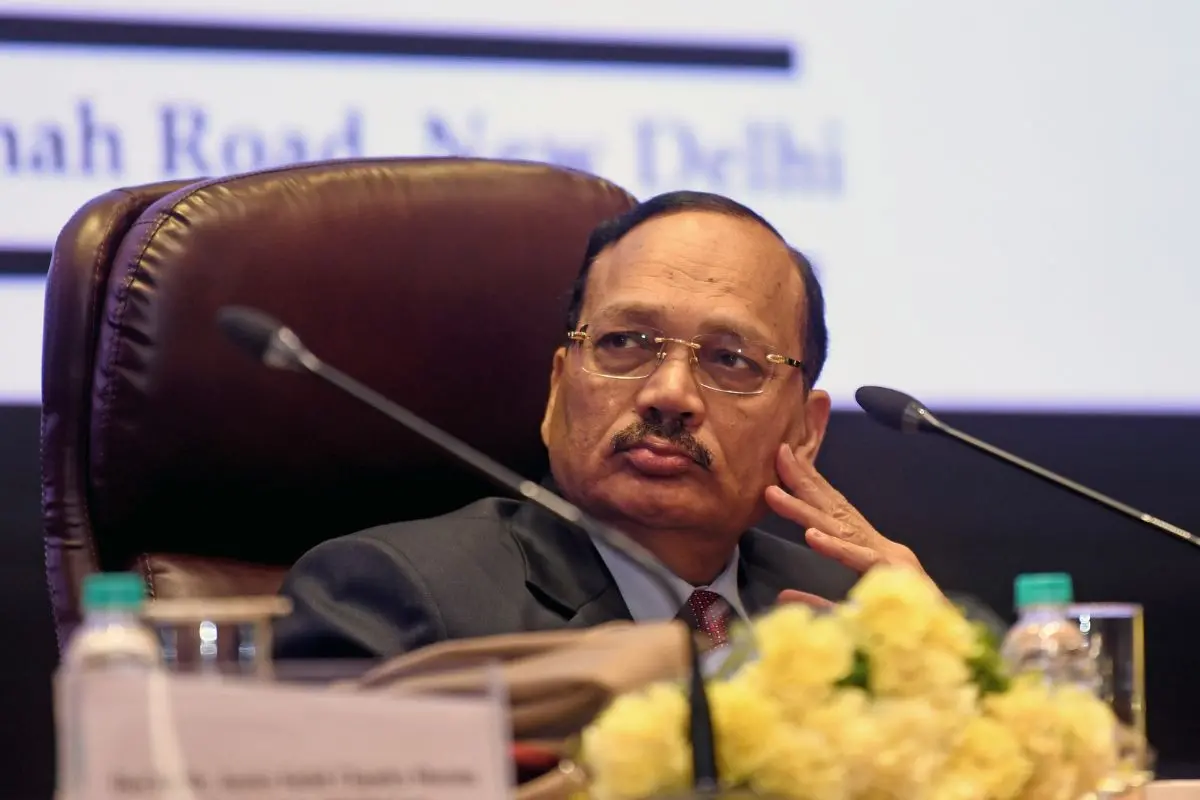
New Delhi: Justice Surya Kant was on Thursday appointed as the 53rd Chief Justice of India and will assume office on November 24, succeeding Justice Bhushan R Gavai, who retires a day earlier. The Department of Justice under the Union Law Ministry issued a notification confirming the appointment.
"In exercise of the powers conferred by the Constitution of India, the President is pleased to appoint Shri Justice Surya Kant, Judge of the Supreme Court of India, as the Chief Justice of India with effect from 24th November, 2025," Law Minister Arjun Ram Meghwal posted on X, extending his "heartiest congratulations and best wishes" to the new CJI.
Justice Surya Kant, born on February 10, 1962, in Haryana’s Hissar district, will serve as CJI for about 15 months before retiring on February 9, 2027. A Supreme Court judge since May 24, 2019, he has over two decades of judicial experience and is renowned for his rulings on matters of constitutional significance, including Article 370, free speech, democracy, corruption, environmental protection, and gender equality.
Justice Kant was part of the bench that put the colonial-era sedition law in abeyance, ordering that no new FIRs be lodged under it until the government completed its review. He had also urged the Election Commission to release details of 65 lakh excluded voters in Bihar, reflecting his stance on electoral transparency. Another of his landmark directives mandated that one-third of seats in Bar associations, including the Supreme Court Bar Association, be reserved for women.
He was also a member of the bench that appointed a committee led by former Supreme Court judge Justice Indu Malhotra to investigate the 2022 security breach during Prime Minister Narendra Modi’s Punjab visit, observing that such issues demanded "a judicially trained mind."
Justice Kant upheld the constitutional validity of the One Rank-One Pension (OROP) scheme for defence forces and is currently part of the bench examining gender parity for women officers in permanent commissions within the armed forces.
Among other key assignments, he served on the seven-judge bench that overturned the 1967 Aligarh Muslim University verdict, reopening debates on the institution’s minority status. He was also part of the bench overseeing the Pegasus spyware case, which appointed a panel of cybersecurity experts to probe unlawful surveillance allegations, asserting that "the state cannot get a free pass under the guise of national security."
With inputs from PTI