Is growth outpacing safety in India’s helicopter market?
Why MoCA must step up now!
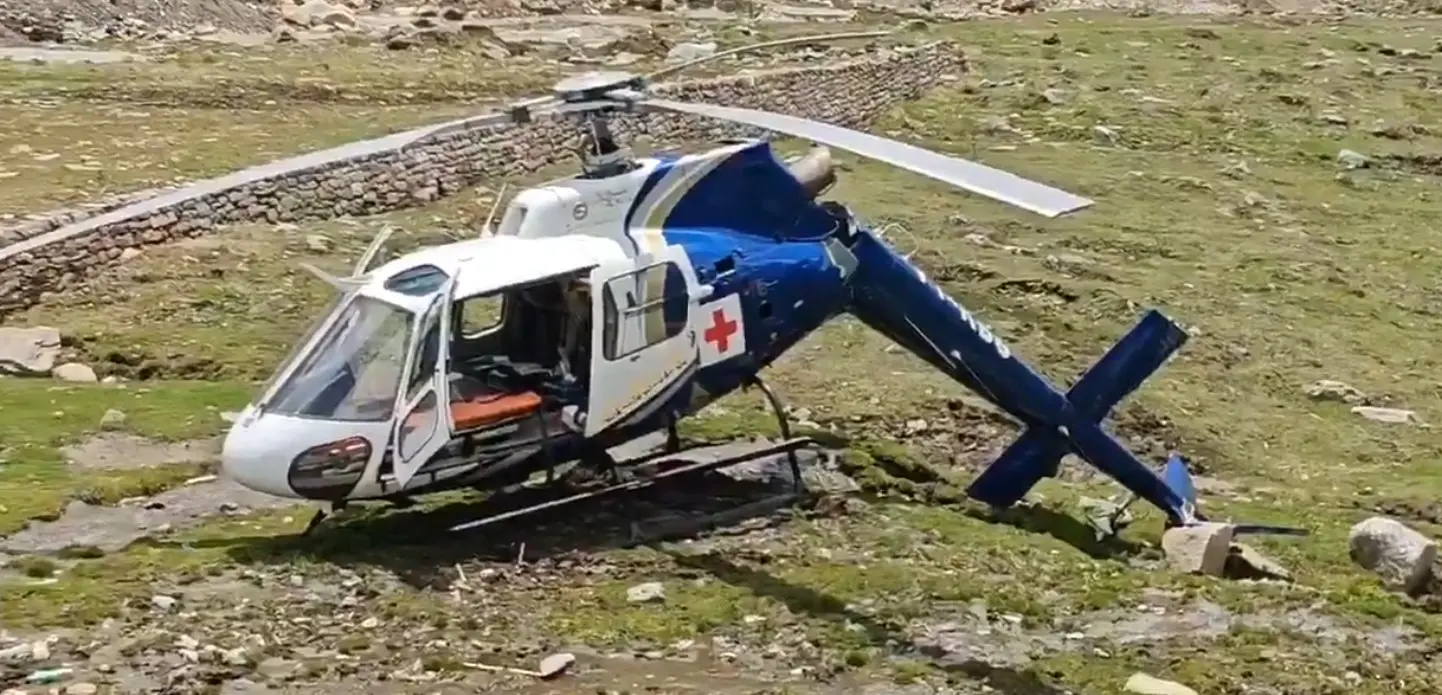
The recent string of helicopter crashes in India, five in just 45 days, including two fatal ones, has cast a long shadow over the country’s booming rotary-wing aviation sector. While India positions itself as a future hub for helicopter manufacturing and operations, the tragic loss of lives in Kedarnath and other high-altitude regions signals a glaring void in operational discipline, regulatory oversight, and strategic governance.
Alarming spike in accidents
According to data compiled from DGCA, between May 2 and June 12, 2025, India recorded five helicopter accidents:
| May 2 | A training chopper in Andhra Pradesh made an emergency landing |
| May 11 | A Pawan Hans chopper skidded during takeoff in Arunachal Pradesh |
| May 20 | A private helicopter crash-landed in Maharashtra |
| June 3 | Another technical snag incident in Himachal Pradesh |
| June 11 | The fatal Aryan Aviation crash at Kedarnath, claimed 7 lives |
This cluster of accidents has exposed deep cracks in oversight, SOP adherence, and possibly, pilot fatigue and technical neglect.
The question no longer is if the system is broken, but how soon the Ministry of Civil Aviation (MoCA) and the Directorate General of Civil Aviation (DGCA) can fix it.
A system in free fall?
Helicopter operations, especially in pilgrimage zones like Char Dham, are notoriously challenging, with thin air, unpredictable winds, mountainous terrain, and short turnaround times. But operational difficulty cannot be used as a blanket excuse. The flurry of accidents is increasingly pointing to a deeper malaise: poor adherence to standard operating procedures (SOPs), lax enforcement by authorities, and operators driven more by commercial gain than safety accountability.
Helicopters aren’t simply flying taxis; they are complex machines operating in high-risk airspace. Yet, current oversight mechanisms treat them as an afterthought compared to commercial airlines. This mindset needs urgent correction.
MoCA’s Role: From policy to policing
At the heart of the solution lies decisive action from MoCA. The ministry cannot continue issuing advisories and hoping for compliance. A fundamental shift in policy enforcement, operator certification, and real-time auditing is required.
What must MoCA do immediately?
- Mandate and Enforce Stringent SOPs:
Existing helicopter operations guidelines are often generic and left to operator interpretation. A new, codified rulebook, tailored for high-risk regions like Kedarnath, Vaishno Devi, and Northeast India, must be made mandatory. This should cover everything from mandatory simulator-based terrain familiarisation to fixed duty hours and staggered sortie spacing for pilots. - Audit Fatigue Management and Crew Rostering:
In accident after accident, pilot fatigue emerges as a hidden but critical factor. MoCA must enforce fatigue management protocols similar to fixed-wing commercial aviation, like monitoring flight hours, crew rotations, and mandatory rest periods via digital logs. - Launch Independent Safety Oversight Board for Helicopters:
India’s DGCA is already stretched thin overseeing airline operations. Rotary-wing aviation needs its dedicated safety oversight board with domain experts and independent investigative powers. - Establish a National Helicopter Operations Database:
A real-time dashboard covering flight hours, incident logs, maintenance schedules, and airworthiness status of every helicopter in India can be a game-changer. Transparency here will deter non-compliance and incentivise best practices. - Institutionalise Pre-Season Safety Audits for High-Altitude Ops:
Operators flying in the Char Dham or Amarnath must pass a compulsory safety audit every season before getting operational clearances. No audit, no ops.
Penalties: No Room for Laxity
Safety must come with teeth. Mere suspension of licenses post-incident is reactive and inadequate. MoCA and DGCA must usher in:
- Hefty Monetary Penalties for SOP violations tied to severity and recurrence.
- Blacklist Mechanism for repeat offenders revoking licenses and even banning operator fleets from critical routes.
- Accountability Clause, like fixing direct responsibility on the accountable manager, director of operations, or maintenance head for every preventable mishap.
- Passenger Compensation Rule that ensures every victim’s family receives swift and fair reparation, even when insurance processes drag.
Until operators feel the real financial and reputational cost of a crash, deterrence will remain weak.
The Growth Paradox: Opportunity vs. Oversight
India’s helicopter market is one of the fastest-growing globally. The upcoming MAX Aerospace plant in Nagpur, Airbus’s FAL plans, and HAL’s increasing LUH and ALH orders all point to a golden age for rotary-wing aviation in the country. The Ministry of Civil Aviation projects a 5X increase in regional air connectivity and heliports by 2030.
But the big question is: At what cost?
Will India become the next helicopter hub on the back of rising crash statistics? Or will it lead by example in setting the global benchmark for safe vertical mobility?
For that to happen, India must invest equally in pilot training ecosystems, improve OEM-operator collaborations on predictive maintenance, adoption of terrain-specific technology (e.g., obstacle warning systems, weather radar) and decentralised MRO capacity in high-density zones.
Conclusion: Wake-up call
The Kedarnath crash is not just another tragic footnote. It is a systemic failure of oversight, of operational ethics, and regulatory foresight. If India is to lead the helicopter revolution in Asia, it must also lead in safety.
MoCA has a choice: Act now with authority, or wait for the next body count to issue a press statement.
Because in aviation, especially when lives hang by a rotor, compliance delay is a catastrophe confirmed.