Citizens in Gulf; trade-fuel concerns: How will Israel-Iran tensions affect Indians?
Families across India could soon feel the sting of the escalating conflict between Iran and Israel at the petrol pump and the dinner table. While the combat operations remain miles away, the ripples are likely to reach local markets through higher transport costs and more expensive groceries.
Potential for rising costs and daily struggles
India is heavily dependent on the outside world for energy, importing nearly 90% of its crude oil. Roughly half of these imports pass through the Strait of Hormuz, a narrow waterway that Iran has reportedly begun to block. If this vital route remains high-risk, oil prices could climb towards $100 or even $130 per barrel.
For the average person, this is likely to mean more than just pricier fuel. Higher petrol and diesel costs generally drive up the price of transporting vegetables and essential goods, potentially fuelling domestic inflation. Furthermore, the Indian rupee has already weakened to around 91 against the US dollar. This makes everything India buys from abroad more expensive, putting extra pressure on household budgets.
Market jitters and stalled exports
The financial world is already showing signs of nerves. Small-scale investors might notice their portfolios shrinking as the Nifty and Sensex have seen sharp falls. Foreign investors are pulling billions out of Indian equities, and the IT sector is facing a strengthening downtrend. Even the IPO market is cooling, with only one new offer scheduled for the coming week.
Local producers are also facing an uncertain future:
Rice and Tea: Exports of Basmati rice and premium tea to Iran and the Middle East have virtually halted.
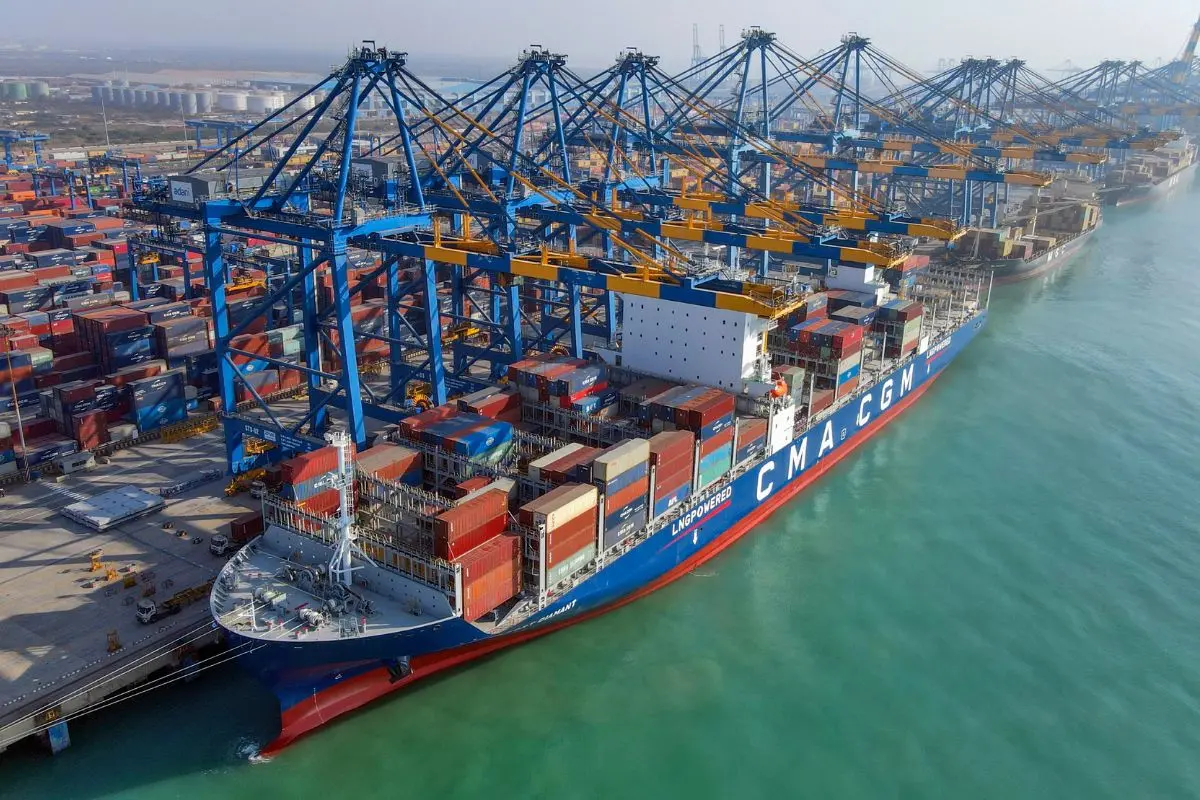
Shipping Delays: Cargoes to the West may have to be rerouted around the Cape of Good Hope, adding up to 20 days to delivery times.
Higher Costs: Freight rates and insurance premiums are likely to surge, making Indian goods less competitive.
India looks to safety nets as trade routes face risk
To protect the economy, the government may deploy strategic petroleum reserves to bridge short-term gaps in oil supply. Refiners might also pivot back to buying more Russian crude if Middle Eastern supplies become too difficult to secure.
While direct trade with Iran is relatively small, the presence of millions of Indian citizens in the Gulf and the risk of wider regional instability remain major concerns for New Delhi. For now, the focus remains on keeping diplomatic channels open and ensuring that energy flows and the diaspora remain protected.