IndiGo cancels over 500 international flights amid Middle East airspace restrictions
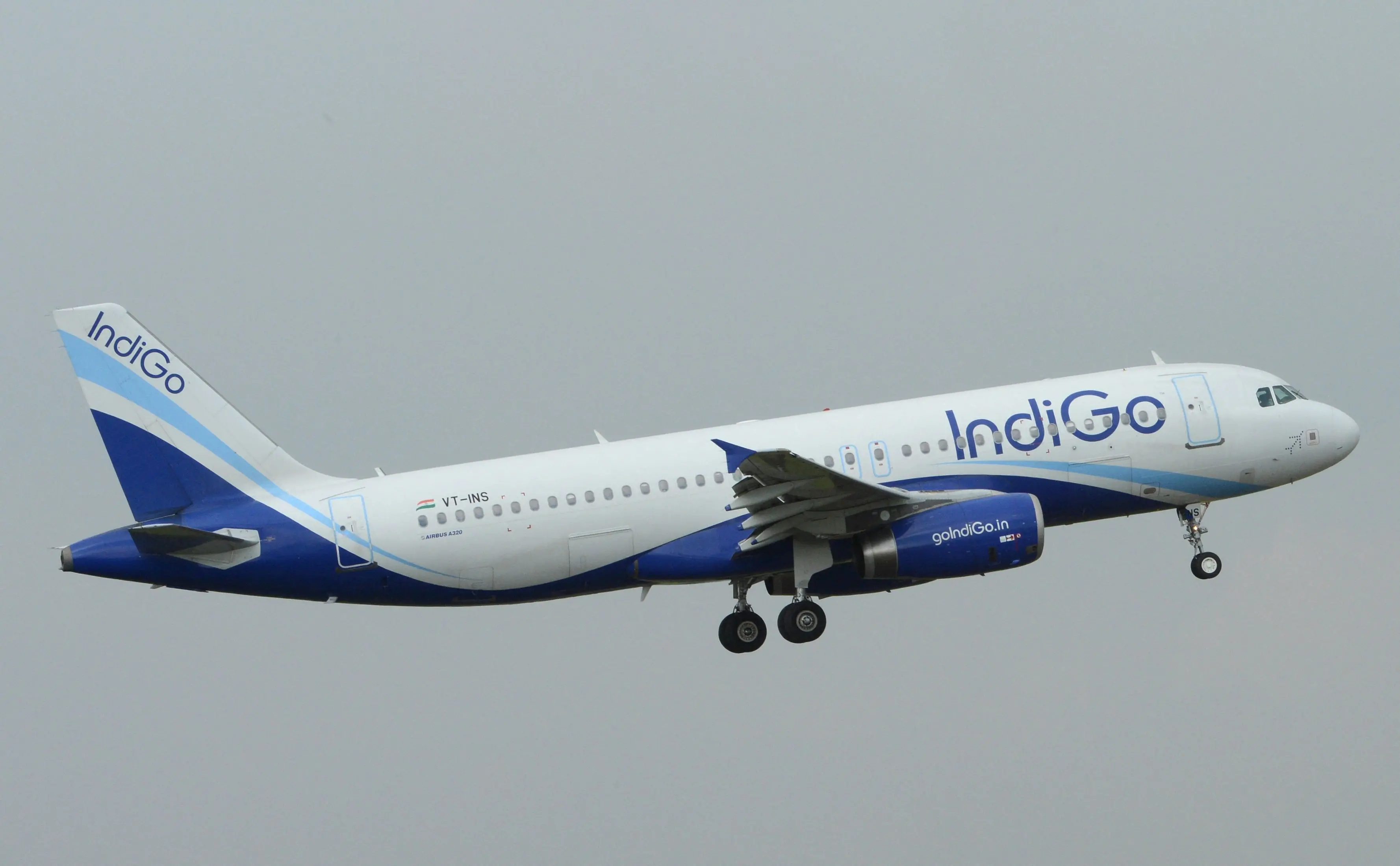
IndiGo has cancelled more than 500 international flights between February 28 and March 3, 2026, citing evolving airspace restrictions and escalating tensions across parts of the Middle East.
In a stock exchange filing dated March 4, the airline said the cancellations affected services to the Middle East and select international destinations as it recalibrated operations in response to restricted airspace over Iran and surrounding regions.
“Our operational teams are continuously assessing the evolving regional developments, recalibrating flight schedules, and planning repatriation operations in coordination with relevant authorities in India and the respective international jurisdictions, with the objective of minimising disruption to passengers,” the airline said.
The disruption weighed on investor sentiment, with IndiGo’s shares trading 4.6 per cent lower at ₹4,310.4 apiece on March 4.
While international operations faced turbulence, domestic passenger traffic showed resilience. According to industry data, domestic air passenger traffic rose 7 per cent month-on-month in January 2026 to 15.3 million passengers, marking a 4 per cent year-on-year increase.
ALSO READ | ‘There will be no deal with Iran except unconditional surrender’: Trump
IndiGo recorded year-on-year passenger growth, though its domestic market share declined following the surrender of certain flight slots due to Flight Duty Time Limitations (FDTL) implementation. The airline’s domestic market share stood at 63.6 per cent in January 2026, compared with 59.6 per cent month-on-month and 65.2 per cent year-on-year.
Meanwhile, Indian carriers have initiated special operations to assist stranded passengers in the Gulf region. Airlines including IndiGo, Air India, Air India Express and SpiceJet are operating over 12 special flights to key cities in Saudi Arabia and the United Arab Emirates to facilitate passenger repatriation.
Additional special services to the Middle East are also scheduled to operate on Wednesday, subject to airspace availability and regulatory clearances.
ALSO READ | Dubai phones buzz with ‘potential missile threat’ alert as Middle East tensions escalate
The developments underline the sensitivity of India’s international aviation network to geopolitical disruptions in West Asia, a region that accounts for a significant share of outbound traffic, labour mobility and airline revenues. Prolonged instability could not only affect airline profitability but also test schedule resilience and capacity planning in one of India’s most critical aviation corridors.