Indian tanker carrying over 80,000 tonnes of crude departs Fujairah safely after terminal attack
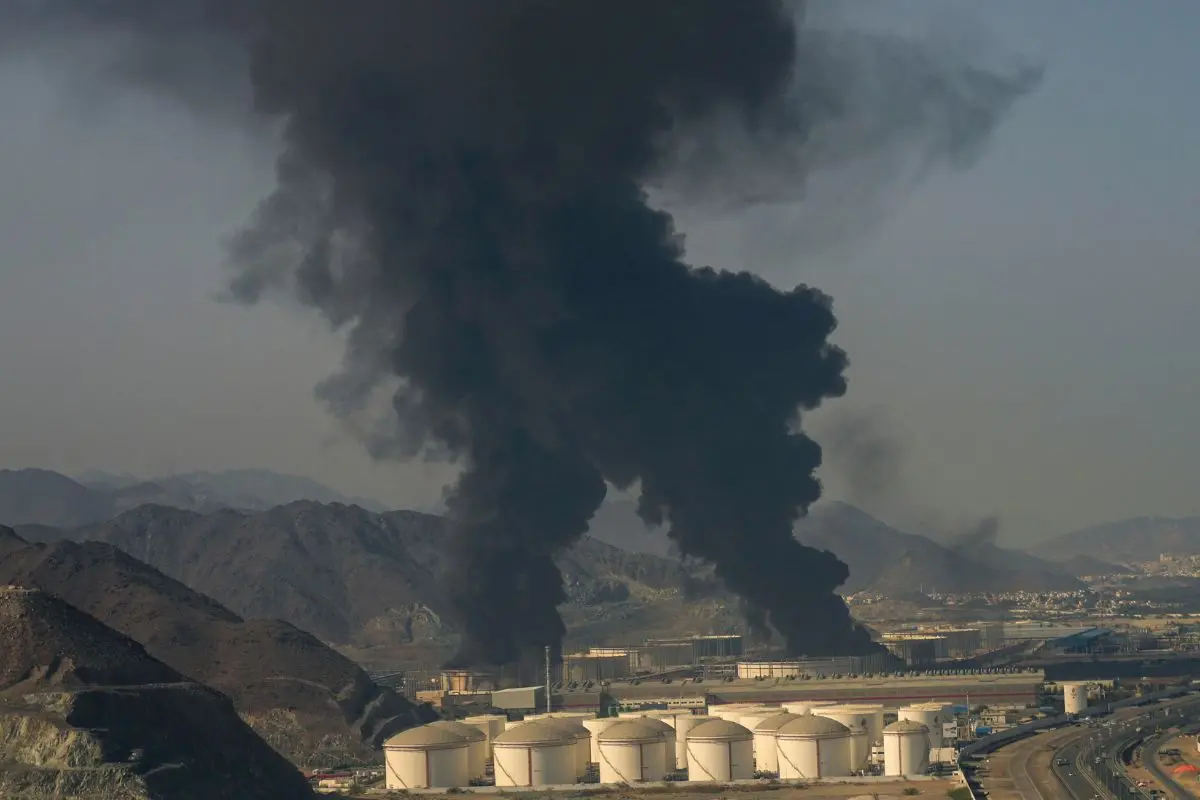
New Delhi: An Indian-flagged crude oil tanker, Jag Laadki, has safely departed from the UAE’s Fujairah port after loading oil, despite an attack on the oil terminal during operations. The government confirmed on Sunday that it is closely monitoring developments in West Asia while ensuring the stability of fuel supplies and maritime safety.
The vessel, carrying approximately 80,800 tonnes of Murban crude oil, left Fujairah at 1030 hrs IST and is en route to India. Authorities stated that all crew members are safe.
Jag Laadki
According to officials, Jag Laadki is the fourth Indian-flagged vessel to exit the conflict-affected region without incident, marking what has been described as an important milestone for India’s maritime diplomacy. The shipment is considered strategically significant, particularly as disruptions in the Strait of Hormuz have affected India’s energy imports.
The government noted that on 14 March 2026, while the vessel was loading crude at the Fujairah Single Point Mooring, the oil terminal came under attack. Despite the incident, the tanker completed its loading operations and sailed safely.
In related developments, two Indian-flagged LPG carriers, Shivalik and Nanda Devi, crossed the Strait of Hormuz on Saturday while carrying a combined 92,712 tonnes of LPG. Both vessels had previously been stranded due to tensions in the region. Shivalik is expected to arrive at Mundra port in Gujarat on 16 March, while Nanda Devi is scheduled to dock at Kandla port on 17 March.
The ships were among 24 vessels stranded on the western side of the Strait following the outbreak of conflict in the region. Four additional vessels were positioned on the eastern side. One of these, the Indian-flagged oil tanker Jag Prakash, carrying gasoline from Oman to Tanzania, successfully crossed the strait on Friday and is expected to reach Tanga on 21 March.
The government reiterated that Indian vessels and seafarers operating in the region remain safe, with maritime activities under continuous review. Currently, 22 Indian-flagged ships carrying 611 seafarers remain on the western side of the Persian Gulf.
India’s energy requirements
India relies heavily on imports for its energy requirements, sourcing approximately 88 per cent of its crude oil, 50 per cent of its natural gas and 60 per cent of its LPG from overseas. Prior to recent military strikes in the region and subsequent retaliation, more than half of India’s crude imports, along with the majority of its gas and up to 90 per cent of its LPG, originated from West Asian countries including Saudi Arabia and the UAE.
The ongoing conflict has contributed to disruptions in the Strait of Hormuz, a critical global energy transit route. While India has partially mitigated crude supply challenges by diversifying sources — including increased imports from Russia — gas supplies to industrial users have been reduced, and LPG availability to commercial establishments such as hotels and restaurants has been curtailed.
The Directorate General of Shipping continues to coordinate with shipowners, recruitment agencies and Indian diplomatic missions. Since the activation of its control room, thousands of calls and emails have been handled from seafarers, families and maritime stakeholders seeking assistance and updates.
So far, 276 Indian seafarers have been repatriated from the Gulf region, including 23 within the past 24 hours.
Authorities confirmed that ports across the country are closely monitoring vessel movements and cargo operations. The Ministry of Shipping is working in coordination with the Ministry of External Affairs, Indian missions, shipping companies and other stakeholders to safeguard seafarers while maintaining continuity in maritime trade and port activity.
(PTI)