No FASTag? Will you lose toll exemptions under new highway rules?
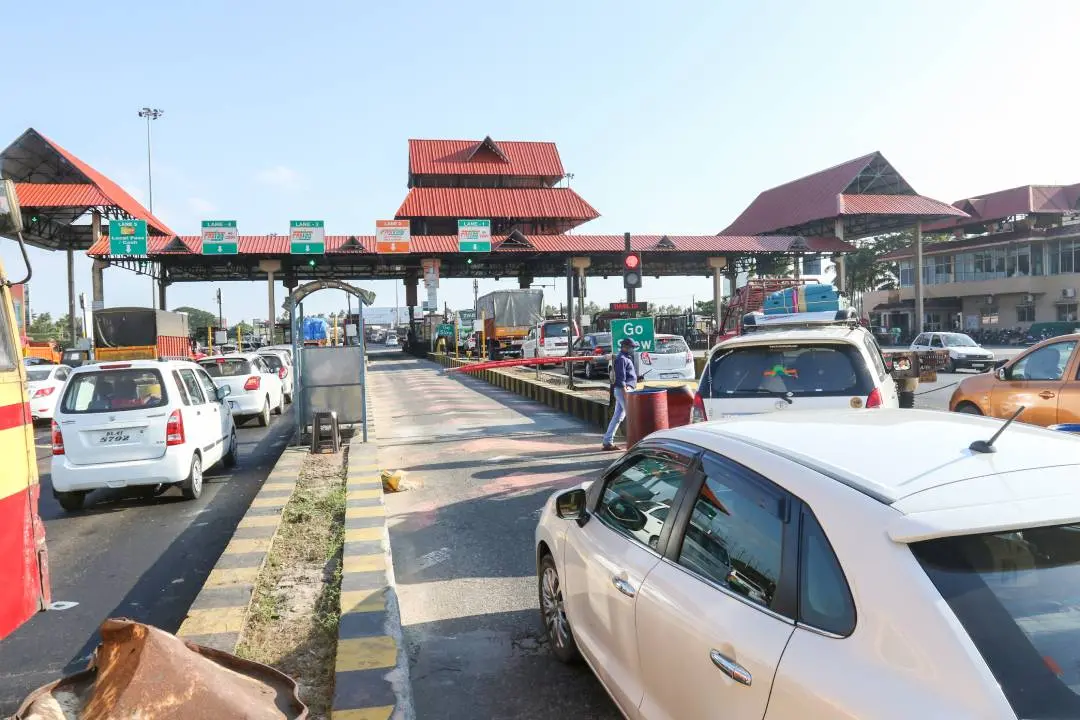
The Government of India has announced that toll payments across national highways will be fully digital from April 10, 2026. Cash transactions at toll plazas will no longer be accepted, marking a significant step under the Digital India initiative.
The National Highways Authority of India has confirmed that FASTag will remain the primary method of toll collection, while UPI platforms such as Google Pay and PhonePe will serve as alternative payment options.
Why the rule was introduced
The decision comes after repeated instances of misuse, where private vehicles were allowed to pass toll booths without payment under the pretext of official identity.
Authorities found that this practice led to revenue losses, disputes at toll plazas, and inconsistencies in enforcement across different locations. By removing ID-based exemptions, the system aims to ensure fairness and accountability for all road users.
FASTag becomes the only valid exemption route
Under the new rules, toll exemptions will now be granted only through authorised FASTag systems. Vehicles eligible for exemption must carry officially issued “exempted FASTags,” which are digitally verified.
This ensures that only genuinely authorised vehicles—such as emergency services or designated government vehicles—can avail toll-free travel.
Impact on government personnel
Government officials travelling in private vehicles will no longer receive toll exemptions based solely on their designation or ID cards.
Instead, they must either pay tolls like regular users or use vehicles equipped with approved exempted FASTags. This marks a clear distinction between official and personal travel.
Part of a larger digital overhaul
The move is part of a broader push towards a fully digital toll collection system. Alongside making FASTag mandatory and introducing UPI as a backup payment option, authorities are working to eliminate manual intervention at toll plazas.
This transition is expected to reduce congestion, minimise disputes, and create a more efficient highway travel experience.
What it means for commuters
For everyday commuters, the rule simplifies the system by removing ambiguity around exemptions. Everyone is subject to the same digital payment process unless officially authorised through FASTag.
The change is also expected to speed up toll operations and reduce delays caused by manual verification of ID cards.
According to a gazette notification, vehicles entering toll plazas without a valid FASTag will still be allowed to proceed, but users will have to pay through the Unified Payment Interface (UPI) at a higher charge—1.25 times the applicable toll fee.
A senior official from the National Highways Authority of India said the move is aimed at reducing congestion and ensuring smoother traffic flow at toll gates.
The official confirmed that cash payments will no longer be accepted, with FASTag continuing as the primary mode of toll collection. UPI will act as a fallback option for vehicles that do not have a valid FASTag.
"If the user of a vehicle enters a fee plaza without a FASTag or a valid functional FASTag, as the case may be, and opts to pay fee through the Unified Payment Interface (UPI), he shall pay 1.25 times of the user fee applicable to that category of vehicle in accordance with the provisions of sub-rule (2) of rule 4."
"Provided that if the owner or driver of the vehicle does not opt to pay a fee in the manner specified under this rule, such vehicle shall be dealt in accordance with rule 14," the notification said.
The NHAI has also reported strong adoption of its FASTag annual pass, which allows users to make up to 200 toll crossings for Rs 3,000 per year. Since its launch on August 15, a total of 26.55 crore transactions have been recorded through these passes.
Currently, there are more than 1,150 fee plazas operating across national highways and expressways in India.