From Uri to Sindoor: The timeline of India’s surgical strikes so far
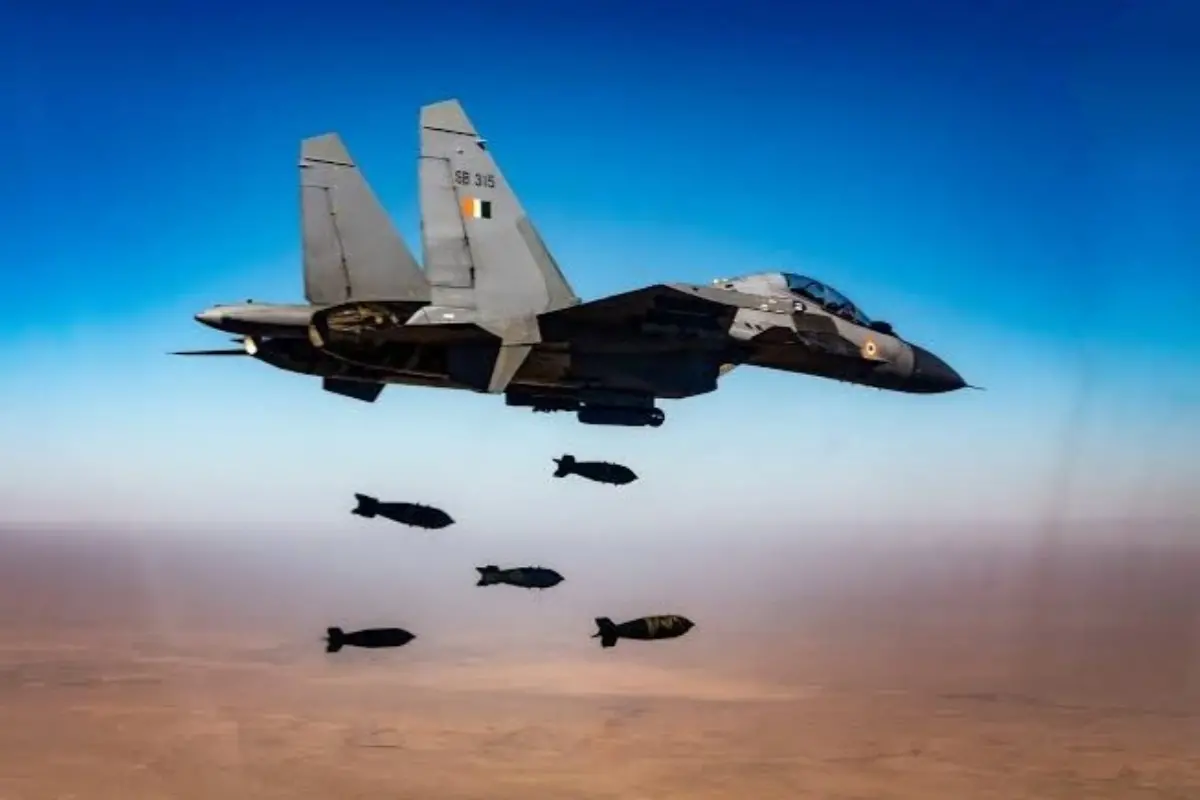
New Delhi: India has conducted three major surgical strikes against Pakistan or Pakistan-occupied Kashmir (PoK) in response to high-casualty terror attacks that targeted Indian security forces and civilians.
Each strike was carefully timed, taking place within two weeks of the trigger incident, and marked a significant shift in India's military posture towards cross-border terrorism.
1. Uri Surgical Strike – 2016
Date of strike: 28 September 2016
Trigger: On 18 September 2016, four terrorists attacked an Indian Army base in Uri, Jammu & Kashmir, killing 19 soldiers.
Gap: 11 days after the terror attack
Operation details: Indian Army commandos crossed the LoC and destroyed seven launchpads used by militants in PoK.
Casualties (Indian claim): Estimated 35–40 terrorists killed.
Pakistan’s response: Denied the strike occurred, calling it cross-border firing.
2. Balakot Air Strike – 2019
Date of strike: 26 February 2019
Trigger: On 14 February 2019, a Jaish-e-Mohammed suicide bomber killed 40 CRPF personnel in Pulwama, Jammu & Kashmir.
Gap: 13 days after the Pulwama attack
Operation details: Indian Air Force Mirage-2000 jets bombed a JeM training camp in Balakot, in Pakistan's Khyber Pakhtunkhwa province.
Casualties (India's statement): A large number of terrorists were killed; no official figure provided.
Pakistan’s response: Conducted retaliatory airstrikes on 27 February and captured IAF Wing Commander Abhinandan Varthaman, who was later returned.
3. Operation Sindoor – 2025
Date of strike: 6 May 2025
Trigger: On 22 April 2025, a terror attack in Pahalgam, Jammu & Kashmir, killed 28 Hindu civilians, reportedly carried out by Jaish-e-Mohammed.
Gap: 15 days after the Pahalgam attack
Operation details: India launched precision air and missile strikes from its territory, targeting nine terror camps in Pakistan and PoK.
Casualties (as per Indian defence sources): Over 50 terrorists and handlers killed.
Pakistan’s response: Claimed civilian casualties and retaliated with heavy shelling along the LoC.
India’s surgical strikes against Pakistan have demonstrated a clear and escalating shift in its counter-terrorism doctrine—from limited, covert operations to long-range, high-precision strikes that signal both tactical and strategic assertiveness.
The 2016 Uri strike marked the first publicly acknowledged cross-border raid, involving Indian Army commandos infiltrating Pakistan-occupied Kashmir (PoK) to destroy terrorist launchpads. It was significant not only for its execution but also for India’s decision to publicise it, breaking with decades of strategic restraint.
In 2019, the Balakot air strike took that doctrine further by targeting a Jaish-e-Mohammed training camp deep inside Pakistan’s Khyber Pakhtunkhwa province using Indian Air Force jets. This operation marked India’s first aerial attack across the International Border since the 1971 war, establishing air power as a central pillar of retaliation. The most recent and advanced example came with Operation Sindoor in 2025, where India, for the first time, relied solely on stand-off missile and drone capabilities launched from within Indian territory, hitting terror camps in both PoK and mainland Pakistan.
This evolution—from manned ground raids to unmanned remote precision strikes—reflects India’s increasing reliance on technology-driven warfare, minimising risk to its personnel while maximising tactical surprise and international signalling. Each successive strike has not only increased in range and sophistication but also in geopolitical impact, redefining deterrence in the India-Pakistan conflict paradigm.