Record electricity demand in India amid extreme heatwave: Can the grid keep up?
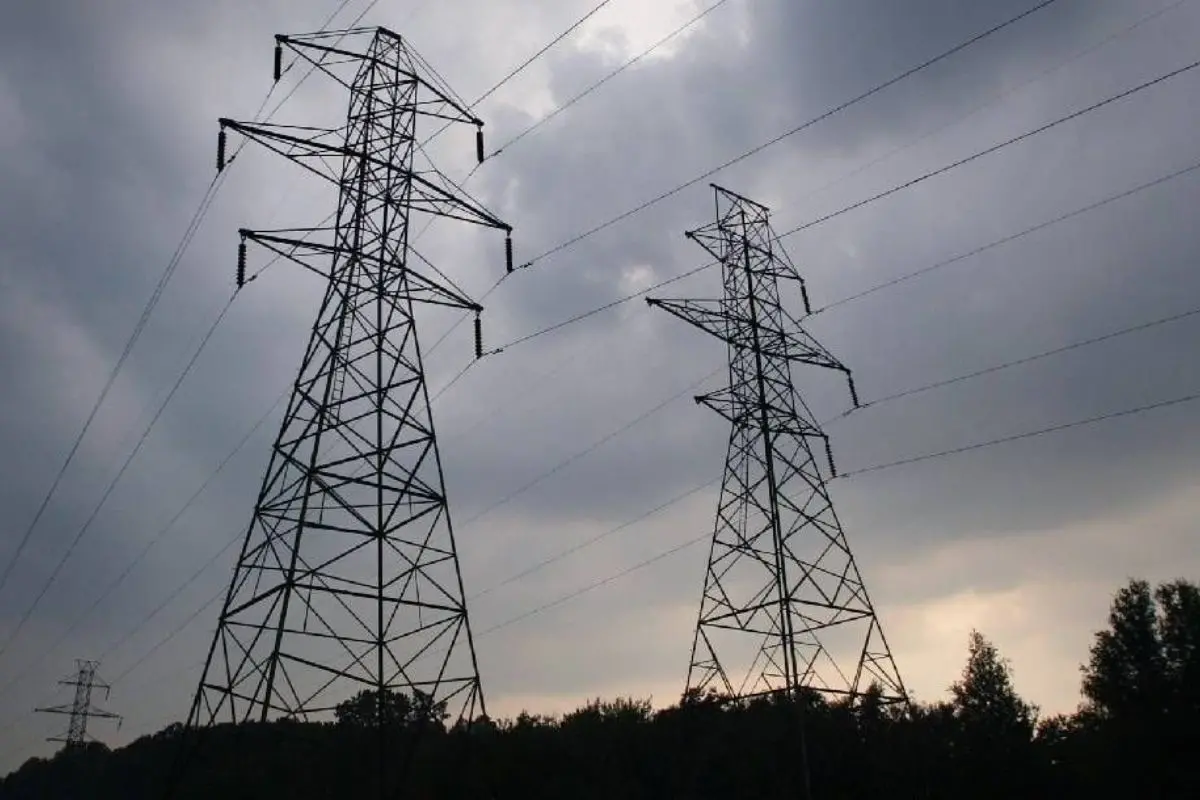
India’s power grid is under significant strain as peak electricity demand climbed to a record 256 GW in late April, driven by soaring temperatures across large parts of the country.
With temperatures crossing 45°C in several regions, the use of air conditioners and cooling appliances has sharply increased electricity consumption.
Data from the Ministry of Power India shows that demand has consistently hovered near record levels, including 255.85 GW on April 27, marking one of the highest levels ever recorded. Experts expect demand to rise further, potentially touching 270 GW in the coming weeks as summer intensifies.
Heatwave drives coal and gas usage
To meet the spike in demand, India has ramped up coal-based power generation, which remains the backbone of the country’s electricity supply. Coal-fired output has reached around 187 GW, while gas-based plants are also being utilised to bridge the gap.
Despite increasing solar generation during daylight hours, fossil fuels continue to play a critical role in ensuring grid stability during peak demand periods. Coal demand from power plants is projected to rise significantly during the April–June quarter.
Global energy shock adds pressure
The surge in domestic demand comes at a time when global energy markets are under stress due to disruptions linked to the Strait of Hormuz, a critical oil transit route. Supply constraints have pushed crude oil prices higher, increasing costs and uncertainty across energy markets.
This global disruption has also accelerated the shift towards alternative energy sources, with countries seeking to reduce dependence on volatile fossil fuel imports.
China emerges as clean energy supplier
Amid the global energy crunch, China has seen a sharp rise in exports of clean energy technologies, including solar panels, batteries, and electric vehicles. Countries are increasingly turning to these solutions to stabilise their energy supply and reduce exposure to oil price shocks.
The surge in clean energy deployment reflects a broader structural shift in global energy systems, where renewables are playing a larger role in meeting demand.
Europe accelerates renewable transition
In response to the ongoing crisis, European Union nations are pushing ahead with plans to expand renewable energy capacity and reduce reliance on imported fossil fuels. Measures under consideration include tax cuts on electricity and faster rollout of clean energy infrastructure.
Energy experts view the current situation as a turning point, reinforcing the need for long-term energy security through diversification and sustainability.
What lies ahead for India
For India, the immediate challenge remains managing peak demand during extreme weather conditions while ensuring reliable supply. The rising frequency of heatwaves, flagged by the India Meteorological Department, suggests that such demand spikes could become more common.
In the longer term, the situation underscores the importance of expanding renewable energy capacity, improving grid resilience, and balancing energy security with sustainability goals.