India plans to run Hydrogen trains on heritage routes
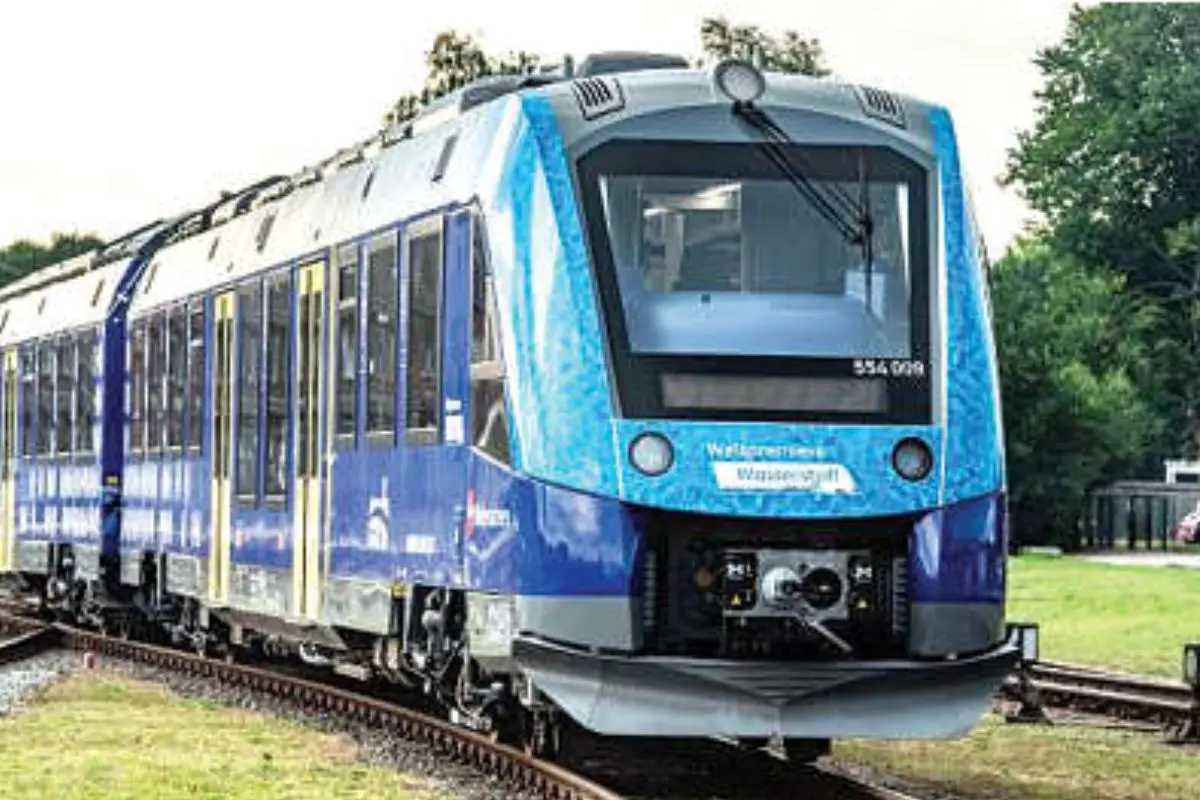
Kochi: Indian Railways is considering deploying zero-emission hydrogen trains on its heritage rail routes. More than 30 locations, including Ooty, Darjeeling and Kalka–Shimla, have been identified for the project.
Due to the unique geographical terrain of these regions, track expansion is not feasible. Erecting electricity poles and running overhead cables would also mar the natural beauty. Furthermore, construction is extremely difficult owing to the presence of numerous tunnels and sharp curves. Because the trains currently operating on these lines cause environmental pollution, Indian Railways is evaluating hydrogen trains, which emit only water vapour, as a solution.
Last week, India inaugurated the world's most powerful hydrogen train. Prime Minister Narendra Modi dedicated the service, running between Jind and Sonipat in Haryana, to the nation. While 98 per cent of the country's rail networks have already been electrified, operating hydrogen trains is currently not cost-effective. However, costs are expected to fall as technology advances. For now, the focus remains on specialised routes where supplying electricity is challenging.
Heritage tracks in nature’s lap
Darjeeling Himalayan railway: Known as the 'Toy Train', this narrow-gauge railway stretches 86 kilometres and was built by the British in 1881. The line runs from New Jalpaiguri in West Bengal to Darjeeling, offering a rare journey through the Himalayan foothills. Ghum, India's highest railway station, lies six kilometres from Darjeeling.
Kalka–Shimla railway: Connecting Kalka in Haryana to Shimla in Himachal Pradesh, this 96-kilometre mountain railway was designated a UNESCO World Heritage Site in 2008. It offers a scenic journey through mountains and tunnels, passing 20 railway stations, numerous bridges, and tunnels along the route.
Nilgiri Mountain railway (Ooty): Famous through numerous films, the 46-kilometre Ooty line features India's slowest train service, travelling at an average speed of 10.4 km/h. The five-hour journey from Mettupalayam to Ooty navigates 16 tunnels, 250 bridges, and 208 curves.