India's peak power demand hits record 252 GW as heatwave intensifies
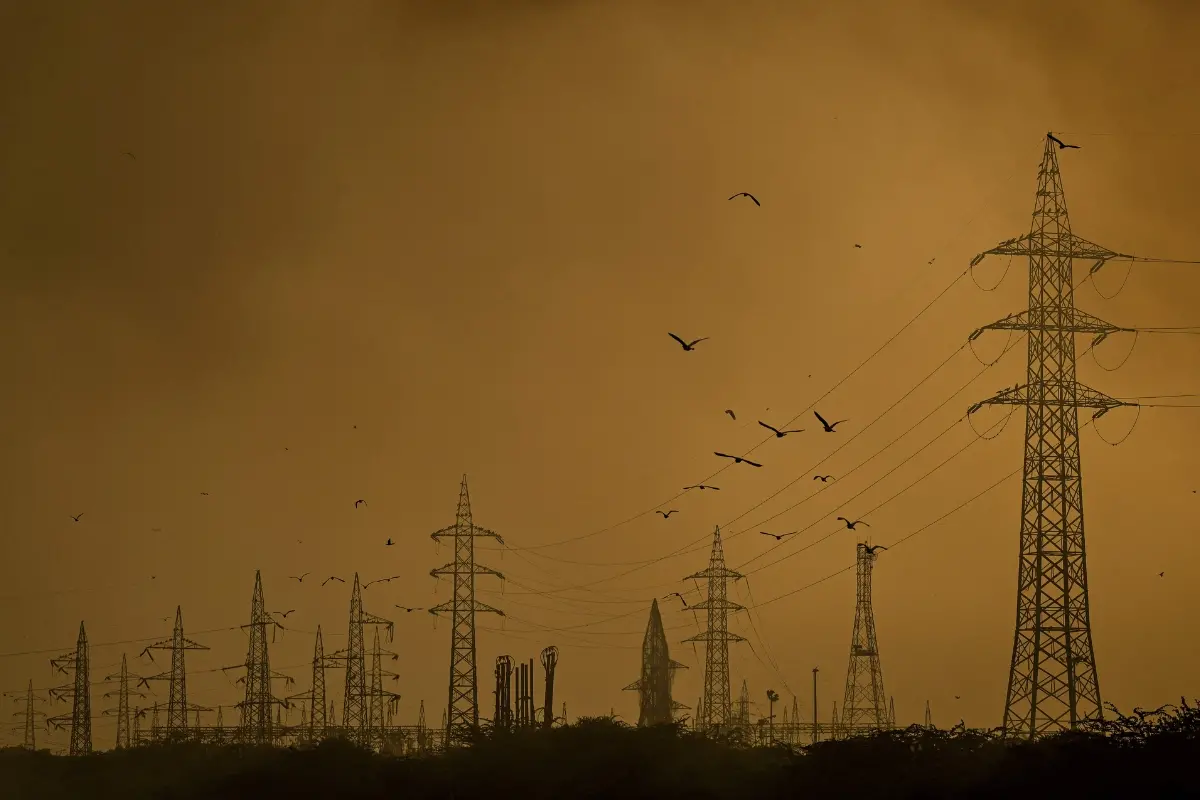
India's peak electricity demand surged to an all-time high of 252.07 GW on Friday, April 24, as an intensifying heatwave drove millions to switch on air conditioners, desert coolers and fans, according to power ministry data.
The record shattered the previous peak of approximately 250 GW set in May 2024, and marked a dramatic jump from 240.12 GW recorded just a day earlier on April 23. On April 22, peak demand stood at 239.70 GW.
Also Read: Kerala heatwave response: Self-lockdown advised for at-risk groups; amoebic infection warning issued
The speed of the demand spike underscored the severity of the current heatwave.
In the first fortnight of April, peak power demand had remained below the 235.32 GW recorded in April 2025. By the final week of the month, however, scorching temperatures across northern, central and eastern India pushed consumption sharply higher.
The India Meteorological Department (IMD) warned on April 24 that heatwave conditions would persist across the plains of northwest and central India for the next three to four days.
Also Read: What’s behind Kerala’s power disruptions? Load shedding, cuts and KSEB’s strain explained
Temperatures in Delhi were forecast to reach 44°C, with states including Rajasthan, Uttar Pradesh, Madhya Pradesh, Maharashtra and Odisha all experiencing readings between 43°C and 45°C.
The IMD also noted "warm night" conditions in parts of Haryana, Delhi and Odisha, offering little overnight relief.
Grid under pressure
Experts have warned that demand could climb further as May and June -- typically the hottest months -- approach. The power ministry had estimated peak summer demand at around 270 GW for this year.Also Read: Load shedding blues: 7 smart everyday fixes to beat sudden power cutsLast summer, demand peaked at just 242.77 GW in June 2025, well below the government's earlier projection of 277 GW.
India's installed power generation capacity stood at 520.51 GW as of January 2026, with non-fossil fuel sources accounting for over 52 per cent of the total.
During financial year 2025–26, a record 52,537 MW of new generation capacity was added, including nearly 40,000 MW from renewable sources.
Despite these additions, analysts have flagged a potential 10–12 GW supply gap during evening peaks, when solar output drops to zero and cooling demand remains high.
The IMD's extended range outlook issued on April 23 forecast heatwave conditions continuing through the first week of May, with maximum temperatures expected to remain appreciably above normal across large parts of the country.