Syringes, IV bags under threat: Iran war triggers massive polypropylene shortage in India
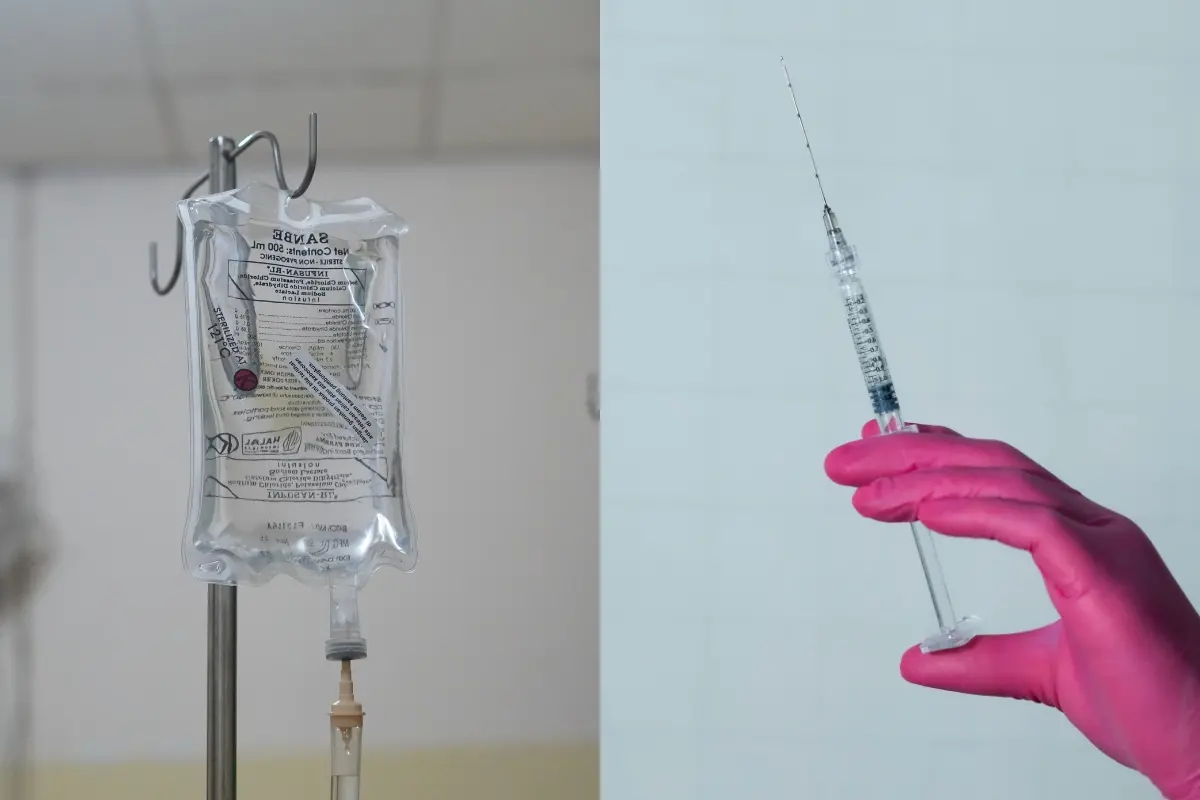
India's medical device industry is grappling with a severe polypropylene shortage driven by the Iran war, as surging raw material costs and a deepening natural gas crisis threaten the production of essential healthcare supplies, including syringes, IV bags, blood bags, and catheters.
Prices spike as Middle East conflict disrupts supply chains
Polypropylene prices have risen by more than Rs 55 per kg since December, with industry experts telling The Economic Times that the pace of increase in March has been unprecedented, surpassing even the disruptions seen during the Covid-19 pandemic. Plastic raw material prices have surged 25–35% in just 10 to 12 days, according to Himanshu Baid, managing director of Poly Medicure, a major exporter of medical consumables.
The price shock traces directly to the conflict in Iran, which has effectively shut down the Strait of Hormuz, the passage through which roughly 20% of global crude oil and natural gas flows. Qatar declared force majeure on its gas exports after Iranian drone strikes, with analysts estimating at least a month to restore production. Major Indian polymer producers, including Reliance Industries, have announced successive price hikes throughout March, with domestic PP prices climbing by thousands of rupees per metric ton in repeated rounds of revisions.
Gas rationing compounds the crisis
Adding to the strain, Adani Total Gas has rationed industrial gas supply, capping deliveries at 40% of daily contracted quantities. Gas consumed beyond that threshold is now charged at Rs 119 per standard cubic metre, nearly triple the previous rate of around Rs 40. The rationing follows the Indian government's Natural Gas Supply Regulation Order issued on March 9, which prioritises domestic piped gas, CNG for transport, and LPG, while capping industrial and commercial allocations at 80% of recent consumption levels.
Rajiv Nath, coordinator of the Association of Indian Medical Device Industry, warned that the gas shortages could force manufacturers to switch to costlier alternatives like diesel, further eroding already thin margins and worsening air quality. Pavan Choudary, chairman of the Medical Technology Association of India, said any sustained disruption to shipping routes and energy markets "could lead to higher freight costs, longer lead times, and pressure on hospital procurement budgets".
Industry seeks government intervention
Small and medium enterprises, which make up about 90% of India's medical devices sector, are bearing the brunt of the dual shock. The industry has approached the Ministry of Commerce, the Department of Pharmaceuticals, and the Ministry of Health seeking emergency measures, including expedited customs clearances for alternative shipping routes, subsidies on critical inputs, and anti-price-gouging directives. India imports a large share of its advanced medical devices and critical components through logistics corridors linked to the Middle East, leaving the sector particularly exposed to the ongoing conflict.