‘No water to Pakistan’: India escalates Indus treaty row
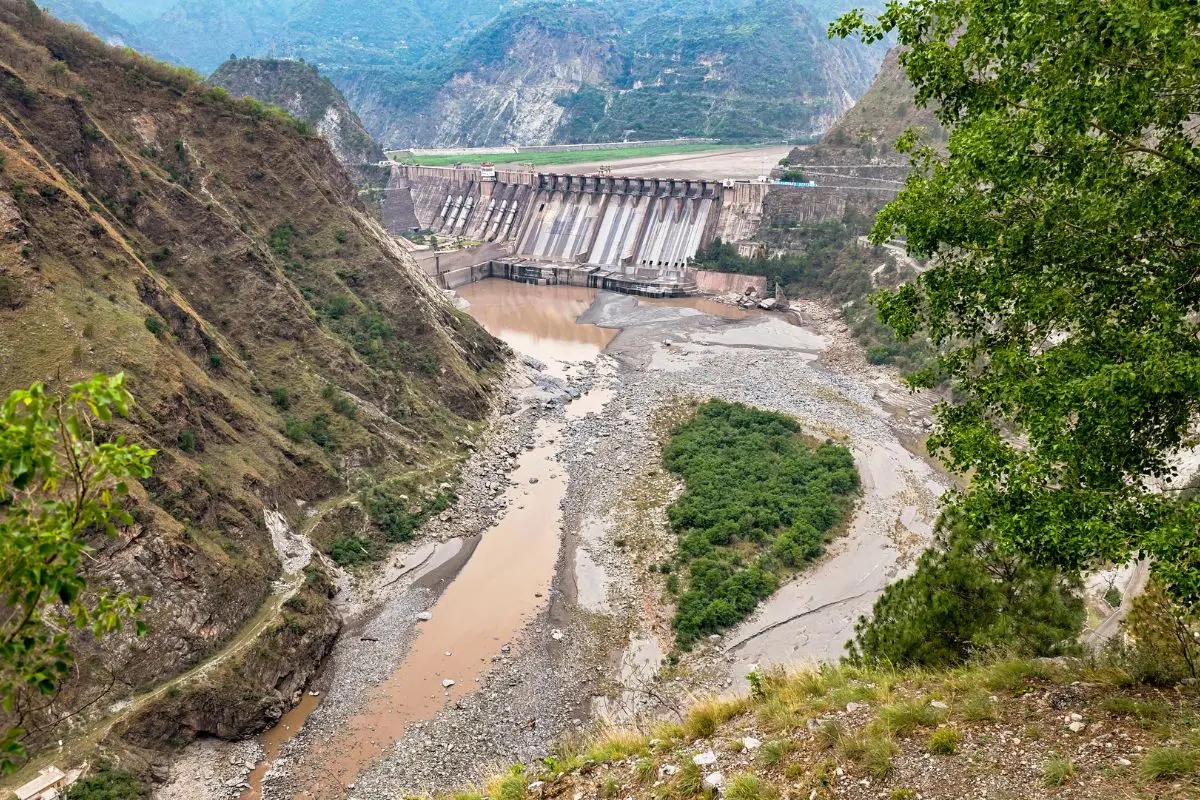
New Delhi: India has stated that it is actively working to prevent water from flowing into Pakistan, according to Water Minister C R Patil, who linked the move to directives from the central government. The remarks come after India suspended its participation in the Indus Water Treaty last year, intensifying an already sensitive diplomatic issue between the two countries.
What the indus water treaty governs
The Indus Water Treaty, signed in 1960, regulates the sharing of six rivers in the Indus basin, whose headwaters originate in India but flow into Pakistan. The river system is a critical water source for hundreds of millions of people, particularly in Pakistan’s agriculture-dependent economy.
Pakistan has maintained that the treaty remains legally binding and has warned that any attempt to alter river flows could be considered an “act of war”.
Rising tensions after treaty suspension
India suspended its participation in the treaty in 2025 following heightened diplomatic tensions and security concerns after an attack in Indian-administered Kashmir, which New Delhi blamed on Pakistan—an allegation Islamabad denies.
The issue escalated further after a brief military conflict between the two nuclear-armed neighbours, involving drone, missile and artillery exchanges, which resulted in casualties on both sides.
India’s river development plans
Recent reports suggest India has initiated or planned infrastructure and hydrological works on rivers governed under the treaty framework. These include hydropower-related activities and water management projects on tributaries such as the Chenab River.
India has also undertaken operational measures such as sediment removal at existing hydropower stations, which officials say are part of long-term river management following treaty suspension.
Pakistan, however, has accused India of attempting to “weaponise water”, warning that changes to river flows could severely impact its agricultural output and overall economy.
Expert view and practical limitations
Experts note that India’s current infrastructure does not allow for an immediate stoppage or large-scale diversion of river flows into Pakistan. Existing dams primarily regulate timing and volume of water release rather than fully blocking rivers.
Analysts also point out that any large-scale diversion projects would require years of construction, with estimates suggesting that major infrastructure changes could take until at least the end of the decade to become operational.
Strategic and geopolitical implications
The Indus basin remains one of the most sensitive geopolitical water systems in the world due to its importance for both countries. Any long-term disruption or restructuring of water flows is expected to have major diplomatic consequences and could further strain already fragile India–Pakistan relations.
India’s statement marks a significant escalation in rhetoric over cross-border water sharing, reinforcing the strategic importance of the Indus Water Treaty. While large-scale changes to river flows remain technically limited in the short term, the issue continues to deepen as a key point of tension in regional geopolitics.