From 36 to 176 jets? IAF chief's Paris visit signals India's Rafale ambitions
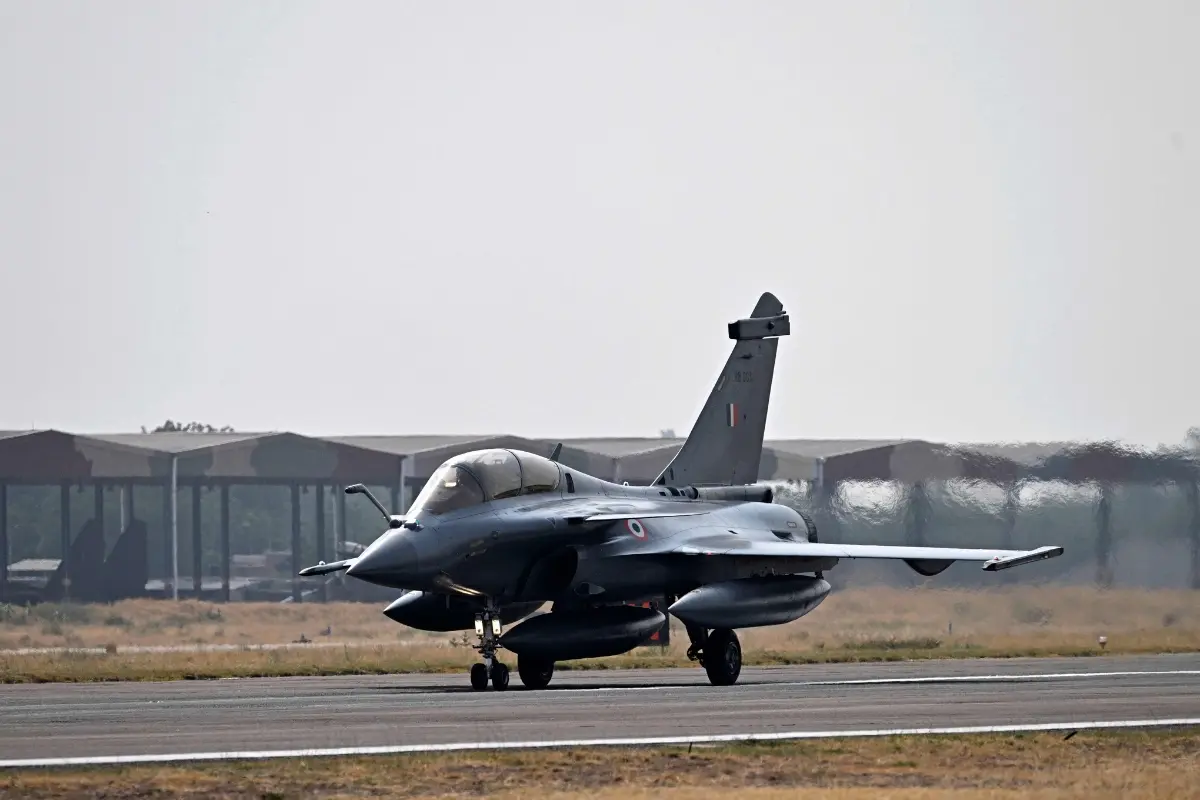
New Delhi: India is moving closer to finalising a mega defence deal with France for the acquisition of 114 Rafale fighter aircraft, a move expected to significantly strengthen the combat capabilities of the Indian Air Force (IAF).
The development comes as Air Chief Marshal Amar Preet Singh began a four-day visit to France, where discussions are expected to focus on the proposed Rafale acquisition, defence cooperation and future industrial partnerships.
India sends formal request to France
According to reports, India has issued a formal Letter of Request (LoR) to France, initiating the next stage of negotiations for the proposed purchase under the Multi-Role Fighter Aircraft (MRFA) programme.
French authorities are expected to respond within the next two to three months with details covering pricing, production schedules, technology transfer, logistics support and industrial participation.
Once the response is received, formal negotiations between the two governments are expected to begin, with officials hoping to conclude the agreement within the next year.
Why does India need 114 new fighter jets?
The proposed acquisition is aimed at addressing a critical shortage in the Indian Air Force's fighter fleet.
The IAF is authorised to maintain around 42.5 fighter squadrons to effectively tackle potential threats on both western and northern fronts. However, its current strength has declined to about 29 squadrons following the retirement of ageing aircraft such as the MiG-21.
Defence planners believe additional Rafale aircraft would help bridge this capability gap while providing the Air Force with advanced multirole combat capabilities.
Why Rafale is the frontrunner
India already operates 36 Rafale fighter jets acquired under a government-to-government agreement signed with France in 2016.
The aircraft are deployed at key air bases in Ambala and Hasimara and have become one of the IAF's most advanced combat platforms.
Because infrastructure, maintenance systems and pilot training mechanisms are already in place, induction of additional Rafales is expected to be faster and more efficient than introducing an entirely new aircraft type.
A major boost for Make in India
One of the most significant aspects of the proposed deal is the plan to manufacture most of the aircraft in India.
Reports suggest that between 90 and 94 of the 114 aircraft could be produced domestically through a partnership involving Dassault Aviation and an Indian defence manufacturer.
The remaining jets would likely be supplied directly from France.
The project is expected to include around 50% localisation, allowing greater integration of Indian-made systems, components and weapons. If implemented, it would mark the first time Rafale fighter jets are manufactured outside France.
Air Force chief's visit and broader cooperation
During his visit, Air Chief Marshal Amar Preet Singh is expected to meet executives from Dassault Aviation as well as MBDA, which produces advanced weapon systems such as the Meteor and SCALP missiles used by Rafale aircraft.
Discussions are expected to extend beyond aircraft procurement and may include technology cooperation, industrial partnerships and the integration of indigenous Indian weapons into future platforms.
How large could India's Rafale fleet become?
The Indian Air Force currently operates 36 Rafales, while the Indian Navy has separately signed a deal for 26 Rafale-M carrier-based fighter aircraft.
If the proposed acquisition of 114 additional aircraft is completed, India's total Rafale fleet would rise to 176 aircraft, making it one of the largest operators of the fighter jet globally.
Defence experts believe such a fleet would significantly enhance India's operational readiness and strengthen its ability to address security challenges across multiple fronts.