India to get first indigenous bird flu vaccine for chickens on November 20
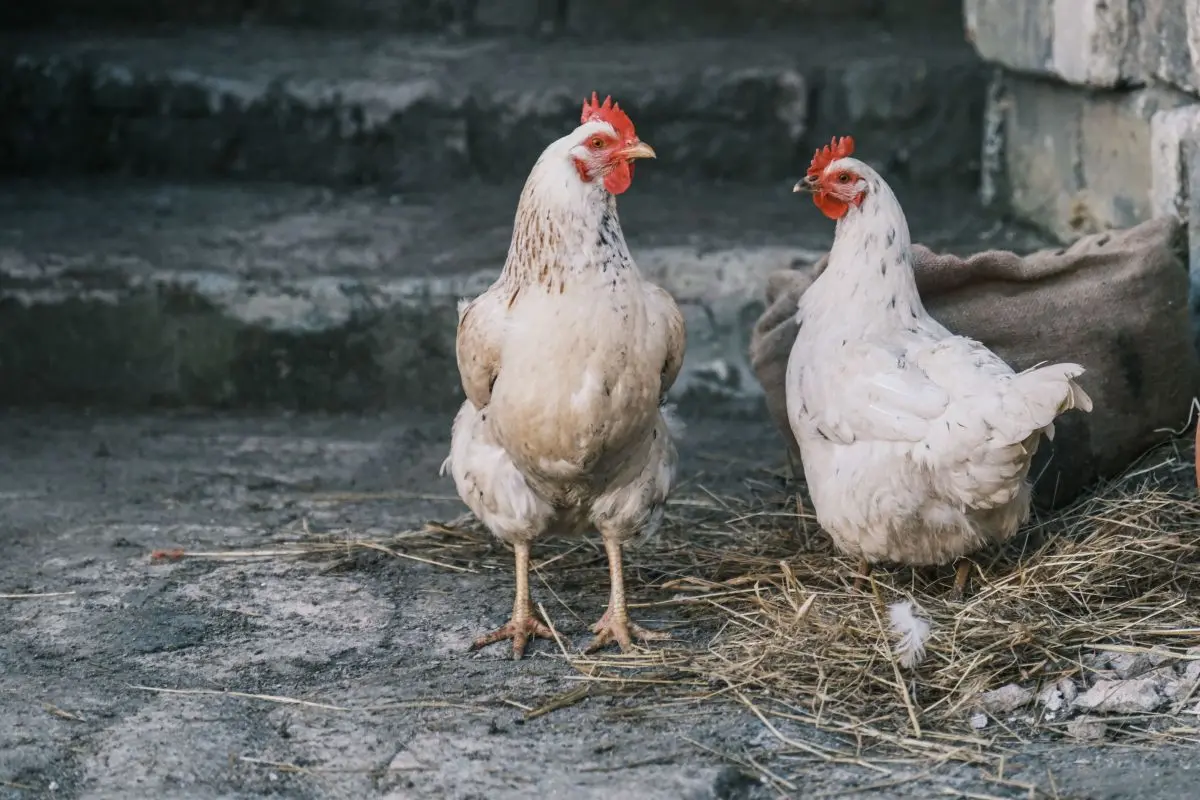
India is set to receive its first indigenous vaccine against the H5N1 strain of highly pathogenic avian influenza, commonly known as bird flu, on November 20. The vaccine, developed by the ICAR-National Institute of High Security Animal Diseases (ICAR-NIHSAD) in Bhopal, is designed to protect chickens against the Clade 2.3.2.1a H5N1 virus, which has been responsible for most bird flu outbreaks in Indian poultry.
Union Minister of Agriculture and Farmers Welfare and Rural Development Shivraj Singh Chouhan will dedicate the Inactivated H5N1 (Clade 2.3.2.1a) Highly Pathogenic Avian Influenza (HPAI) Vaccine to the nation at ICAR-NIHSAD, Bhopal. The launch marks a significant step in India’s efforts to strengthen biosecurity, protect poultry farmers and reduce the economic and public-health risks posed by bird flu.
A disease with devastating impact
Highly pathogenic avian influenza is a serious disease affecting poultry. Outbreaks can cause mortality approaching 100 per cent among infected birds, forcing large-scale culling and restrictions on trade.
The consequences extend beyond farms. A major bird flu outbreak can disrupt poultry supply chains, raise prices of poultry products, affect trade and threaten the livelihoods of farmers.
Since the first detection of the disease in India in 2006, more than 500 combined outbreaks of H5N1 and H5N8 subtypes have been reported across the country.
The economic stakes are high. A major outbreak could reduce India’s GDP growth by up to 1.5 per cent, while more than 20 per cent of the country’s poultry population could be at risk if the disease spreads without control.
The 2006 bird flu outbreak caused estimated direct and indirect losses of Rs 2,200–3,000 crore. An outbreak in Manipur also resulted in losses equivalent to 0.5 per cent of the state’s GDP.
A public health concern too
Bird flu is not only an animal-health issue. It is also a public-health concern because certain strains of the virus can infect humans.
According to the World Health Organization, 1,003 human cases of H5N1 avian influenza, including 479 deaths, have been reported across 25 countries, including India, since 2003.
Studies of the virus show that the H5N1 strain known as Clade 2.3.2.1a has been responsible for most bird flu outbreaks in chickens. In recent times, infections caused by this strain have also been detected in other animal species, including mammals, along with three human cases.
This makes it important to control the spread of the virus—not only to reduce financial losses for poultry farmers, but also to prevent transmission from chickens to other animals and humans.
Why an indigenous vaccine matters
At present, no specific commercial vaccine is available against the H5N1 virus of Clade 2.3.2.1a. This gap has left India dependent on non-specific measures such as culling, movement restrictions and surveillance during outbreaks.
The vaccine developed by ICAR-NIHSAD aims to address this need by providing protection against Clade 2.3.2.1a H5N1 virus strains circulating in the country.
Because it has been developed indigenously, the vaccine is expected to give India greater control over production, deployment and future adaptation as the virus evolves.
What the launch means
The November 20 launch is significant because it moves India from relying solely on outbreak response to building a preventive tool against one of the most damaging poultry diseases.
For poultry farmers, the vaccine could reduce the risk of mass mortality and large-scale culling. For the wider economy, it could help protect trade, prices and rural livelihoods. For public health, it adds another layer of defence against a virus that has shown the ability to cross species barriers.
The launch at ICAR-NIHSAD in Bhopal will mark the formal dedication of India’s first indigenous H5N1 vaccine for chickens to the nation.
The vaccine’s effectiveness will now depend on how quickly it is deployed, how widely it is adopted and how well it is integrated into India’s broader bird-flu surveillance and biosecurity system.
India’s poultry sector remains vulnerable to future outbreaks. But with an indigenous vaccine now ready for dedication to the nation, the country has taken a major step towards protecting its birds, its farmers and its public health.