US waiver lets India continue Chabahar Port operations, securing key trade route for Afghanistan
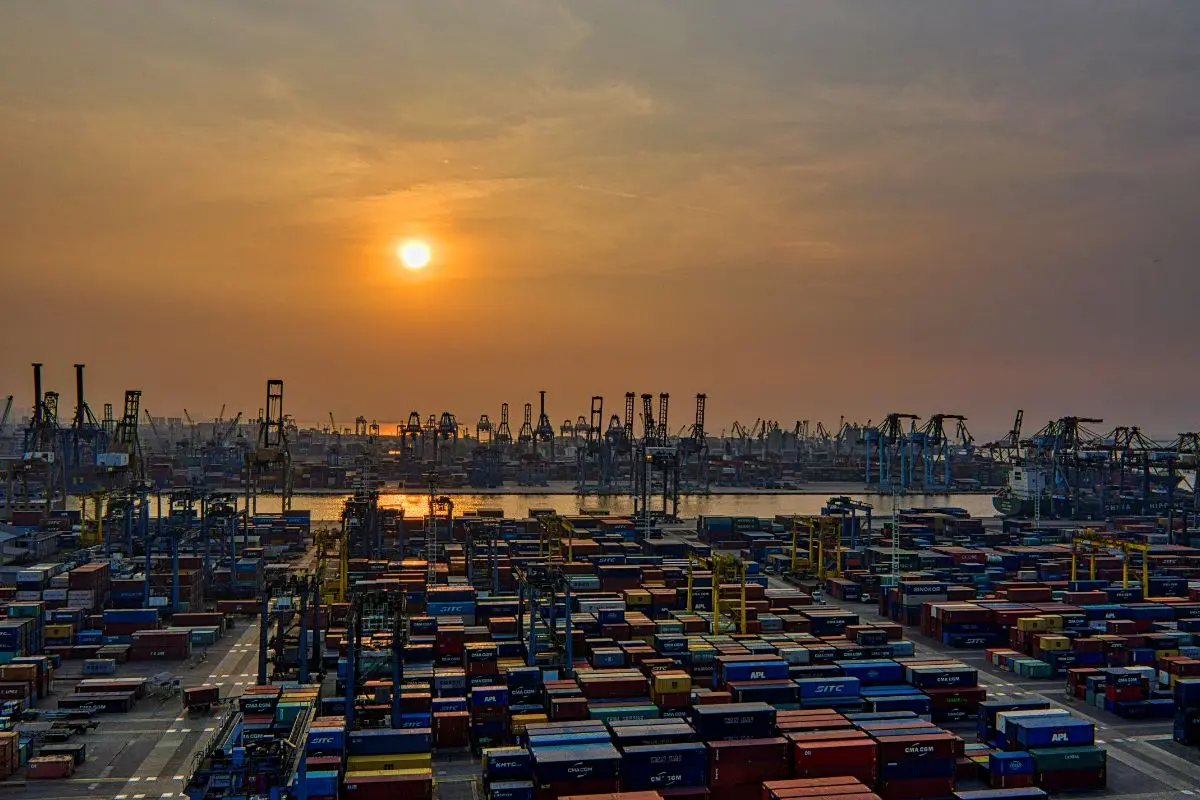
New Delhi: India will continue its operations at Iran’s Chabahar Port following a six-month sanctions waiver granted by the United States, providing a critical trade lifeline for Afghanistan as tensions rise over Pakistan’s border closures.
The development comes as Afghan traders face mounting losses, estimated at over $100 million due to Pakistan’s suspension of cross-border trade routes. According to Tolo News, the Afghanistan-Pakistan Joint Chamber of Commerce and Investment said the ongoing blockade has created deep uncertainty for businesses on both sides, severely disrupting daily commercial exchanges.
Amid this turmoil, Afghan officials see Chabahar as a “new opportunity” to expand trade and access global markets. Speaking to Pajhwok Afghan News, officials from the Ministry of Commerce and Industry (MoCI) said that the port’s “vast potential” could boost exports, ease transit, and help position Afghanistan as a regional trade hub.
Mohammadullah Bakhtyar, Director at the MoCI, highlighted the strategic importance of Iran’s Chabahar Free Economic Zone, stressing that it provides Afghanistan with vital access to open seas. The Kabul Dry Fruit Exporters Union also reported that shipments through Chabahar to India are “currently running smoothly, with no problems.”
The US sanctions waiver, effective from 29 October, allows India to continue operating and developing the Shahid Beheshti terminal, part of the broader Chabahar project until April 2026 without the threat of punitive measures. The waiver follows the earlier revocation, in September, of an exception under the Iran Freedom and Counter-Proliferation Act (IFCA), which had caused major disruptions to port operations, financing, and insurance.
India and Iran had signed a 10-year agreement in May 2024 to expand and manage the terminal, which is central to India’s strategy to access Afghanistan and Central Asia while bypassing Pakistan. The renewed waiver is seen as a diplomatic success for New Delhi amid complex global sanctions dynamics involving both Iran and Russia.
For Afghanistan, the port’s development offers multiple incentives, including a 100 per cent tax exemption for up to 20 years on capital and income, discounted tariffs for exports and imports, and free storage for transit goods. Bakhtyar noted that such benefits could significantly reduce transport costs and encourage regional trade with India, the Middle East, Central Asia, and beyond.