Children under 10 hit hard by India’s air pollution crisis, says report
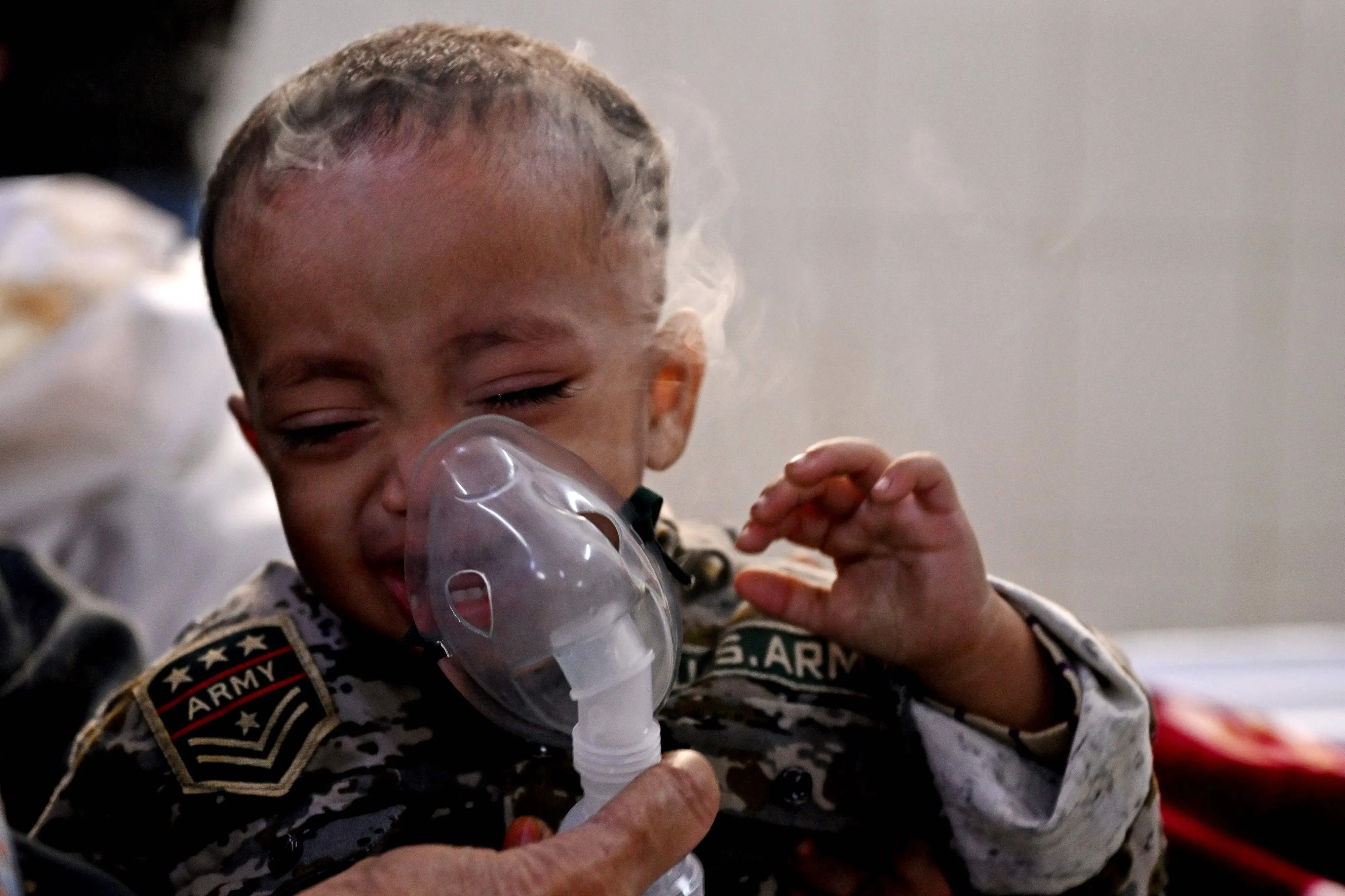
New Delhi: Children are bearing the brunt of India’s worsening air pollution crisis, with 43 per cent of all pollution-linked health insurance claims coming from the 0–10 age group, according to a new report by Policybazaar.
The report found that pollution-related illnesses now account for 8 per cent of all hospitalisation claims, with respiratory and cardiac conditions driving much of the increase. It described the findings as a wake-up call for public health authorities.
“The most alarming insight is the disproportionate impact on children, 43 per cent of all pollution-linked claims were filed for children under ten – making them five times more affected than any other age group,” the report stated.
Adults aged 31–40 made up 14 per cent of such claims, while those over 60 accounted for just 7 per cent, suggesting that younger and more outdoor-active populations are most at risk.
Delhi recorded the highest volume of pollution-related claims, while Bengaluru and Hyderabad reported higher claim ratios. Tier-2 cities such as Jaipur, Lucknow and Indore also saw a sharp rise in cases, underscoring how air pollution’s impact is spreading beyond metropolitan centres.
The report warned that air pollution has evolved from an environmental concern into a public health emergency, with treatment costs rising by 11 per cent as a result. The average health insurance claim linked to air pollution stood at ₹55,000, while the average daily hospital cost reached ₹19,000.
Doctors say that rising pollution levels have also contributed to increased cases of autism and ADHD in children.
A distinct seasonal trend was also observed. Claims surged by 14 per cent after Diwali compared with pre-Diwali levels, reflecting the sharp deterioration in air quality during the festival period. Between late October and early December, pollution levels across much of India typically shift from “moderate” to “severe” due to stubble burning, fireworks and stagnant winter air.
In September 2025 alone, 9 per cent of all hospitalisation claims were linked to air pollution-related ailments, ranging from respiratory infections and cardiac complications to skin and eye allergies. Over the past four years, such claims have steadily risen—from 6.4 per cent before Diwali in 2022 to 9 per cent after Diwali in 2025—indicating a mounting health burden.
The report also revealed that air pollution affects multiple organ systems beyond the lungs. Common claim categories included asthma, COPD, arrhythmia, hypertension, eczema, conjunctivitis, pregnancy complications and sinus-related allergies.
As India enters another smog-laden winter, the findings paint a troubling picture of a growing health emergency. The surge in pollution-linked illnesses, particularly among children, highlights an urgent need for stronger measures to curb air pollution and protect vulnerable groups.
ANI