Independence Day 2026: What Cockroach Party founder wants PM Modi, citizens to do
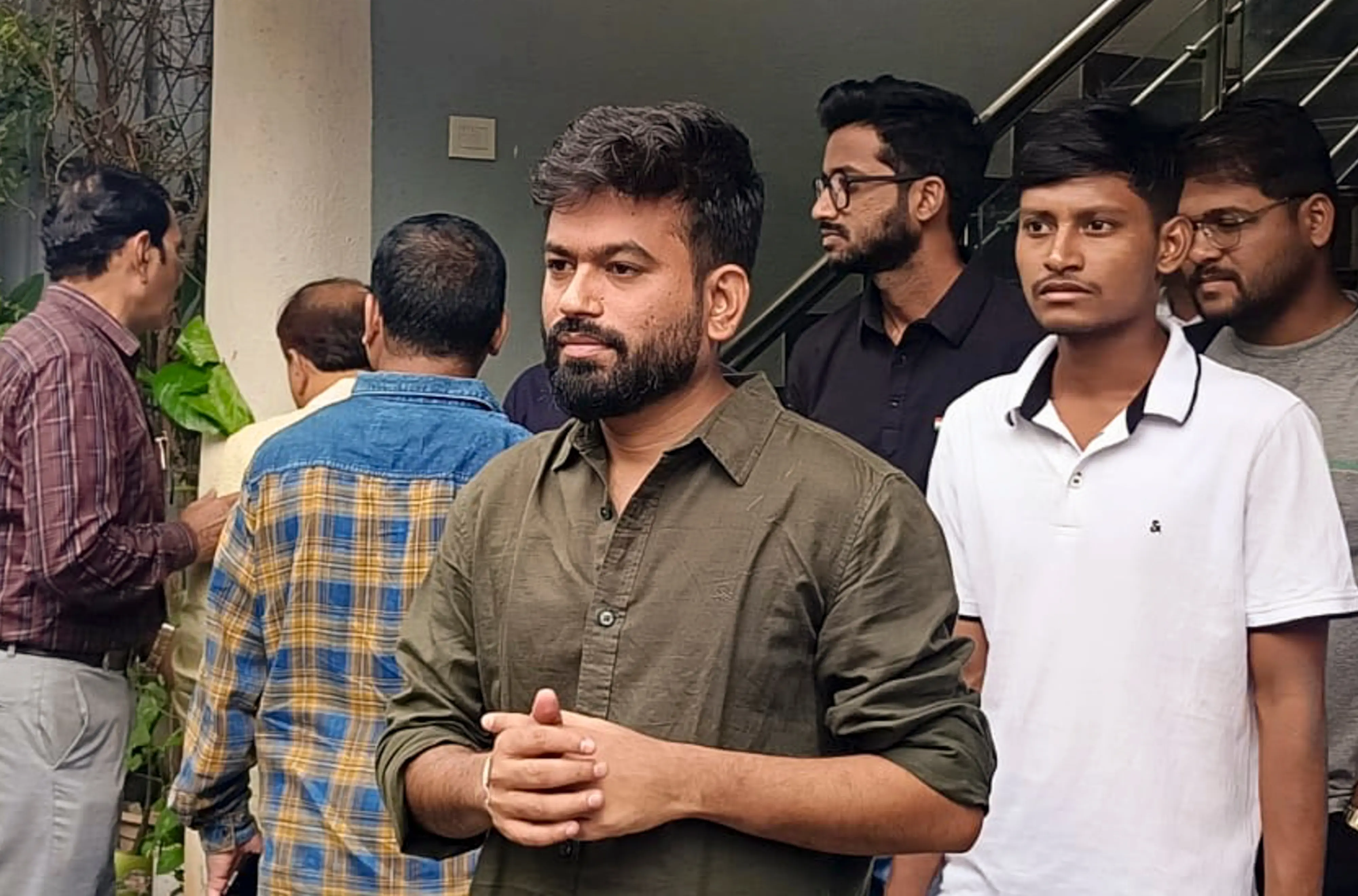
Cockroach Janta Party (CJP) founder Abhijeet Dipke has made two key appeals ahead of Independence Day — one to Prime Minister Narendra Modi and another to citizens and village leaders.
Dipke has urged PM Modi to use his August 15 Independence Day address to speak directly to India’s youth about education, unemployment and the rising cost of living.
He has also announced a nationwide campaign to improve government schools in villages, asking parents to audit basic facilities and sarpanches to take responsibility for upgrading schools.
What Dipke wants PM Modi to say on August 15
Dipke on Friday launched an online petition calling on Prime Minister Modi to use his Independence Day speech to address concerns facing young Indians.
“This Independence Day, we want the Prime Minister to address India's youth,” Dipke said in a post on X while sharing the petition.
He urged people to sign the petition and asked the Prime Minister to explain what the government is doing for young people on three key issues — education, unemployment and the cost of living.
The appeal comes after the CJP led a 36-day agitation at Delhi’s Jantar Mantar over alleged irregularities in the NEET examination and broader concerns surrounding the education system.
The protest was called off on July 25 following the resignation of then Union Education Minister Dharmendra Pradhan.
Dipke’s August 15 campaign for village schools
Dipke has also announced that the CJP will launch a nationwide campaign on August 15 aimed at improving government schools in villages.
The campaign calls on parents to check basic facilities in their children’s schools and on sarpanches to take up the responsibility of improving them.
Dipke said he would begin the initiative from his village Hingoli in Maharashtra by approaching the village head and asking for improvements to government schools there.
“The coming 15th August is our 80th Independence Day. But, if anything has been neglected or ignored the most in the last 80 years, it is the government schools in our villages,” Dipke said.
He questioned why new Parliament and PM house buildings could be constructed while government schools in villages continued to lack basic infrastructure.
“We have made a new Parliament, a new PM house. Why have we not been able to build new schools in our villages? Do we not consider the children of farmers and labourers the future of our country?” he asked.
What the CJP wants parents to check
As part of the campaign, parents of children studying in government schools have been asked to conduct a citizen-led social audit.
They will be encouraged to visit schools and check whether basic facilities, including electricity, clean drinking water, functional washrooms and mid-day meals, are available.
Dipke highlighted the difficulties faced by children in villages, including those who have to travel long distances to reach school.
“Even today, village children have to walk a long distance to go to school. After going there, they don't find water or toilet facilities,” he said, particularly pointing to the problems faced by girls.
Parents who find missing facilities have been asked to record videos documenting the situation.
The CJP said it will soon provide a printable audit form that citizens can use to record facilities available at schools and those that are missing.
The form will be shared through links accompanying campaign videos on the CJP’s official social media platforms. Completed forms and video evidence can be emailed to contact@cockroachjantaparty.org.
‘Sarpanch Challenge’ for village leaders
The CJP has also appealed to sarpanches across the country to improve government schools in their villages.
The initiative has been described as a “Sarpanch Challenge”.
Under it, the CJP plans to publicly recognise village heads who improve their schools by sharing before-and-after photographs on its social media platforms and crediting the sarpanches involved.
“We will give you credit so that after seeing you, after seeing the schools that you have improved, many other village heads also start improving schools in their villages,” Dipke said.
Dipke said he would personally approach the village head in Hingoli and urged other sarpanches to follow the initiative in their respective villages.
He said the campaign should begin with improving government schools so that children in rural areas can access facilities comparable to those available to children in cities.
“I feel that on this 15th August, if we should pay attention to anything, if we should make a new start, we should start by improving our government schools,” he said.
CJP shifts focus beyond NEET protest
The school campaign follows the CJP’s decision to broaden its activities beyond the NEET-related agitation.
The organisation began as an online satirical platform before expanding its campaign on the ground. Its 36-day Jantar Mantar agitation drew students and supporters from across the country and also saw activist Sonam Wangchuk join the protest with a hunger strike.
After the protest ended on July 25, the CJP held a two-day strategy meeting in Chhatrapati Sambhajinagar in Maharashtra during August 5-6.
The organisation decided to continue as a youth movement rather than enter electoral politics.
It also announced the “Kya Bolti Public?” National Listening Tour and Education Reform Campaign, scheduled to begin on September 1.
Youth reform campaign planned from September
Under the planned nationwide campaign, CJP leaders will travel across the country and interact with young people to gather their views.
The organisation says these interactions will form the basis of a citizen-driven Youth Reform Charter.
The proposed charter will cover four areas: holistic education reform, linking education with employment, institutional accountability, and solidarity and alliances with political parties, student organisations, civil society groups and social movements.
The CJP has also announced a nationwide membership drive for students, young professionals and workers.
The organisation has said it intends to remain an independent public pressure group rather than contest elections.
For August 15, however, Dipke’s message is centred on two demands: he wants the Prime Minister to address the concerns of India’s youth and wants citizens and village leaders to make improving government schools a priority.