‘In a happy place...’ Harish Rana laid to rest; family chooses organ donation
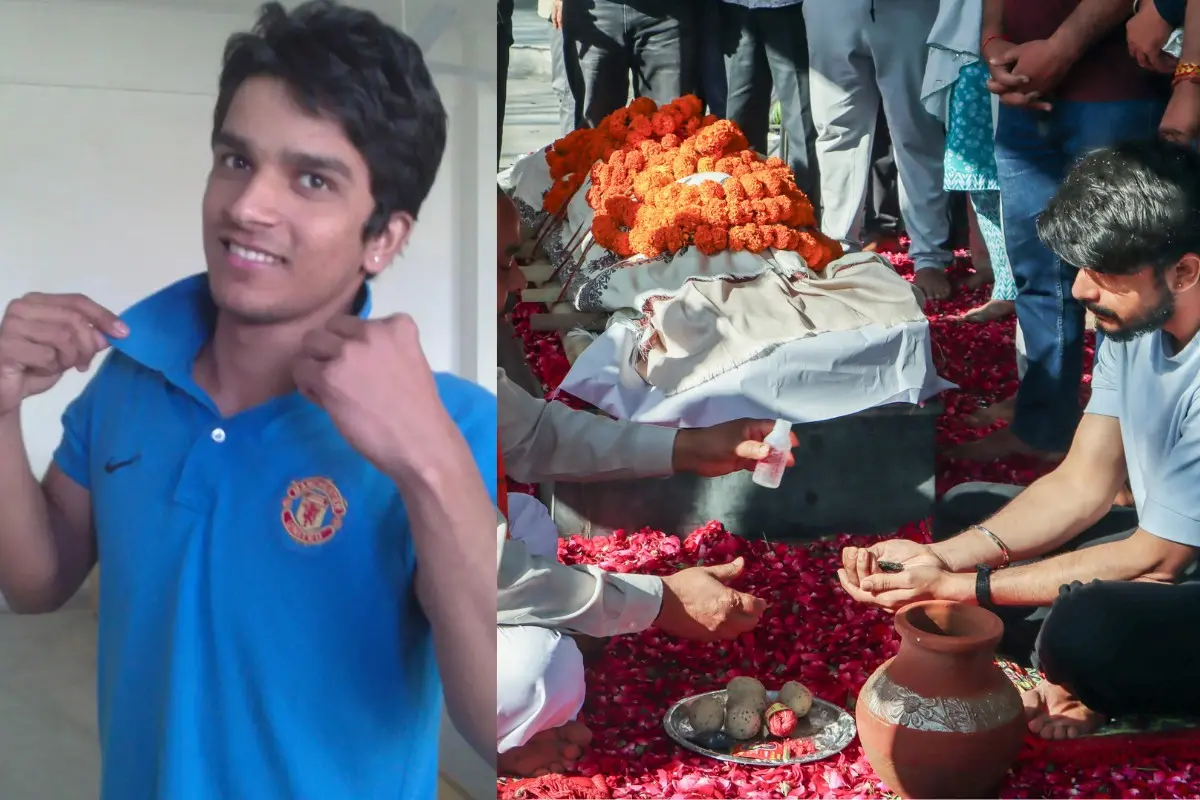
Ghaziabad: Harish Rana, the first person in India to be granted passive euthanasia, was cremated in Delhi on Wednesday, bringing an end to his 13-year-long medical struggle. The 31-year-old, who had been in a coma since 2013, passed away a day earlier, with his family choosing to donate his organs and urging mourners to remember him with strength rather than grief.
“Do not cry, he is in a happy place now,” said the parents of Harish Rana as they bid an emotional farewell to their son on Wednesday.
Harish’s last rites were performed at the Green Park cremation ground in South Delhi on Wednesday morning.
Family opts for organ donation
In a final gesture of generosity, the family agreed to donate five of Harish’s organs.
The 31-year-old passed away on Tuesday. He had been in a coma since 2013 after falling from a fourth-floor balcony while studying B.Tech at Panjab University.
Parents urge strength amid grief
During the cremation, Harish’s mother offered a tearful farewell with folded hands and greeted those present. His father, Ashok Rana, appealed to mourners to remain composed, according to a neighbour who spoke over the phone.
People present described the atmosphere as deeply moving. Tejas Chaturvedi, a resident of the Raj Empire Society, said many attendees were overcome with emotion. Despite this, Ashok Rana continued to console others and encouraged them to stay strong.
“Let no one weep. I am praying that my son may depart in peace. Wherever he is born next, may he receive God’s blessings,” he said.
Leaders and community members pay tribute
Ajai Rai, Uttar Pradesh Congress chief, visited the cremation ground to offer his respects. He confirmed that five of Harish’s organs would be donated.
“Harish may no longer be with us, but he will live on through those who benefit from his organ donation. The family has set an example for the entire nation,” Rai said in a telephonic conversation with media.
Family members were joined by representatives of the Brahma Kumaris, a women-led spiritual movement, during the last rites. Residents of the Raj Empire Society in Ghaziabad, where the Rana family resides, were also present, along with members of NGOs, staff from AIIMS Delhi, relatives, and friends.
Rituals performed with prayers and traditions
Harish’s body was brought to the cremation ground in an ambulance, with the platform adorned with rose petals. Many mourners paid their respects with folded hands, while some placed saffron garlands on the body before it was placed on the pyre. His younger brother, Ashish Rana, lit the pyre, with his sister Bhavna by his side.
Sister Lovely of the Brahma Kumaris, who accompanied the family, said meditative chants were recited during the ceremony.
“The body is leaving the mortal world, but the soul is immortal and has begun a new journey,” she said.
She also noted that the family had decided to donate Harish’s eyes.
Prayer ceremony planned in coming days
Sister Lovely further shared that a ‘bhog’ or offering ceremony will be organised in the coming days by the Brahma Kumaris. Food items that Harish once enjoyed will be prepared as part of the ritual.
“Harish could not eat for over a decade. Now the soul is free. In a symbolic gesture, we will offer the food that his body loved,” she said.
Years of care and a difficult decision
Earlier, neighbours and well-wishers spoke about the family’s dedication in caring for Harish despite facing emotional and financial hardships over the years. His parents, Ashok Rana and Nirmala Devi, described their decision to opt for passive euthanasia as extremely painful yet necessary.
According to sources, the family is expected to return to their home in Ghaziabad after completing all last rites and associated rituals.
Supreme Court order and medical decision
Harish had been moved earlier this month from his Ghaziabad residence to the palliative care unit at AIIMS Delhi, following a landmark ruling by the Supreme Court of India that allowed withdrawal of life support. He passed away on Tuesday.
The apex court clarified that passive euthanasia in his case involved discontinuing artificial nutrition, including the feeding tube, while continuing palliative care to ensure a natural and dignified death. Medical boards had determined that his condition was irreversible.
With agency inputs