HAL selects Israeli radar over DRDO's 'Uttam' AESA for Tejas Mk1A
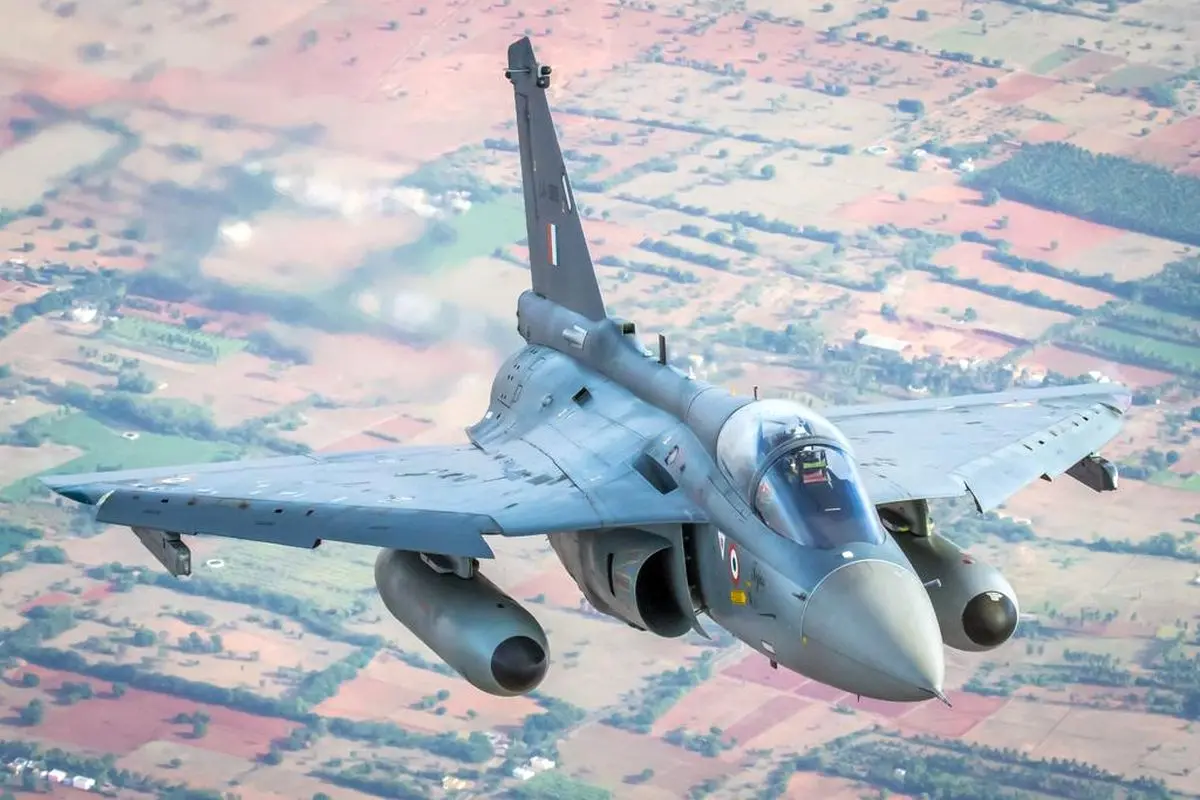
In a decision that could dampen the momentum of India's indigenous defence manufacturing ambitions, Hindustan Aeronautics Limited (HAL) has opted to equip the Tejas Mk1A fighter jets with Israeli ELTA’s ELM-2052 AESA radar instead of the homegrown Uttam Active Electronically Scanned Array (AESA) radar developed by the Defence Research and Development Organisation (DRDO).
The decision marks a significant deviation from the government’s consistent push for indigenous defence systems under the Atmanirbhar Bharat initiative. While the Uttam AESA radar, developed by DRDO’s Electronics and Radar Development Establishment (LRDE), has shown considerable promise in tests and prototypes, HAL has reportedly raised concerns about its operational readiness for immediate deployment in the upcoming fleet of Tejas Mk1A jets.
HAL remains committed to integrating the Israeli radar system in the initial batch of 83 Tejas Mk1A aircraft, given its proven performance and mature technology. HAL claims that this move is a pragmatic step to ensure timely delivery schedules and mission capability for the Indian Air Force (IAF).
However, the decision has triggered debate among defence analysts and policymakers, with many expressing disappointment over the sidelining of a sophisticated indigenous system that could reduce India’s dependency on foreign suppliers. The Uttam AESA radar, which has been under development for over a decade, is widely regarded as a milestone in India’s efforts to master critical radar technologies.
Sources suggest that the current version of the Uttam radar, despite undergoing successful flight trials on both the Tejas and Su-30MKI platforms, still requires further testing and refinements before it can meet the IAF's rigorous frontline deployment standards. Additionally, integration timelines and certification hurdles may have influenced HAL’s preference for the already-certified Israeli alternative.
Meanwhile, there is still hope that the Uttam radar may eventually find its place in future variants of the Tejas or other platforms. DRDO officials remain optimistic that the radar will be production-ready within the next few years and could be integrated into later Tejas Mk1A aircraft, the more advanced Tejas Mk2, or even retrofitted on existing IAF platforms.
Industry experts believe that introducing indigenous systems like Uttam into limited serial production can help accelerate its maturity through real-world usage and iterative improvements, a model followed by several global defence manufacturers.
This radar selection decision also underscores the complex balance between self-reliance and operational readiness that India’s defence ecosystem continues to grapple with. On one hand, there’s intense pressure to field capable systems on time amid rising regional threats; on the other, there’s an urgent need to bolster indigenous defence capabilities.
Experts believe that unless HAL and IAF actively support indigenous systems with concrete commitments, technologies like Uttam may remain stuck in developmental limbo despite their strategic significance.
With the Tejas program seen as a cornerstone of India’s Make-in-India defence ambitions, the exclusion of DRDO’s AESA radar in its first major production batch could become a case study in the country’s struggle between ambition and execution in defence R&D.