GST 2.0 vs GST 1.5 debate: PM Modi hails tax reforms, Opposition slams revenue losses
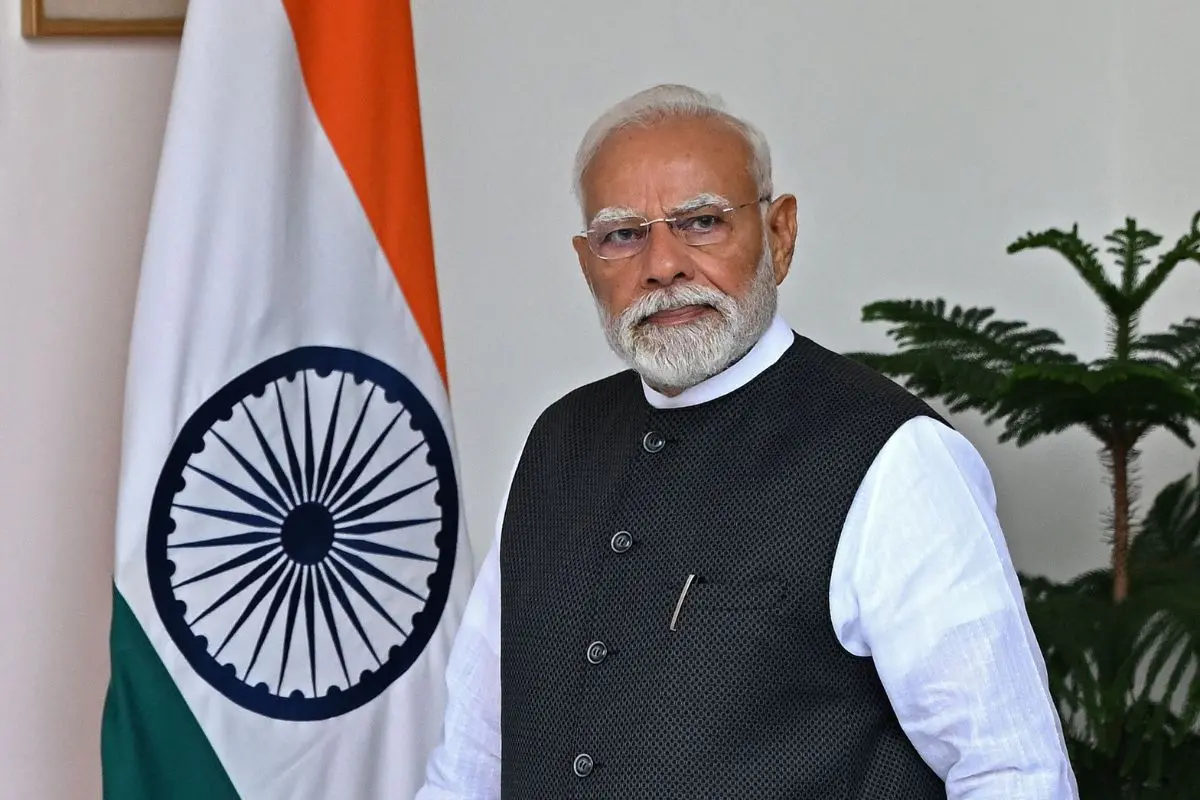
New Delhi: Prime Minister Narendra Modi on Thursday described the newly announced GST reforms as a landmark step towards making India self-reliant, calling them the “next-generation” changes needed to strengthen the economy and ease compliance for citizens. He termed the reforms a “double dhamaka” of happiness ahead of Diwali and Chhath Puja.
Announcing the date of effect, PM Modi said the simplified GST regime will take effect on September 22, coinciding with the first day of Navratri. Reiterating his Independence Day address, he said, “Without timely changes, we cannot give our country its rightful place in today's global situation. I had said from the Red Fort on 15 August this time that it is crucial to undertake next-generation reforms to make India self-reliant. I had also promised the countrymen that there would be a double dhamaka of happiness before this Diwali and Chhath Puja...”
He added, “Now GST has become even simpler... On 22 September, which is the first day of Navratri, the next gen reform will be implemented as all these things are definitely related to the 'Matrishakti'.”
Highlighting the festive impact, the Prime Minister said, “This time, the festivity of Dhanteras will also be even more vibrant. Because the tax on dozens of items has now been reduced significantly. 8 years ago, when GST was implemented, a dream of several decades was realized. It was one of the biggest economic reforms in independent India.”
PM Modi referred to GST reforms as a “double dose” for support and growth. “In the 21st century, as India moves forward, next-generation reform has also been carried out in GST. GST 2.0 is a double dose of support and growth for the country. The new GST reforms will bring tremendous benefits to every family in the country. The poor, neo middle class, middle class women, students, farmers, youth... everyone will get tremendous benefits from reducing GST tax.”
The reforms include significant relief in the healthcare and insurance sectors, with GST on individual health and life insurance completely removed. Previously taxed at 18%, these services now fall under the zero-tax bracket, making them more affordable. GST on critical medical items has also been reduced from 12% to 5%, including thermometers, medical-grade oxygen, diagnostic kits and reagents, glucometers and test strips, and corrective spectacles.
Opposition voices concerns over revenue loss and GST 2.0
While the BJP hailed the reforms, Opposition parties raised concerns. The Congress described the new GST as “GST 1.5” and said the wait for “true GST 2.0” continues. Mallikarjun Kharge, Congress president, criticised the government for imposing GST on items including milk, flour, children’s pencils, books, oxygen, insurance, and hospital expenses, dubbing it the “Gabbar Singh Tax.” He said, “Two-thirds of the total GST i.e. 64% comes from the pockets of the poor and the middle class, but only 3% GST is collected from billionaires, while the rate of Corporate Tax has been reduced from 30% to 22%.”
Jairam Ramesh said a key demand of states—to extend compensation for five years to protect their revenue—remains unaddressed. He added, “It was meant to be a Good and Simple Tax. It turned out to be a Growth Suppressing Tax.”
P Chidambaram described the overhaul as a “U-turn,” saying, “These steps are eight years too late. I am happy that the government has realised that the path on which they had walked for 8 years was wrong, and done a U-turn.” Several Congress leaders claimed former party chief Rahul Gandhi had suggested changes to the GST regime years ago and that the government eventually had to “follow his advice.”
West Bengal CM Mamata Banerjee claimed credit for GST exemptions on insurance, saying, “I had demanded that insurance be exempted from GST. They were forced to do it. It was our protest that led to this change.” She alleged financial discrimination by the Centre against West Bengal.
Kerala Finance Minister KN Balagopal said the state may face an annual revenue loss of Rs 8,000 crore to Rs 10,000 crore but supports the GST rate cuts to reduce prices. He emphasised that the central government should ensure rate cuts benefit the common man and provide compensation to states.
BJP defends reforms, slams Congress
BJP leaders defended the reforms. J P Nadda called it a “bumper gift” from PM Modi ahead of Durga Puja and Diwali, highlighting that all decisions of the GST Council were taken by consensus. He criticised the Congress for opposing the measures despite supporting state finance ministers of its own party.
BJP spokesperson Sambit Patra mocked Rahul Gandhi, saying he is “staying in la la land” and that criticism will not help his party. He said, “Who had stopped Rahul Gandhi and his party from bringing the GST before 2014? it shows their own inefficiency.” Patra added that the reduced GST effective from September 22 has brought a sense of “euphoria” in the country, alleging that the Congress lacked courage to implement it. He further mocked the Congress, saying its leaders believe the Sun and moon moves because of the Gandhi family and that there would be no India but for them.
Patra also said Rahul Gandhi should stop making atom bombs and hydrogen bombs and focus on his work, claiming his speeches harm Congress’ fortunes.