Govt can step-in to cap airfares in extraordinary situations: Aviation Minister
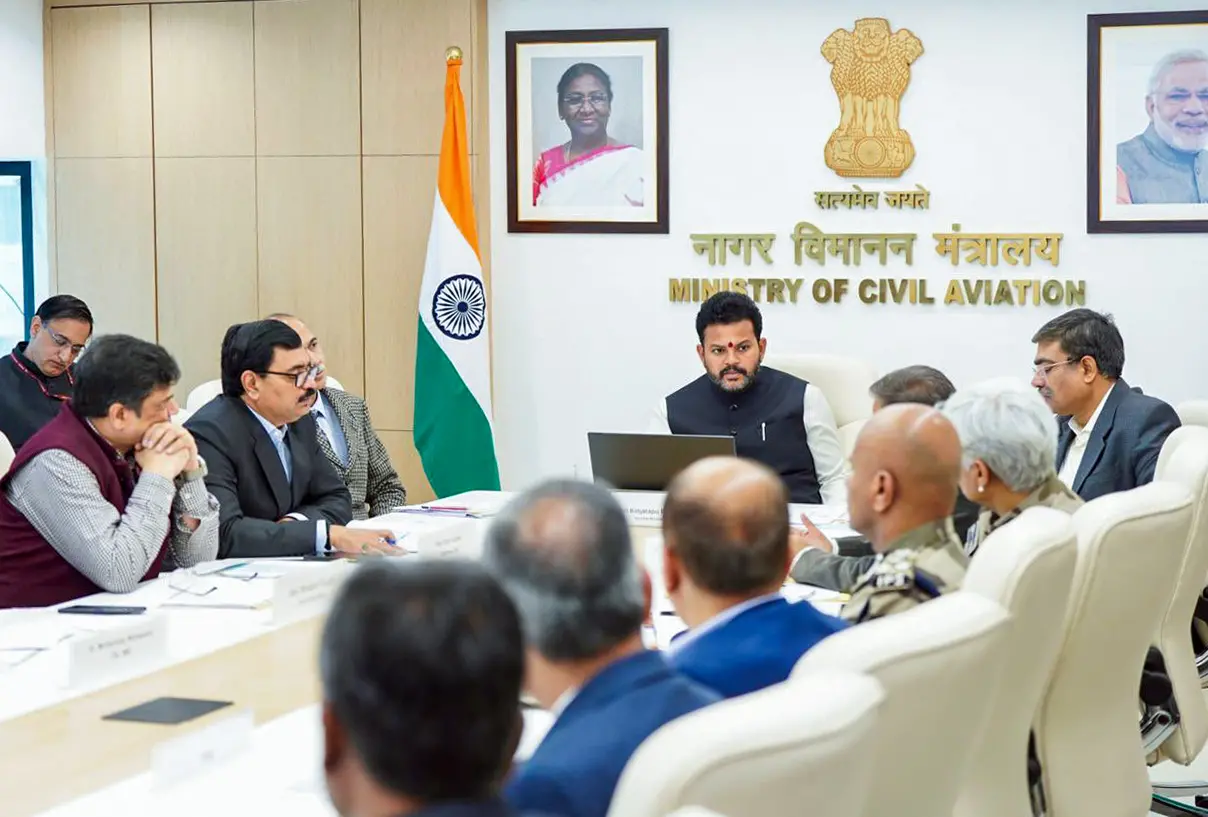
Civil Aviation Minister Ram Mohan Naidu on Friday outlined the Centre’s approach to airfare regulation, the rising pressure on India’s fast-growing aviation sector, and the government’s interventions during airline crises, including the recent large-scale disruption at IndiGo.
Speaking in the Lok Sabha during a discussion on the need to regulate airfares, the minister said the government normally follows a deregulated policy to encourage competition, attract new airlines, and support sectoral growth. However, he stressed that the Centre retains the authority to intervene when unusual or disruptive events cause airlines to raise fares sharply.
Naidu said the government does not intend to cap airfares throughout the year since ticket prices naturally fluctuate depending on demand and supply. He pointed out that rates typically surge only during peak travel seasons or on certain congested routes, for example, during Onam in Kerala or other festivals and regional events.
“Airfares do not rise every day. They increase during specific seasons or on routes where demand suddenly jumps,” Naidu explained. “This cannot justify a year-round cap.”
However, he emphasised that the Centre still holds the power to step in during exceptional situations to prevent “opportunistic pricing.”
He cited past examples where the government had to intervene such as during the Covid-19 pandemic, the Prayagraj Mahakumbh, the Pahalgam attack, and the recent IndiGo crisis.
IndiGo, which controls more than 65% of India’s domestic market, cancelled hundreds of flights starting December 2 due to what the minister described as a “capacity constraint”. This caused widespread chaos at airports and left thousands of passengers stranded.
Naidu said that as cancellations increased, airfares on affected routes began rising sharply. The government then issued an order to temporarily cap ticket prices, categorised by distance.
Under this directive issued on December 6, flights up to 500 km have a maximum airfare ₹7,500; 500–1,000 km: ₹12,000; 1,000–1,500 km: ₹15,000; and above 1,500 km: ₹18,000
While defending the government’s interventions, Naidu reiterated that the core principle guiding India’s aviation sector is deregulation, which he said has helped make air travel more inclusive and affordable aligning with the government’s “Hawai chappal se hawai jahaz” vision of enabling common citizens to fly.
“We have seen new airlines enter the market and also seen them face challenges. But for the sector to grow, we must keep it open and competitive,” he said.
Naidu concluded that while market forces should continue determining airfares, the government will not hesitate to step in whenever circumstances risk unfair pricing for passengers.