Pan masala isn’t banned, but plastic packaging is: FSSAI’s new rules explained
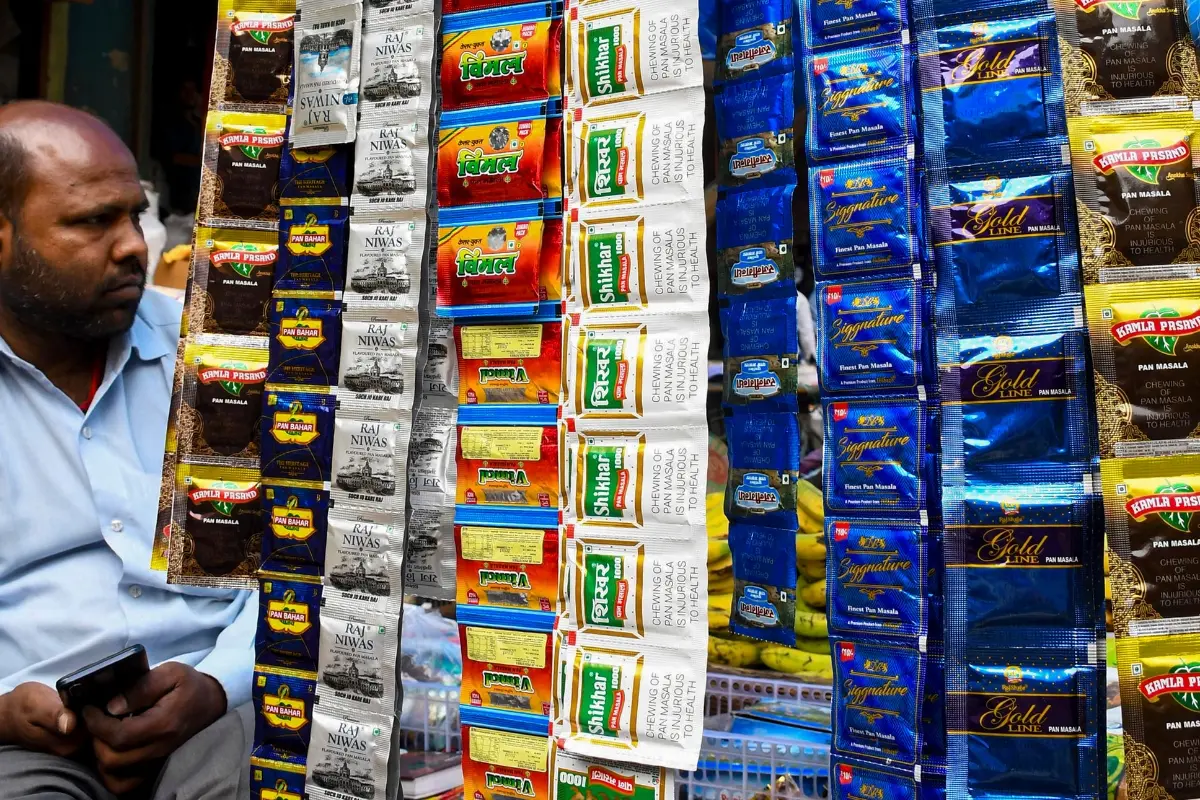
The Food Safety and Standards Authority of India (FSSAI) has introduced new packaging requirements for pan masala, restricting the use of plastic, aluminium foil and metallised layers and allowing specified plastic-free alternatives such as paper, cellulose, tin and glass.
FSSAI has amended the Food Safety and Standards (Packaging) Regulations, 2018, by adding pan masala to Schedule 4, which lists suggestive packaging materials.
The Food Safety and Standards (Packaging) Amendment Regulations, 2026, were published in the Gazette of India on August 10 and came into force from the date of publication.
Under the new provisions, pan masala can be packaged using paper, paperboard, cellulose and other naturally derived materials, provided they are completely free from plastic.
Tin and glass containers have also been specifically permitted.
Which materials are banned?
The new requirements prohibit synthetic plastic materials in the permitted paper-based and naturally derived packaging.
These include:
- Polyethylene
- Polypropylene
- Polyester
- Polyvinyl chloride (PVC)
- Other synthetic polymers and copolymers
- Plastic-based laminates
- Aluminium foil
- Metallised layers
This means a package cannot simply have a paper exterior while containing a plastic or metallised layer inside.
The materials permitted under the new entry must meet the specified plastic-free requirements.
Is pan masala itself banned?
No. The FSSAI amendment is a packaging regulation, not a ban on pan masala as a product.
The change specifies what materials manufacturers can use to package pan masala. It does not prohibit the manufacture or sale of pan masala itself.
What packaging can manufacturers use?
Under the amended regulations, the specified options include:
- Paper and paperboard: These must be completely free from plastic and prohibited synthetic materials.
- Cellulose and naturally derived materials: These can be used provided they meet the prescribed plastic-free requirements.
- Tin: Tin containers are explicitly listed as an alternative.
- Glass: Glass containers are also permitted.
Manufacturers therefore cannot use plastic-lined paper packaging or packaging containing aluminium foil or metallised layers where those materials are prohibited under the new provisions.
Why has FSSAI introduced the change?
The amendment focuses on the material used to package pan masala, particularly the use of plastic-based and multilayer packaging.
Small, single-use sachets and other flexible packaging can contribute to persistent waste. The new requirements seek to move packaging towards materials that do not contain the specified plastics, synthetic polymers, aluminium foil or metallised layers.
The amendment also brings specified provisions of the Plastic Waste Management Rules, 2016, into application for pan masala packaging.
When do the new rules apply?
The final amendment was published in the Official Gazette on August 10, 2026, and came into force from the date of publication.
FSSAI had previously issued a draft amendment on April 28, 2026, inviting objections and suggestions.
The draft was open for public feedback for 60 days. FSSAI said the objections and suggestions received during the consultation process were considered before the final regulations were notified.
What does this mean for manufacturers?
Pan masala manufacturers will have to ensure that their packaging complies with the newly specified material requirements.
For paper, paperboard, cellulose and other naturally derived materials, the packaging must not contain prohibited plastic, synthetic polymers, copolymers or laminates. Aluminium foil and metallised layers are also excluded from these permitted material categories.
Tin and glass provide additional packaging options specifically listed in the amendment.
The changes therefore affect how pan masala is packaged, rather than whether pan masala can be sold.
What is the broader significance?
The amendment marks a specific regulatory move towards plastic-free packaging for pan masala.
It also highlights a broader challenge in regulating products commonly sold in small, disposable packages: changing the packaging material can affect manufacturers, packaging suppliers, retailers and waste-management systems.
For consumers, the immediate visible change could be the gradual replacement of plastic-based pouches and multilayer packaging with compliant paper-based, tin or glass alternatives.
FSSAI has not banned pan masala. It has introduced mandatory packaging requirements that rule out specified plastic-based materials, aluminium foil and metallised layers and permit compliant paper, paperboard, cellulose, naturally derived materials, tin and glass.