From Maharashtra to Bengal; what the voter data says about Rahul Gandhi’s ‘vote theft’ allegations
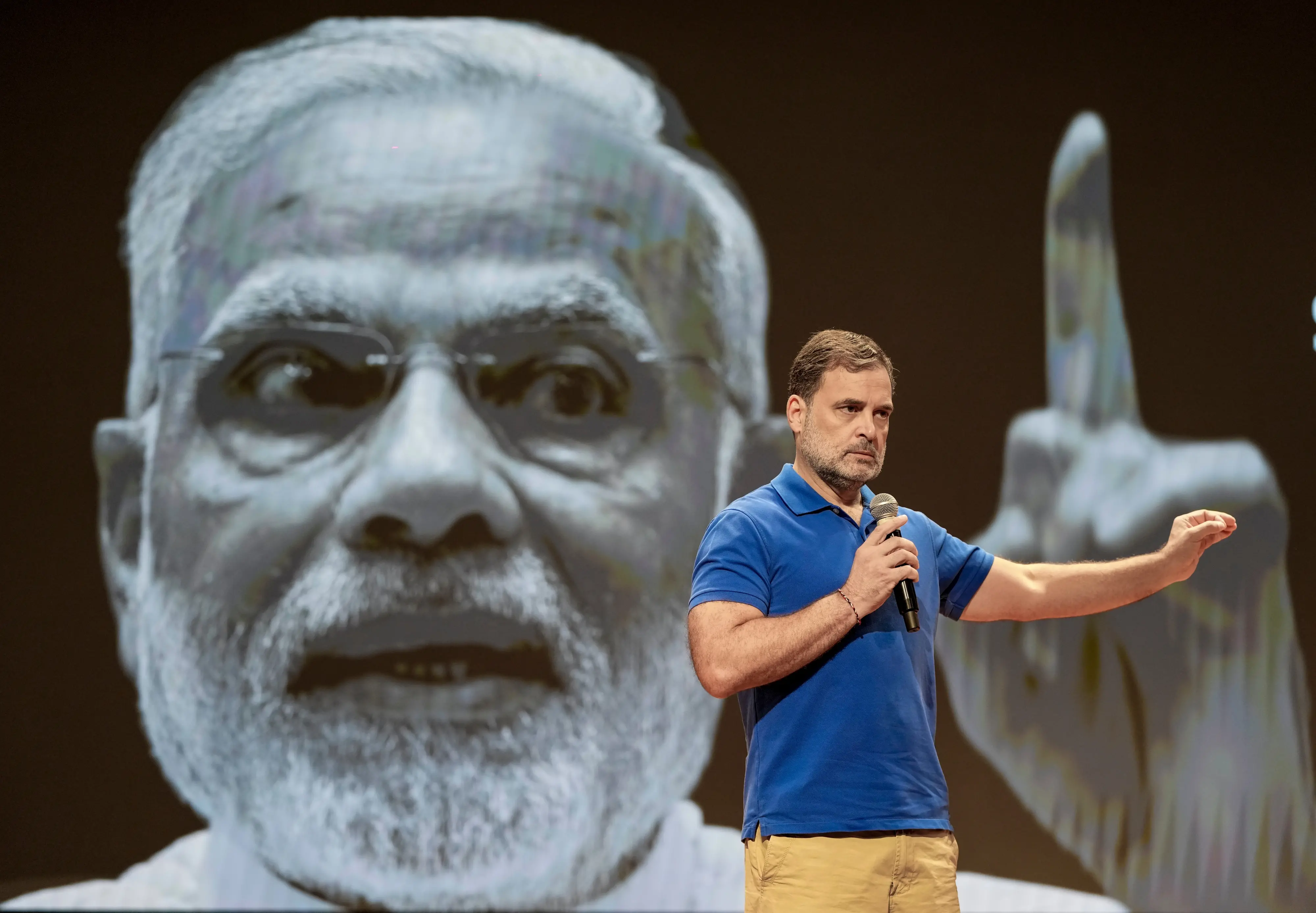
Leader of Opposition Rahul Gandhi has renewed his allegations of “vote theft” against the BJP and the Election Commission of India after Maharashtra’s Special Intensive Revision (SIR) draft electoral roll left more than 2 crore electors out of the list.
Gandhi has questioned the sharp change in Maharashtra’s voter numbers and linked it to earlier voter-list controversies in West Bengal and Maharashtra. However, the latest figures also show that the 2.07 crore figure is not a final deletion count, as the claims and objections process is still underway.
Maharashtra SIR leaves 2.07 crore electors out of draft roll
The latest Maharashtra draft electoral roll, published on August 31, shows that 2,06,88,487 electors were not included after the SIR enumeration exercise.
Maharashtra had 9,78,54,049 electors on the pre-SIR roll. Of these, 7,71,65,562, or 78.86 per cent, were included in the draft roll, while the remaining 21.14 per cent were not included at this stage.
Rahul Gandhi referred to the figure as 2.07 crore voters removed from the draft list and described it as roughly one in every five voters.
However, the Election Commission has stressed that the figure should not be treated as the final number of voters who will be deleted. The draft roll is followed by a claims and objections period during which eligible voters whose names are missing can seek inclusion.
Rahul Gandhi asks which Maharashtra voter list was correct
Gandhi has compared voter numbers from three different stages.
According to the figures cited in his September 1 post:
- 2024 Lok Sabha election: 9.29 crore voters
- 2024 Maharashtra Assembly election: 9.70 crore voters
- 2026 SIR draft: 7.78 crore voters
Gandhi asked, “Which list was correct?”, using the difference to revive his allegation that electoral-roll changes amounted to “vote theft”.
The comparison has become the central political argument around the Maharashtra SIR. However, the numbers relate to different electoral-roll stages, and the 2026 figure is a draft roll, not the final electoral roll.
That distinction is important because names absent from the draft can still be restored through the claims and objections process.
Why were more than 2 crore names not included?
The official data provide several categories that explain why voters did not make it into the draft.
According to data reported from the Maharashtra Chief Electoral Officer, 34.82 lakh electors were identified as deceased, while about 1.54 crore were categorised as permanently shifted, absent or falling under other categories. Another 17.67 lakh electors were identified as being enrolled at multiple locations.
The SIR process is intended to identify such entries and update the electoral roll.
The crucial question is therefore not simply how many names are absent from the draft, but how many eligible voters remain excluded after verification and the completion of the claims and objections process.
The 2.07 crore figure is not the final deletion number
This is one of the most important points in assessing the controversy.
The Election Commission has said the 2.07 crore figure should not be interpreted as the final number of voters to be removed from Maharashtra’s electoral rolls.
The draft stage allows eligible electors to challenge non-inclusion. In Maharashtra, the claims and objections window runs from August 31 to September 30, 2026. The disposal process is scheduled to continue until October 29, with the final electoral roll due to be published on November 4.
This means the current figure can still change substantially before the final roll is published.
Why the Maharashtra controversy has nevertheless raised concerns
The scale of the exclusions has made the revision politically significant even before the final list is prepared.
The draft roll has also triggered complaints about difficulties in accessing and searching voter information online. The Election Commission said the name-search facility was being worked on and was expected to become available shortly.
Pune, Thane and Mumbai Suburban together account for a significant share of the voters not included in the draft, with the three areas accounting for around 40.5 per cent of the omitted names.
For voters, the practical issue is whether people whose names are missing from the draft are able to identify the problem and submit claims before the deadline.
Rahul Gandhi also points to 39 lakh voter additions in 2024
Gandhi's latest allegation does not begin with the 2026 SIR.
He has again referred to the addition of around 39 lakh voters between Maharashtra's 2024 Lok Sabha and Assembly elections, arguing that the increase was evidence of “vote theft”.
The increase in voter numbers between elections, by itself, does not establish manipulation. Electoral rolls can change between elections because of newly eligible voters, registration drives, migration, corrections and other administrative processes.
Gandhi, however, has questioned the scale and timing of the change and continues to argue that the electoral-roll process requires greater scrutiny.
What happened in West Bengal?
Gandhi has also cited the experience of West Bengal's SIR to support his wider argument.
In August, reporting based on data from appeals before SIR tribunals showed that 91 per cent of 82,782 disposed appeals resulted in names being restored. The figure relates specifically to the appeals that had been disposed of at that stage, rather than all names removed during the West Bengal SIR.
This distinction matters.
Gandhi described the figure as evidence that “9 out of every 10 names were wrongly deleted”. But the 91 per cent figure does not mean that 91 per cent of all people excluded from the West Bengal electoral roll were wrongly deleted. It represents the proportion of names restored among the particular set of appeals that had been decided.
That makes the figure relevant to concerns about the appeal process, but insufficient on its own to establish systematic wrongful deletion across the entire state.
Why the West Bengal figure matters
The Bengal experience nevertheless raises an important question about voter-roll revisions.
If a substantial proportion of successful appeals result in names being restored, it demonstrates that the claims and appeals mechanism can identify cases where voters were initially excluded.
At the same time, the number of successful appeals cannot by itself establish that the original revision was politically motivated.
The wider issue is whether every eligible voter has a meaningful opportunity to challenge exclusion and whether the verification process is transparent enough for errors to be identified before an election.
Congress demands booth-wise information in Maharashtra
The Maharashtra Congress has separately demanded that the Chief Electoral Officer publish a booth-wise list of voters who are likely to receive notices during the SIR process.
The party has raised concerns over voters categorised as suspicious, anomalous or unmapped and has warned that large-scale hearings could create difficulties for citizens.
Congress leaders have also referred to earlier classifications involving voters who were described as unlocated or permanently migrated.
These claims require verification against official constituency-level records. The immediate purpose of the party's demand is to obtain greater visibility into which voters are being asked to undergo further verification.
What is SIR and why is it important?
Special Intensive Revision is a more detailed exercise to verify and update electoral rolls.
The process can identify voters who have died, shifted permanently, appear more than once or cannot be traced at the recorded address. It can also provide a mechanism for correcting electoral-roll errors and adding eligible voters.
The challenge is to ensure that cleaning the electoral roll does not result in eligible citizens being left out.
A legitimate voter who is temporarily away from home, has moved within the state or has an address-related discrepancy should have a clear route to establish eligibility and have their name restored.
The key test is the final electoral roll
The current Maharashtra figures are politically striking, but they do not yet provide a final answer to the question of whether eligible voters have been wrongly removed.
The decisive numbers will emerge after the claims and objections process concludes and the final roll is published in November.
If large numbers of eligible voters successfully restore their names, that would indicate that the draft stage had excluded significant numbers requiring correction. If most exclusions are ultimately confirmed after verification, the official explanation for the reduction would gain greater weight.
Either way, the final roll will provide a stronger basis for assessing the scale and nature of the changes than the current draft.
Analysis
Rahul Gandhi's “vote theft” allegation is a political claim and has not been established by the Maharashtra draft figures alone.
The available data do establish that more than 2.06 crore electors from the pre-SIR roll were not included in the draft. They also establish that the Election Commission does not regard this as a final deletion figure and has provided a claims and objections mechanism before the final roll is published.
The Bengal data similarly show that 91 per cent of a particular set of disposed appeals resulted in names being restored, but that does not establish that 91 per cent of all SIR deletions were erroneous.
Therefore, the strongest factual conclusion at this stage is that the SIR process has produced unusually large changes in draft voter rolls that warrant close scrutiny, but the current data do not by themselves prove systematic voter manipulation.
The most important safeguards now are transparency in the reasons for non-inclusion, easy access to voter records, timely notices, a functioning claims and objections system and publication of the final electoral roll.
For the political parties, the dispute will remain a major issue because voter-roll changes can directly affect electoral participation. For voters, however, the immediate priority is simpler: checking whether their names appear in the draft and using the correction and claims process before the September 30 deadline if they are missing.
The final electoral roll, rather than the preliminary draft, will ultimately provide the clearest basis for judging the scale of genuine deletions, restored names and any remaining discrepancies.