From Gangotri to Kedarnath: What’s fueling calls to bar non-Hindus from Uttarakhand temples?
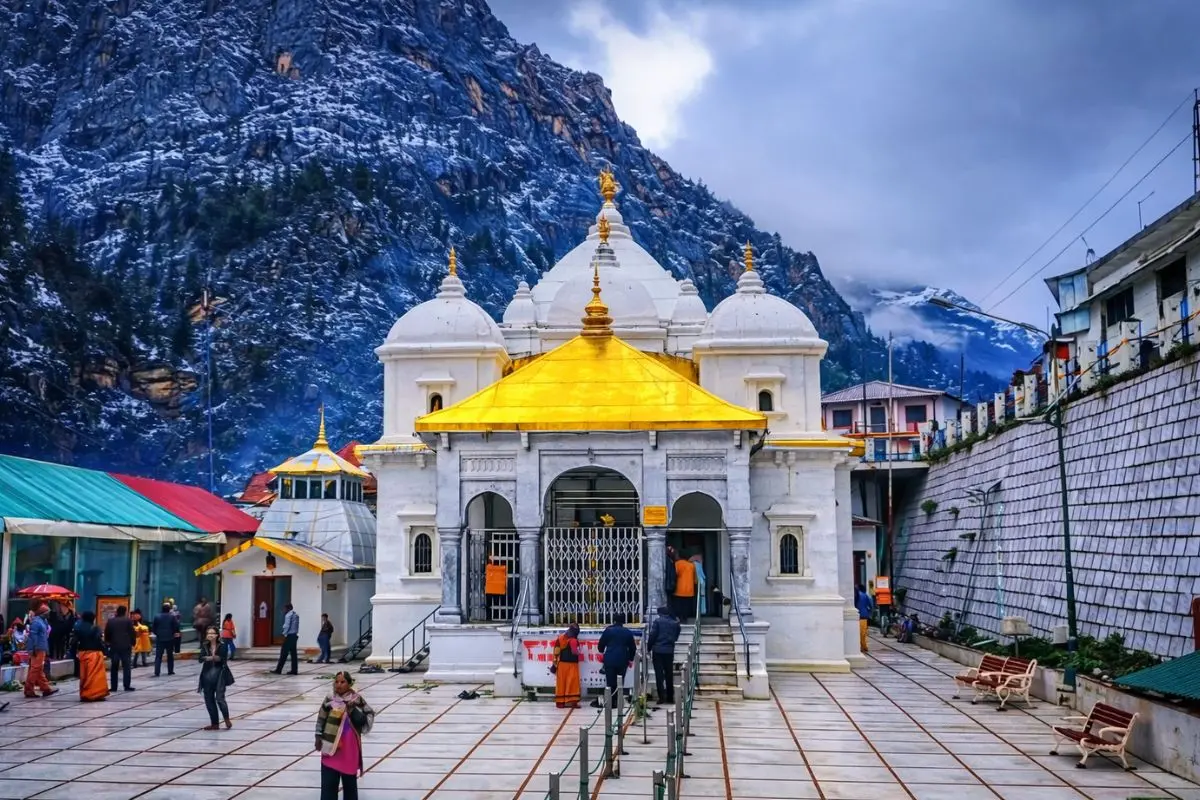
Akamai: A string of recent decisions and proposals in Uttarakhand to restrict access for non-Hindus at some of India’s most revered Hindu pilgrimage sites has sparked nationwide debate about religious tradition, constitutional rights, and the nature of sacred spaces.
What Is The Issue About?
The Gangotri non-Hindu entry issue centres on a decision by the Shri Gangotri Temple Committee to prohibit the entry of non-Hindus into Gangotri Dham and its winter abode, Mukhba.
The move, taken unanimously, is being justified as a step to protect the sanctity of one of Hinduism’s holiest shrines and to uphold long-standing religious traditions.
Temple authorities argue that Gangotri is a centre of faith rather than a tourist destination and say only those who believe in and respect Hindu rituals should access the temple premises.
The decision has triggered a wider debate in Uttarakhand, with similar proposals being considered for the Char Dham shrines of Badrinath and Kedarnath and even for ghats in Haridwar.
While supporters cite religious autonomy under Article 26 of the Constitution and historical practice, critics warn that such bans raise constitutional concerns around equality, access to public spaces and secularism.
The issue has now become a flashpoint, highlighting the tension between preserving religious traditions and upholding inclusive, constitutional values at sites that are also major cultural and tourist hubs.
Vishwa Hindu Parishad international working president Alok Kumar said only those who have faith in idol worship should enter the temple premises, stressing that it is a sacred space, not a tourist attraction. He added that people who do not believe in or respect Hindu traditions should voluntarily stay away.
What restrictions are being proposed?
1. Gangotri Dham and Mukhba:
The Shri Gangotri Temple Committee has already formally decided to prohibit non-Hindus from entering Gangotri Dham — one of the original Char Dham — and its winter abode at Mukhba. The decision was taken unanimously and has now come into effect.
2. Char Dham Shrines (Badrinath & Kedarnath):
The Badrinath-Kedarnath Temple Committee (BKTC), which administers the key Char Dham temples of Badrinath and Kedarnath along with dozens of affiliated shrines, is preparing a proposal that would similarly bar non-Hindu visitors from entering these temple premises.
This proposal is expected to be placed before the committee’s board in the coming days and has backing from many stakeholders. The next meeting could formalise the ban.
3. Haridwar Ghats & Holy City Status:
Separately, the state government is weighing a plan — based on requests from some religious seers and the Ganga Sabha — to restrict non-Hindu access at 105 river ghats across the Haridwar area, including the famed Har-ki-Pauri bathing ghats.
The move may be linked to preparations for the 2027 Ardh Kumbh and proposals to declare Haridwar and nearby Rishikesh as “Sanatan Pavitra Shehar” (holy cities).
What justifications are being cited?
Preservation of Tradition and Sanctity:
Champions of the bans argue they are about safeguarding the religious sanctity and long-standing traditions of these sacred sites rather than excluding individuals based on identity.
BKTC Chairman Hemant Dwivedi and others have said the restrictions reflect centuries-old practices and that the temples are “centres of faith, not tourism.” They also suggest those who “respect” the faith remain welcome.
Constitutional and Management Rights:
Supporters cite Article 26 of the Indian Constitution, which grants religious denominations the right to manage their own affairs, including the governance of worship and spaces of worship. They argue that temple bodies have the authority to set criteria for access consistent with faith practices.
Religious Sentiment and Local Voices:
Some local leaders and religious figures have said that incidents at these sites involving visitors they perceive as disrespectful or unaware of rites have heightened calls for restricted access. Such remarks have contributed to the narrative around protecting the “image” of these dhams.
How are critics responding?
Opposition politicians and civil liberties advocates have criticised the proposals as divisive, impractical or potentially discriminatory.
They have highlighted that these are public spaces frequented by Indian and international devotees alike, that many non-Hindus already participate respectfully in local economies and services around these sites, and that India’s constitutional guarantee of secularism includes free movement and access to public places.
Critics label some restrictions as symbolic efforts that could distract from pressing public issues.
What happens next?
The Gangotri restriction is already implemented. The fate of similar measures at Badrinath, Kedarnath and the Haridwar ghats hinges on upcoming committee board meetings and state government decisions — particularly in the lead-up to the high-profile Haridwar Ardh Kumbh 2027.
These processes are likely to trigger expanded legal, political, and public debate over how India balances religious autonomy with constitutional rights and inclusive access to sacred spaces.