Fresh twist in rebel Trinamool camp as ‘Bahujan NCPI’ post fuels new party speculation
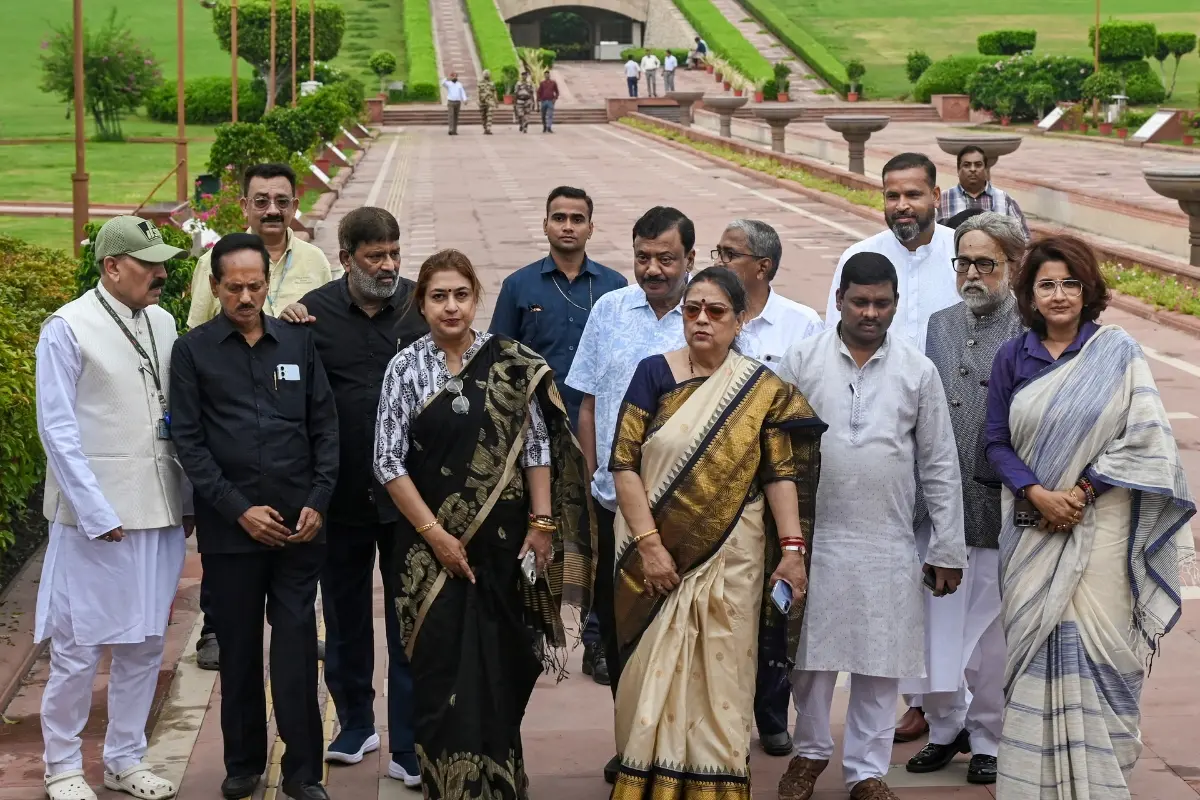
Kolkata: A social media post by Baidyanath Ghosh Dastidar, son of rebel Trinamool Congress MP Kakali Ghosh Dastidar, has triggered speculation over a possible new political formation called ‘Bahujan NCPI’, even as the Nationalist Citizen's Party of India (NCPI) is yet to secure recognition in Parliament.
The post invited Dalits, Muslims, tribal communities and OBCs to join ‘Bahujan NCPI’.
It also claimed that 25% representation in organisational posts would be reserved for Dalits, extremely backward classes, Mahadalits, Matua and Namasudra communities.
The development has raised questions about whether a new political outfit is being planned under Kakali Ghosh Dastidar's leadership, particularly after 20 rebel Trinamool MPs broke away from the party following its defeat in the West Bengal Assembly elections and joined NCPI.
However, Kakali's son has rejected speculation that ‘Bahujan NCPI’ is a separate political party.
He described it as a wing, branch or trust focused on social welfare initiatives for marginalised communities.
The proposed activities include providing computers and undertaking other welfare programmes.
Kakali Ghosh Dastidar also denied any suggestion of a split within NCPI. Responding to the post, she said, ‘This was posted by our social media cell.
The 20 MPs worked together in the last session and will continue to do so in the future.’
She added that the Nationalist Citizen's Party of India would work with socially disadvantaged groups, Dalits, women and economically weaker sections.
The controversy comes at a time when NCPI itself has not received recognition in Parliament.
The 20 MPs who joined the party were elected on Trinamool Congress tickets, and their names continue to be listed as Trinamool Congress members in Parliament.
With ‘Bahujan NCPI’ now featuring in public political messaging, questions remain over whether the initiative is merely a social welfare wing or could eventually evolve into a separate political platform.
If NCPI itself has not secured parliamentary recognition, the question of how a separate entity under the ‘Bahujan NCPI’ name could seek recognition is also likely to draw attention.