Federation of Indian Pilots demands judicial probe into Air India crash investigation
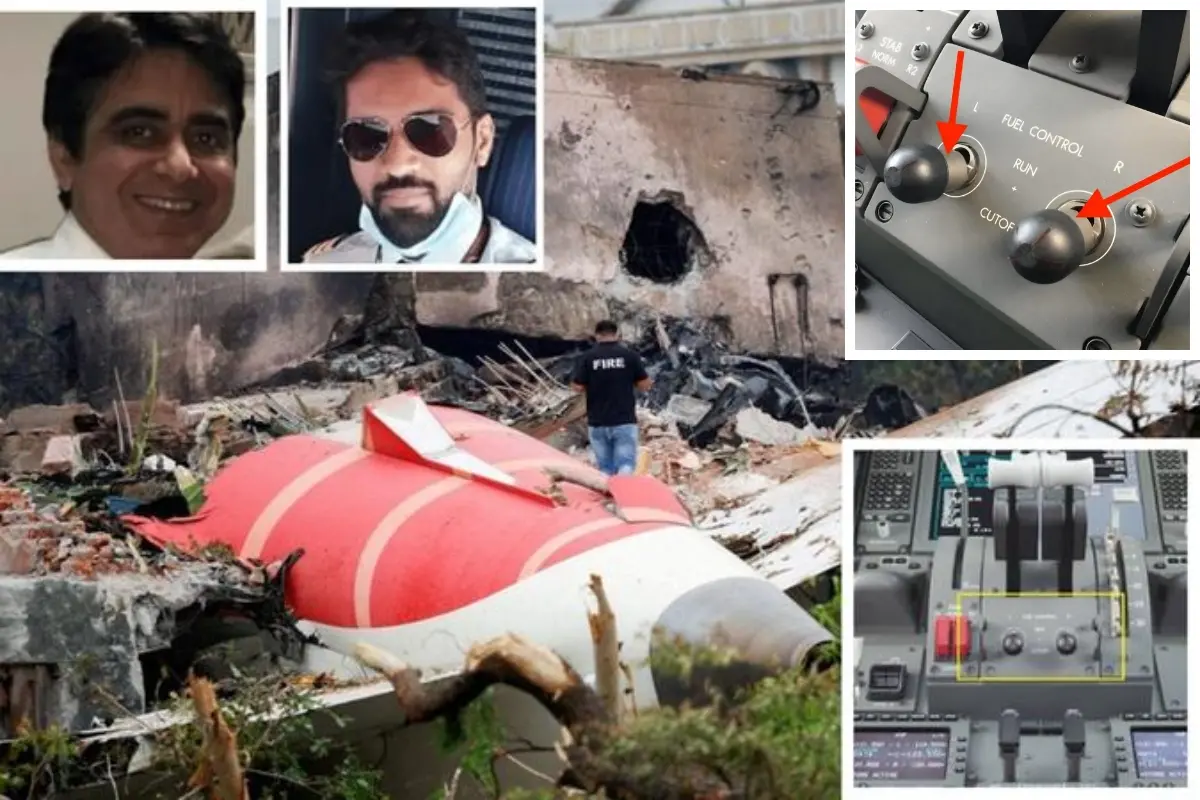
The Federation of Indian Pilots (FIP) has strongly criticised the ongoing probe into the June 12 Air India Dreamliner crash, calling it “compromised” and demanding that it be stopped immediately. The organisation, which represents around 5,500 pilots, has urged the Ministry of Civil Aviation to set up a judicial inquiry under Rule 12 of the Aircraft (Investigation of Accidents and Incidents) Rules, 2017, arguing that only a court-led process can ensure fairness and transparency.
In a letter dated September 22 to Civil Aviation Minister K. Rammohan Naidu, the pilots’ body expressed outrage over the leak of cockpit voice recorder (CVR) details to the media, which they said has led to “character assassination” of the pilots. The FIP said such leaks fuel public speculation, damage pilot morale, and cast doubt on the credibility of the Aircraft Accident Investigation Bureau (AAIB).
The grouping also objected to AAIB officials visiting the residence of Captain Sumeet Sabharwal’s bereaved father on August 30. The late Captain Sabharwal was one of the two pilots flying the ill-fated Boeing 787-8 aircraft. According to the FIP, officials made speculative comments suggesting that the pilot may have cut off the fuel control switches, remarks which they said were both inappropriate and insensitive.
The pilots’ letter warned that “the conduct of the AAIB has moved beyond procedural irregularity into the realm of manifest bias and unlawful action.” They further argued that a “flawed domestic probe compromises India’s standing in the global aviation community.”
The FIP explained that unlike the AAIB’s administrative process, a judicial inquiry has the power to compel testimony under oath, summon witnesses, and demand all relevant documents even from international manufacturers like Boeing and General Electric. This, they said, is the only way to uncover the true causes of the crash rather than defaulting to the “convenient” explanation of pilot error.
The federation added: “A compromised, biased investigation that defaults to a simplistic ‘pilot error’ narrative is the greatest threat to aviation safety. It ensures that systemic dangers in design, maintenance, or oversight remain hidden until another tragedy occurs.”
On June 12, Air India’s Boeing 787-8 Dreamliner operating as flight AI171 from Ahmedabad to London Gatwick crashed shortly after take-off, killing 260 people on board, including 241 passengers.
The AAIB’s preliminary findings, released on July 12, suggested that the fuel supply to both engines was cut off within one second of each other. According to the CVR, one pilot asked the other, “Why did you cut off?” to which the other replied, “I did not do so.” The cause of this sudden fuel cutoff remains under investigation.
The FIP maintains that the AAIB’s handling of the case from leaks to biased remarks has led to a “complete breakdown of trust.” They argue that continuing with the current process will not only undermine safety lessons but also weaken India’s global aviation credibility.
Calling the tragedy a “national catastrophe,” the pilots’ body said the scale of loss, coupled with procedural failures, makes a judicial probe an urgent necessity.