‘Every vaccinated child is one less cancer case’ - Oncologists urge HPV screening
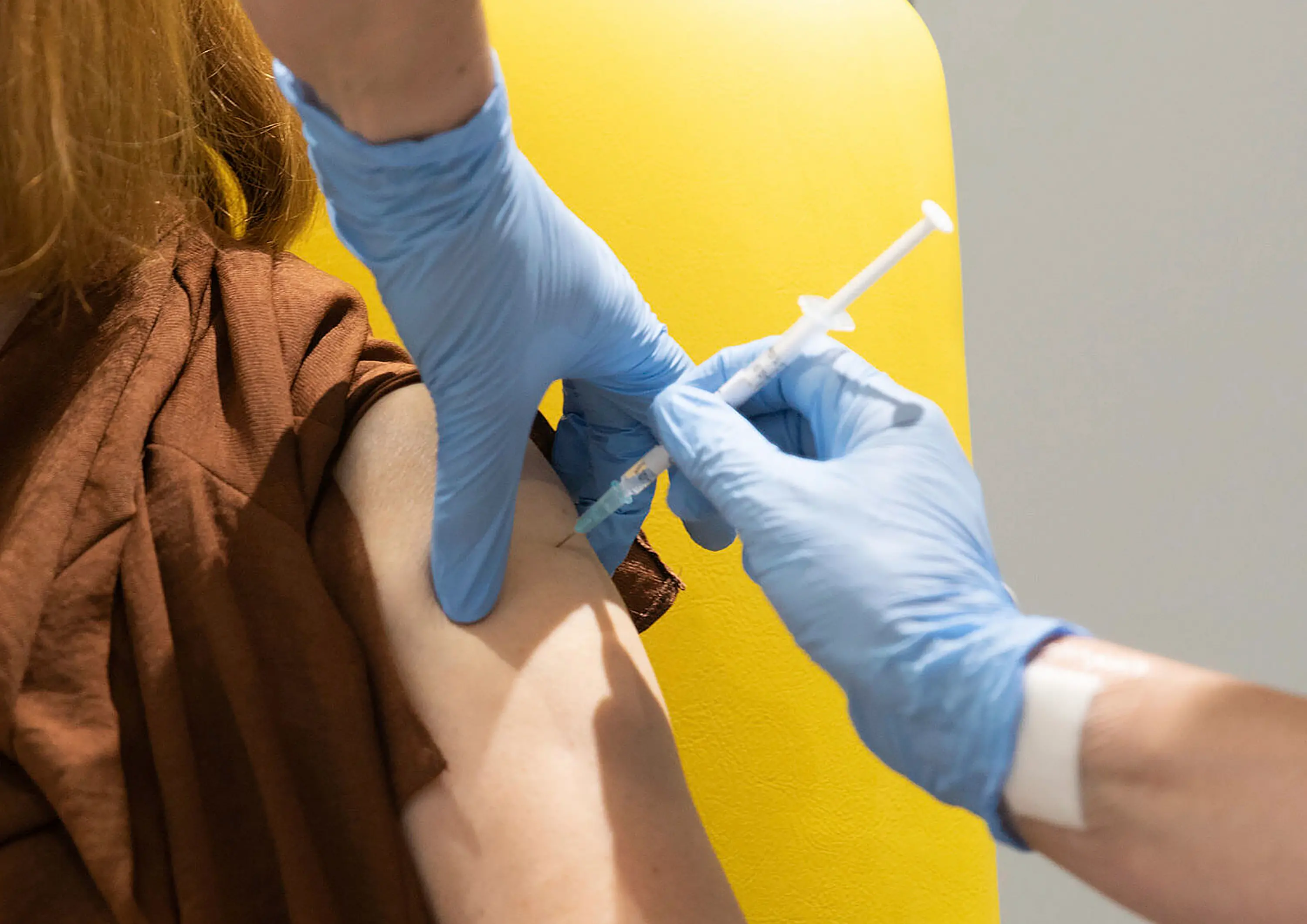
New Delhi: A concerning trend of rising Human Papillomavirus (HPV)-related cancers in young Indians, particularly those in their twenties and thirties, has prompted oncologists across the country to call for immediate and decisive preventative measures. Experts warn that India is on the cusp of a preventable cancer crisis if comprehensive strategies are not swiftly implemented.
The alarm comes as increasing cases of cervical, oral, and oropharyngeal cancers are being directly linked to HPV infection. Dr. Ashish Gupta, Chief of Medical Oncology at Amerix Cancer Hospital, New Delhi, expressed grave concern: "HPV-related cancers are striking far earlier than we used to see. Patients in their twenties are coming in with cervical, oral, and throat cancers — many of which could have been avoided entirely with timely vaccination and proper awareness." He added, "What's most heartbreaking is that HPV is preventable, yet many families and individuals are not even aware of the risk."
Unlike many other cancers that progress over decades, HPV-related cancers in younger individuals often advance silently and rapidly. This underscores the critical need for prevention through vaccination and early screening, which oncologists believe should be treated with the same urgency as any national health emergency. Dr. Gupta advocates for "a focused, stigma-free, countrywide campaign that reaches schools, colleges, and parents."
HPV, a common sexually transmitted infection, is typically cleared by the body. However, persistent high-risk strains can lead to cancer, being the leading cause of cervical cancer in women and increasingly linked to oral, anal, and throat cancers in both men and women.
A significant hurdle in India is the pervasive lack of awareness and the social stigma surrounding HPV, which leads to dismal vaccination rates and inadequate screening coverage. Dr Shubham Garg, Senior Oncologist at Dharamshila Narayana Superspeciality Hospital, highlighted the insidious nature of these cancers: "HPV-related cancers don't give you many symptoms early on. That's why routine screening is so vital... Without education, vaccination, and routine checkups, we're allowing preventable cancers to spread unchecked."
Currently, India lacks a national HPV vaccination program for adolescents, despite the vaccines being approved and available privately. Global studies have consistently demonstrated that vaccinating both boys and girls before sexual activity significantly curtails HPV transmission and related cancer rates. Experts advocate for universal HPV immunization for preteens, complemented by catch-up vaccinations for older teens and young adults, as the most effective path forward.
Beyond vaccination, widespread screening is paramount. Dr Gupta emphasized that screening must become as routine as any other health check, accessible in every district hospital and primary health centre. He urged policy changes to include these services under national insurance schemes, ensuring cost is not a barrier. "We are talking about a cancer that we can, in many cases, prevent before it even begins. That's a rare opportunity in oncology and one we must not waste," he stated.
Dr Rahul Bhargava, Senior Oncologist at Fortis Memorial Research Institute, Gurugram, concluded with a stark reminder: "Every vaccinated child is one less cancer case in our future. Every screening that catches early-stage HPV impact is a life redirected toward health and hope. Let's not wait until it's too late. Prevention, in this case, is not just better than cure—it's the only rational path forward."
With inputs from PTI