Elon Musk loses cool over Starlink India delay, accuses ‘oligarchs’ of blocking launch
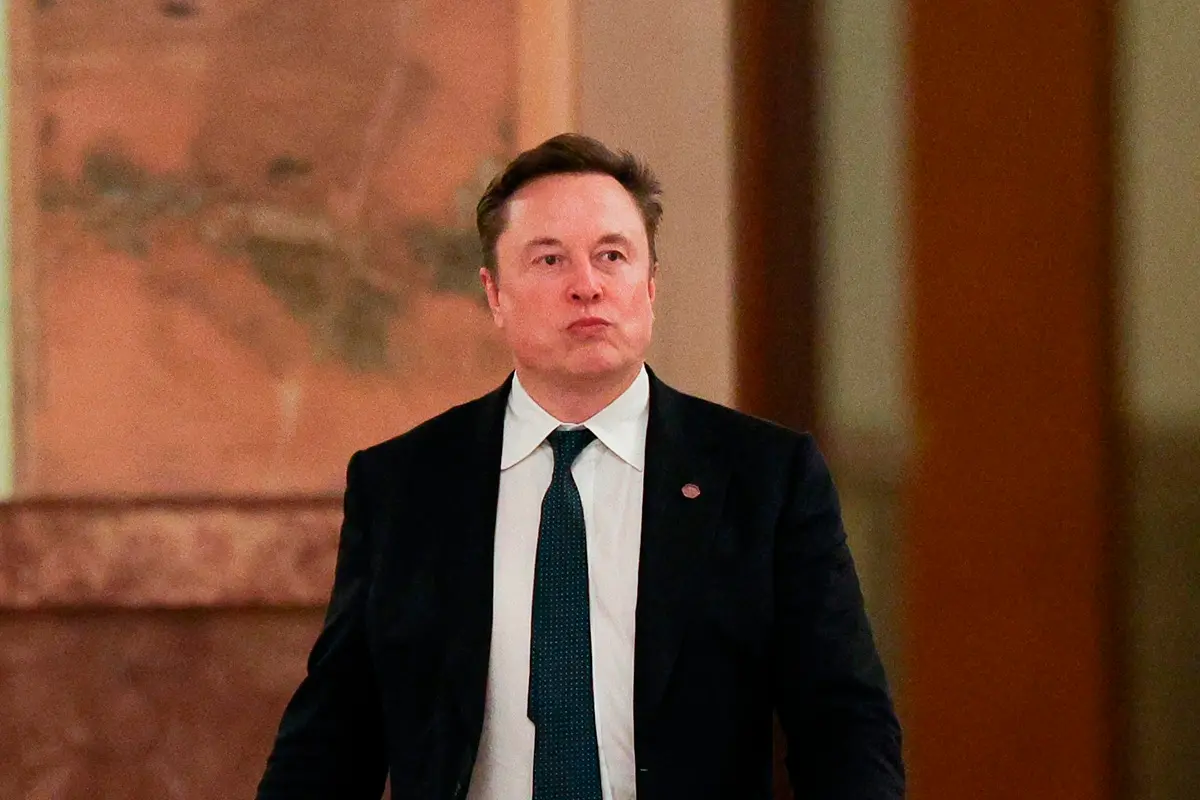
Tech billionaire Elon Musk has accused unnamed business groups of blocking Starlink’s commercial launch in India, claiming they want to protect their monopoly over the country’s internet market.
In a cryptic post on X on Wednesday, the SpaceX founder said: "Unfortunately, we are being blocked by certain oligarchs in order to maintain their monopolistic chokehold on the Indian people. You can guess who they are … This is a crime against the people of India!"
The SpaceX founder made the statement on social media platform X while replying to a post about expanding high-speed internet to underserved rural areas. Musk claims unnamed domestic business powers are deliberately stalling Starlink's commercial rollout. The company has tried entering the Indian market since 2021, previously refunding pre-booking fees during past regulatory delays.
Infrastructure ready but final approvals pending
Starlink maintains its local ground infrastructure is fully operational. Speaking at the India Mobile Congress, Lauren Dreyer, vice-president of Starlink Business Operations, confirmed 20 gateway sites with hundreds of antennas are installed across India. She stressed that all Indian user data will stay within the country to satisfy strict national security rules.
Although Starlink secured its satcom licence in June 2025, commercial activation requires administrative spectrum allocation and security sign-offs. India's space regulator previously approved Starlink's initial 4,408-satellite network, whilst an application for nearly 30,000 satellites offering direct-to-device mobile connectivity remains under review. Test prices briefly appeared on Starlink's website in December 2025 but were dismissed as a technical glitch.
Market competition and regulatory framework
The confrontation comes amidst growing competition in India's satellite broadband sector. State-licenced rivals include Reliance Jio's satellite arm and Eutelsat OneWeb. Surprisingly, both Jio and Bharti Airtel signed deals in 2025 to sell Starlink equipment to local consumers.
Meanwhile, government authorities have framed rules to allocate spectrum administratively at five per cent of adjusted gross revenue. A final clearance note is currently awaiting Cabinet approval. Until spectrum is formally assigned, Starlink cannot switch on its Indian services.