A life with nature and people: Key reflections from Dr Madhav Gadgil’s celebrated memoir
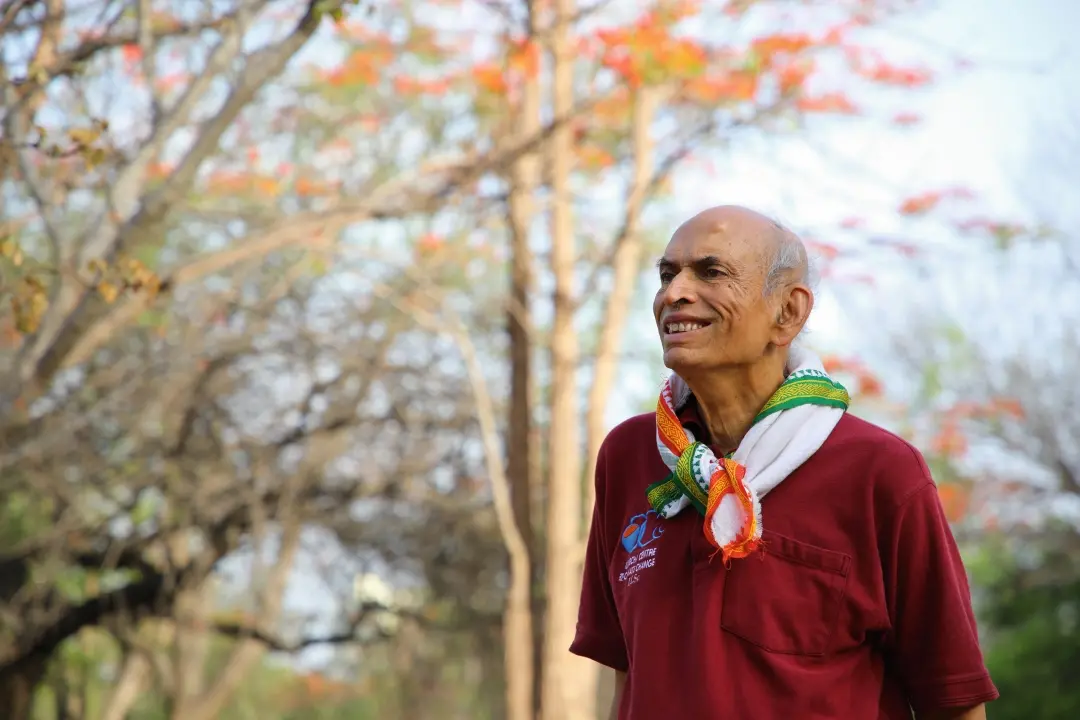
Dr Madhav Gadgil, one of the world’s foremost ecologists and the architect of several landmark ecological interventions in India, has passed away at the age of 83. His intellectual courage, ethical clarity, and deep emotional bond with nature shaped the environmental discourse of modern India and left an indelible mark on global ecological thought.
A life rooted in knowledge, questioning and compassion
Born in 1942 in Pune, into a celebrated intellectual family, Madhav Gadgil grew up surrounded by ideas, literature, and fearless inquiry. His father, economist Dr DR. Gadgil, and mother, Pramila Gadgil, brought up in him a disciplined mind and a compassionate worldview.
From a young age, he found refuge and revelation in the natural world. Reflecting on his formative years, he wrote:
“I have been interested in bird watching since childhood. I have been following forest trails since then. The years have passed like lightning. When I look back, memories are a mixture of happiness and sadness.”
He grew up observing wildlife books in his father’s library and absorbing the company of towering figures such as Salim Ali and Irawati Karve, who sharpened his scientific gaze and cultural sensibility. His childhood encounters with the hills and forests left a lifelong imprint. He wrote movingly:
“The seed of love for the Western Ghats sprouted in my mind from there. The mountains, rivers, birds, and forests became part of my inner world.”
The memoir is a window into his soul and struggles
His memoir, ' A Walk Up The Hill: Living with People and Nature', published in Malayalam under the title 'Pashchimaghattam Oru Pranayakatha' by Mathrubhumi with translation by Vinod Payyada, is not merely a life story; it is a record of conscience, conflict, and profound human responsibility.
He candidly reflects on his intellectual grounding:
“I do not believe in any organised religion. But I am deeply interested in the multifaceted expressions of culture.”
His ethics as a scientist were unwavering: “I have never accepted anything that has been documented without testing it myself. I have never worried about the reaction of those in power. Truth must stand on evidence, not fear.”
His philosophical clarity was steeped in Indian traditions of rational reflection. Drawing from Buddhism, he observed: “The Buddha said he gained enlightenment not from divine revelation but from experience of the world. That is the spirit of science, a commitment to objective reality.”
Courage in environmental governance
From Silent Valley to Western Ghats, from Goa to Mizoram, Gadgil's career was a relentless engagement with ecological truths. His leadership of the Western Ghats Ecology Expert Panel (WGEEP) remains one of the most debated yet visionary environmental interventions in independent India.
He wrote about political hostility and vested interests candidly:
“All development projects actually strengthened modern industries, bureaucracy, professionals and rich farmers. Those who truly depended on nature were the ones most ignored.”
He believed environmental governance must empower people, not alienate them:
“Nature is not the property of governments or corporations. It belongs equally to villagers, tribes, fisherfolk, and every living being that depends on it.”
Ethics, empathy and universal responsibility
For Gadgil, ecology was not only a science, but it was a moral calling. His writing resonates with timeless ethical depth:
- “Humanity needs to develop a higher sense of universal responsibility. Without it, neither peace nor justice is possible.”
- He believed that compassion must guide development:
- “The future of the world depends on whether we learn to live with nature, not against it.”
- He remains deeply human in his reflections, honest about joy, grief, struggle and fulfilment:
- “There were moments of triumph and moments of bitter defeat. Yet the journey with forests, rivers and people has been the greatest blessing of my life.”
Final reflections and an enduring bond with nature
Towards the later parts of his writing, Gadgil looks back not with regret, but with serene gratitude:
“When I walk through the forests of the Western Ghats, I feel I am returning home. Nature has been my teacher, my companion, my conscience.”
He closes many of his reflections with humility:
“If anything I have done has helped conserve a leaf, a bird, a stream, or a human life dependent on them, I consider my life worthwhile.”
A life that will continue to inspire
From a curious child wandering forest paths to a global voice of environmental ethics, Dr Madhav Gadgil leaves behind not merely research or reports, but a living moral legacy. His autobiography now stands as a lasting document of thought, courage, and love, ensuring that generations who read him will hear not only the scientist, but the human being who believed passionately that:
“Nature and humanity must coexist, for neither survives without the other.”