Delhi-NCR transport strike begins today: Which services are shut and what still runs
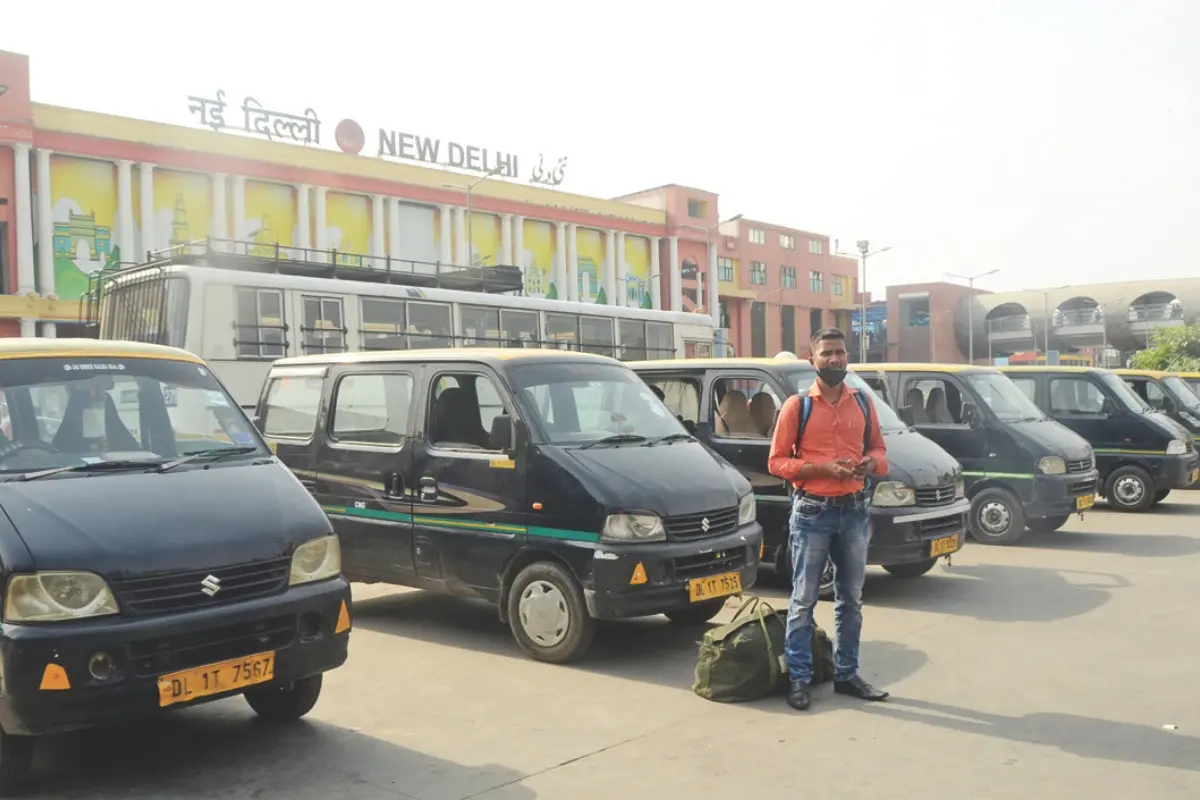
New Delhi: A three-day strike by commercial vehicle drivers has begun across Delhi-NCR from May 21 to May 23, potentially disrupting auto-rickshaws, taxis and parts of app-based cab services.
The protest has been called by multiple transport unions demanding higher fares, policy changes, and relief from rising operational costs.
Why drivers have gone on strike
The strike has been organised by several transport associations, including the All India Motor Transport Congress (AIMTC) and other regional unions representing taxi, auto and commercial vehicle operators.
Drivers say rising fuel prices, including petrol, diesel and CNG, have significantly reduced their earnings, making it difficult to manage household expenses. They argue that fares in Delhi-NCR have remained unchanged for nearly 15 years despite continuous inflation.
Union representatives also claim that drivers are facing increasing costs related to vehicle maintenance, insurance, permits, and fitness certifications, further squeezing their income.
The striking unions are demanding an immediate revision of taxi and auto fares in line with current fuel prices and inflation. They have also urged the government to hold formal discussions on long-standing pricing issues in the sector.
In addition to fare revision, the unions have raised concerns over policy decisions affecting commercial vehicles, including recent regulatory changes linked to environmental rules and entry restrictions for certain categories of transport vehicles in Delhi.
Allegations against app-based cab companies
The unions have also accused major app-based taxi platforms such as Ola, Uber and Rapido of unfair pricing practices and driver exploitation. They claim that the current commission structures and fare models are making it harder for drivers to earn sustainable incomes.
Drivers say the rapid expansion of app-based services has further intensified competition, reducing their overall earnings despite higher demand for transport services.
Scale of the strike and expected impact
According to union estimates, more than 68 transport associations are participating in the strike, with reports suggesting support from over four lakh taxi owners. This has raised concerns about widespread disruption to daily commuting across the National Capital Region.
However, not all groups have joined the protest. Some auto-rickshaw unions have distanced themselves from the strike, stating that regular auto services will continue in certain areas, including near railway stations and bus terminals.
Still, commuters in Delhi, Noida, Gurugram and nearby regions are likely to face limited availability of taxis and app-based cab services during peak hours.
Government talks and escalation warning
Transport unions have urged the Delhi government to begin immediate discussions on their demands, warning that the agitation could escalate if fare revisions are not addressed soon.
Some union leaders have indicated that if no action is taken within the next few weeks, the protest could be expanded into a larger movement involving more transport sectors.
A demonstration is also planned at the Delhi Secretariat on May 23 as part of the ongoing strike action.
While essential transport services may continue in some pockets, the overall availability of autos and taxis across Delhi-NCR is expected to remain inconsistent over the three-day strike period. Commuters have been advised to plan travel accordingly and consider alternative transport options where possible.